
Search
News & Events
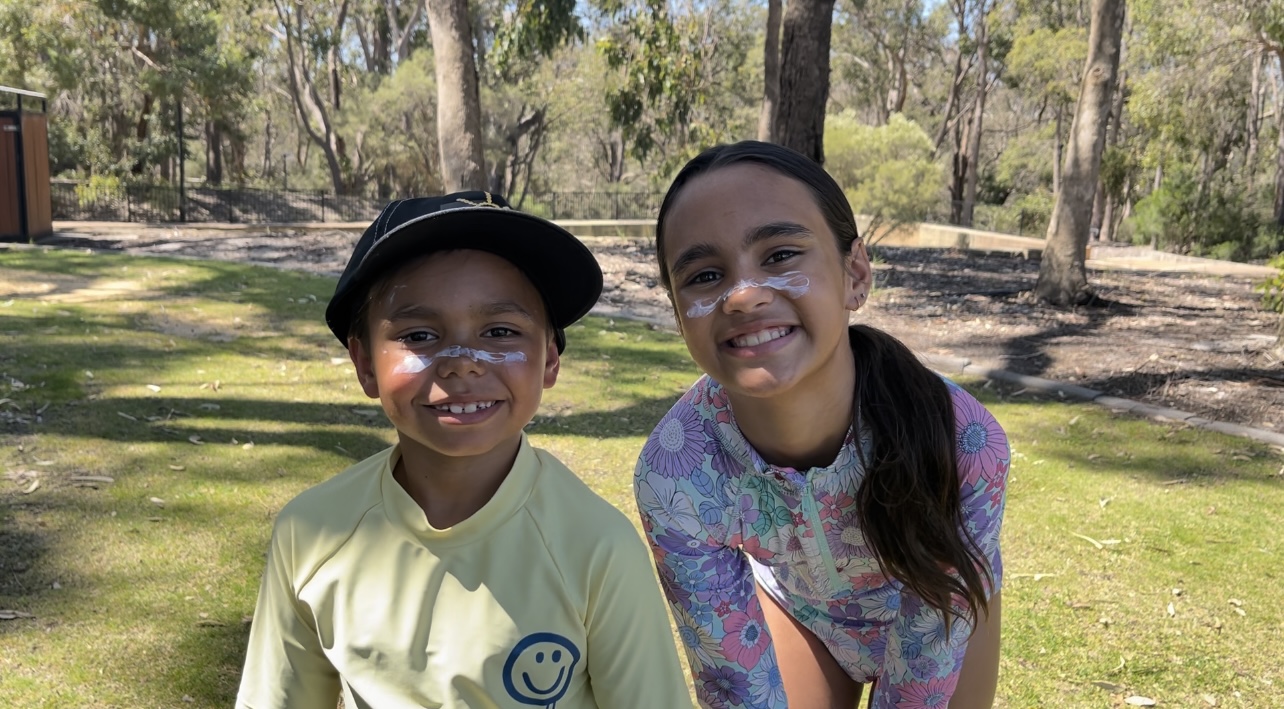
Major funding aims to improve skin cancer outcomes for young Aboriginal peopleVital research promoting sun smart choices and skin cancer prevention for young Aboriginal people is now underway at The Kids Research Institute Australia thanks to a $100,000 Perpetual 2024 IMPACT Philanthropy grant.
Research
Cultures of HRV-C for investigations of pathogenesis in childrenAnthony Belinda Ingrid Kicic Hales Laing BSc (Hons) PhD BSc (Hons) PhD BSc PhD Rothwell Family Fellow; Head, Airway Epithelial Research Senior
Hear how one bold idea became a world-leading institute for kids’ health.
Research
Moorditj Marp (Strong Skin) Evaluation and development of culturally relevant healthy skin storybooksCo-designed and in collaboration with community members, the impacts of this project will directly benefit families by building awareness, empowering decision-making, and improving confidence around the recognition and management of skin conditions for Aboriginal children.
Research
Early nasal microbiota and subsequent respiratory tract infections in infants with cystic fibrosisRespiratory tract infections (RTIs) drive lung function decline in children with cystic fibrosis (CF). While the respiratory microbiota is clearly associated with RTI pathogenesis in infants without CF, data on infants with CF is scarce. We compared nasal microbiota development between infants with CF and controls and assessed associations between early-life nasal microbiota, RTIs, and antibiotic treatment in infants with CF.
Research
Biomarkers of vaccine safety and efficacy in vulnerable populations: Lessons from the fourth international precision vaccines conferenceVaccination has been a cornerstone of public health, substantially reducing the global burden of infectious diseases, notably evident during the COVID-19 pandemic caused by SARS-CoV-2.
Research
Protective factors, risk factors, and intervention strategies in the prevention and reduction of crime among adolescents and young adults aged 12–24 years: A scoping review protocolEvidence indicates that criminal behaviour in youth is linked with a range of negative physical, mental, and social health consequences. Despite a global decrease over the last 30 years, youth crime remains prevalent.
Research
Improving the detection of congenital syphilis: reviewing test utility and adherence to recommendationsWestern Australia (WA) has experienced a resurgence of congenital syphilis. Appropriate microbiology testing of the neonate is recommended to confirm infection, including syphilis immunoglobulin M (IgM), rapid plasma reagin (RPR) paired with a maternal sample, and polymerase chain reaction (PCR) on placenta and nasal swabs.
Research
The state-of-the-art of N-of-1 therapies and the IRDiRC N-of-1 development roadmapIn recent years, a small number of people with rare diseases caused by unique genetic variants have been treated with therapies developed specifically for them. This pioneering field of genetic N-of-1 therapies is evolving rapidly, giving hope for the individualized treatment of people living with very rare diseases.