
Search
Showing results for "Professor"

News & Events
Research support for ‘Family Insites’ app to help keep your family safe onlineWangle Technologies, with the support of The Kids, has today launched Wangle Family Insites, a unique new app to help parents keep their family safe online
News & Events
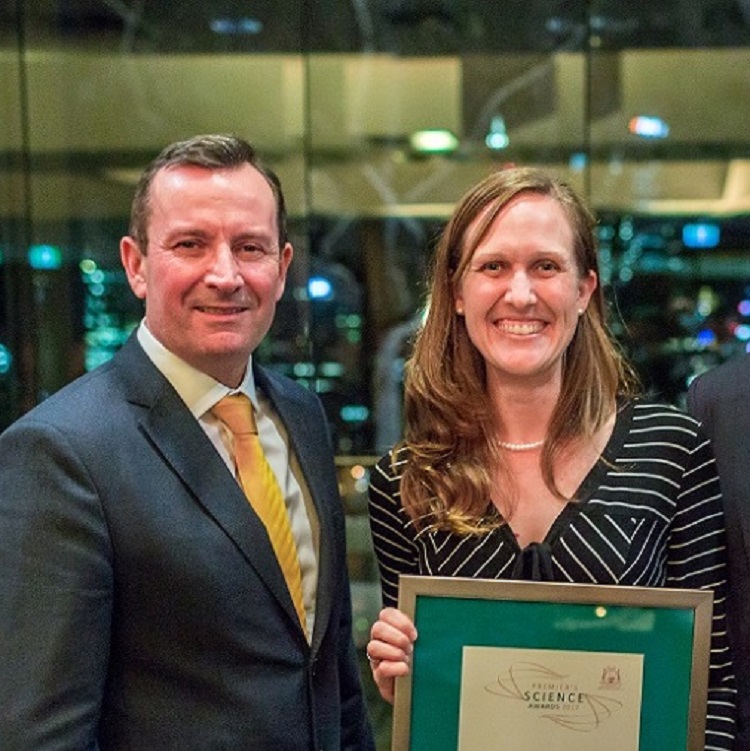
The Kids Research Institute Australia researcher wins Premier’s Science AwardInfectious diseases researcher, Dr Asha Bowen, has won the Early Career Scientist of the Year Premier's Science Award for 2017.
Research
The application of environmental health assessment strategies to detect Streptococcus pyogenes in Kimberley school classroomsChildren spend almost one-third of their waking hours at school. Streptococcus pyogenes (Strep A) is a common childhood bacterial infection that can progress to causing serious disease. We aimed to detect Strep A in classrooms by using environmental settle plates and swabbing of high-touch surfaces in two remote schools in the Kimberley, Western Australia.
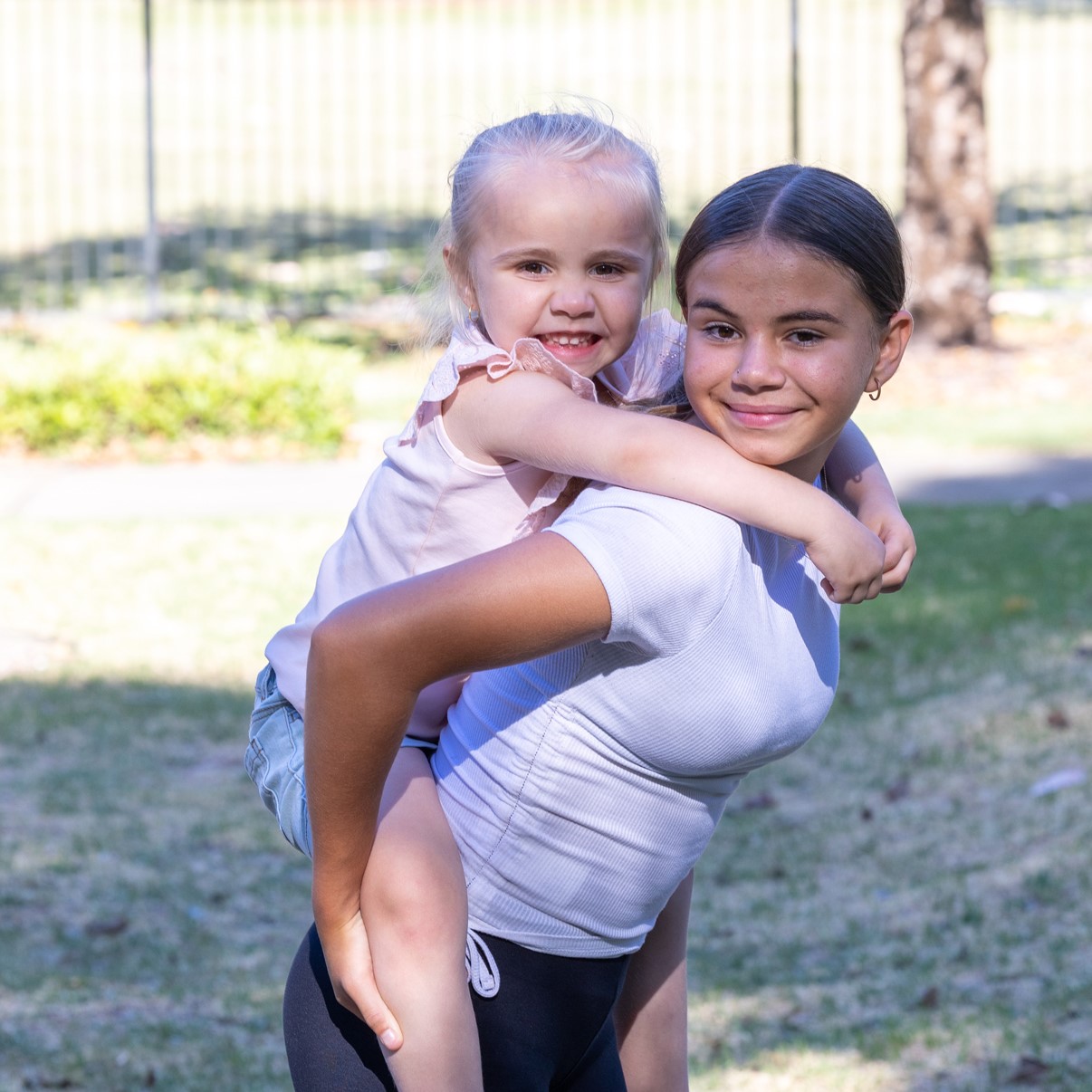
The Indigenous Genomics Group aims to build Indigenous leadership in genomic and data sciences, precision health, and ethics to improve health equity and the wellbeing of Indigenous people, families and communities.
Research
Koolungar (Children) Moorditj (Strong) Healthy SkinThe Koolungar (children) Moorditj (strong) Healthy Skin project is the first ever co-designed research-service Australian study to describe skin health in urban-living Aboriginal koolungar.
Research
Performance and Practicality of a Rapid Molecular Test for the Diagnosis of Strep A Pharyngitis in a Remote Australian SettingOver 5 days, 120 schoolchildren from two schools in the remote Kimberley region of Australia were screened for Strep A pharyngitis. Molecular point-of-care testing identified Strep A pharyngitis in 13/18 (72.2%) symptomatic children. The portability and feasibility of molecular point-of-care testing was highly practical for remote settings.
Research
Otitis-prone children produce functional antibodies to pneumolysin and pneumococcal polysaccharidesThe production of functional antipneumococcal antibodies in otitisprone children demonstrates that they respond to the current pneumococcal conjugate vaccine (PCV)and are likely to respond to pneumolysin-based vaccines as effectively as healthy children.
Research
Clinical utility of the parent listening and understanding measure (PLUM) for Aboriginal and/or Torres Strait Islander and non-Aboriginal children with otitis media living in urban areasThis study evaluated the clinical utility of the Parent Listening and Understanding Measure (PLUM) questionnaire as a potential screening tool for otitis media (OM) and associated hearing loss in Aboriginal and/or Torres Strait Islander and non-Aboriginal children.
Research
Haemophilus influenzae remains the predominant otitis media pathogen in Australian children undergoing ventilation tube insertion in the PCV13 eraUnderstanding patterns of bacterial carriage and otitis media (OM) microbiology is crucial for assessing vaccine impact and informing policy. The microbiology of OM can vary with geography, time, and interventions like pneumococcal conjugate vaccines (PCVs). We evaluated the microbiology of nasopharyngeal and middle ear effusions in children living in Western Australia, 11 years following the introduction of PCV13.
Research
Estimated Therapy Costs and Downstream Cost Consequences of iBASIS-Video Interaction to Promote Positive Parenting Intervention vs Usual Care Among Children Displaying Early Behavioral Signs of Autism in AustraliaThe growing global prevalence of autism spectrum disorder is associated with increasing costs for support services. Ascertaining the effects of a successful preemptive intervention for infants showing early behavioral signs of autism on human services budgets is highly policy relevant.