
Search
Showing results for "Study of bullying"
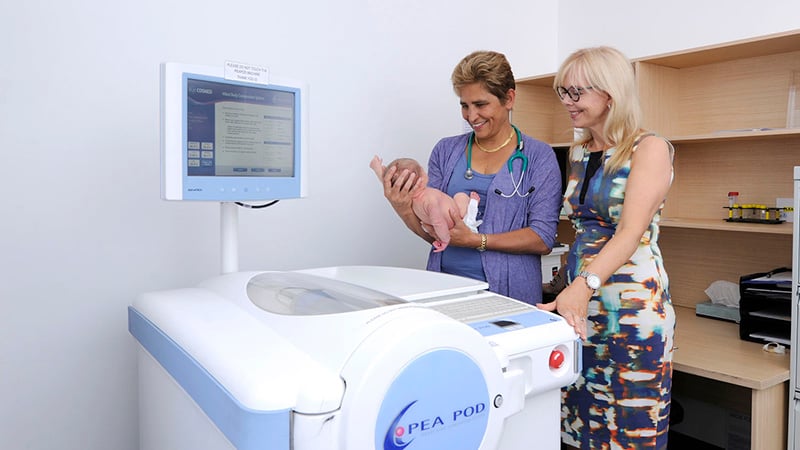
The Joondalup Health Campus and The Kids are investigating how childhood and adult-onset diseases can be prevented during foetal development and in the early years of life.
Find out about many of our previous research studies and trials, and those that are ongoing but are no longer recruiting participants.
New research findings from the world's largest study predicting children's late language emergence has revealed that parents are not to blame for late talking
We report vaccine efficacy against CIN3+ and adenocarcinoma in situ (AIS) in the end-of-study analysis of PATRICIA (PApilloma TRIal against Cancer In young...
To identify the barriers and facilitators for timely detection and optimal management of otitis media in Aboriginal children in a primary care setting from the perspective of Health Care Providers
Young children are increasingly exposed to evolving screen technology. International guidelines recommend no screen use for children under the age of 2 years, due to the potential for detrimental effects on behaviour and development. However, evidence for these guidelines is limited by inadequate consideration of device-specific effects (TV and mobile phone/tablet computer), maternal screen use, confounders such as maternal mental health and importance of effect sizes.
This research sought to describe a conceptual model of Aboriginal and Torres Strait Islander Community Controlled Health Organisation (ATSICCHO) primary health care, and the fundamental role ATSICCHOs exercise in addressing critical service gaps needed to achieve equitable outcomes for Aboriginal and Torres Strait Islander peoples.
This Phase-IIa trial evaluates the safety and pharmacokinetics of high-dose, 10 weekly subcutaneous injections of penicillin (SCIP) in young people with a history of acute rheumatic fever (ARF).
Stigma and self-stigma reduce self-esteem and increase hopelessness and suicidality. While psychotic disorders are widely recognized as the most stigmatizing of all mental health disorders, there is a dearth of research investigating how stigma and self-stigma are experienced by young people at ultra-high risk (UHR) for psychosis.
Electronic cigarette use, especially among younger members of society, has grown to concerning levels in many countries, including Australia and New Zealand. Uptake in the general population, driven by technological and pharmacological innovations, and accelerated by aggressive tobacco/vaping industry marketing, has outpaced medical research.