Search
Advanced hybrid closed-loop (AHCL) therapy improves glycemia. However, it is not known if there is an improvement in overall outcomes with AHCL for youth with type 1 diabetes (T1D) at high risk of diabetes-related complications. The study aimed to capture the experiences of youth with suboptimal glycemic control when commencing AHCL therapy in a clinical trial setting.
A type 1 diabetes (T1D) transition clinic in Sydney, Australia, provides age specific care for young adults (aged 16-25 years) and for adults (aged 21 years and above), and has reported improved clinical outcomes post transition to adult care over a 21-year period. This study investigated the contribution of digital technology to long-term resilient capacity of the clinic.
Hybrid closed-loop (HCL) therapy is an efficacious management strategy for young people with type 1 diabetes. However, high costs prevent equitable access. We thus sought to evaluate the cost-effectiveness of HCL therapy compared with current care among young people with type 1 diabetes in Australia.
Competing challenges in adolescence and young adulthood can distract from optimal type 1 diabetes (T1D) self-management, and increase risks of premature morbidity and mortality. There are limited data mapping the glycemic control of people with T1D in this age group, across Australasia.
Humans are commonly exposed to plastic through their dietary intake and food consumption patterns. Plastic-associated chemicals (PAC), such as bisphenols and phthalates, are recognized as endocrine-disrupting and are associated with increased risk of cardiovascular disease and metabolic syndrome. However, accurate methods to assess dietary exposure to plastic products and PAC are inadequate, limiting interrogation of health impacts.
Blood glucose management around exercise is challenging for youth with type 1 diabetes (T1D). Previous research has indicated interventions including decision-support aids to better support youth to effectively contextualize blood glucose results and take appropriate action to optimize glucose levels during and after exercise. Mobile health (mHealth) apps help deliver health behavior interventions to youth with T1D, given the use of technology for glucose monitoring, insulin dosing, and carbohydrate counting.
The Environmental Determinants of Islet Autoimmunity Study is an ongoing Australian prospective cohort study investigating how modifiable prenatal and early-life exposures drive the development of islet autoimmunity and type 1 diabetes in children. In this profile, we describe the cohort's parental demographics, maternal and neonatal outcomes and human leukocyte antigen genotypes.
Managing the care regimen for Type 1 Diabetes is challenging for emerging adults, as they take on greater responsibility for self-management. A diverse range of models of care have been implemented to improve safety and quality of care during transition between paediatric and adult services. However, evidence about acceptability and effectiveness of these is limited.
The EU LifeCycle Project was launched in 2017 to combine, harmonize, and analyze data from more than 250,000 participants across Europe and Australia, involving cohorts participating in the EU-funded LifeCycle Project. The purpose of this cohort description is to provide a detailed overview of the major measures within mental health domains that are available in 17 European and Australian cohorts participating in the LifeCycle Project.
Hypertension increases complication risk in type 1 diabetes (T1D). We examined blood pressure (BP) in adolescents and young adults with T1D from the Australasian Diabetes Data Network, a prospective clinical diabetes registry in Australia and New Zealand.
The Dexcom G6 CGM system will be available through the NDSS to all our patients with Type 1 diabetes.
Study: Self-Compassion for Young People with Type 1 Diabetes PARTICIPANTS NEEDED: We are looking for young Australians 14-17 years with type 1
Perth researchers have been awarded new West Australian funding to launch a pilot study into the use of oral insulin in type 1 diabetes – a medication intervention that could be a game-changer for those with the chronic condition.
We asked our nutrition research lead and Accredited Practising Dietitian, Dr Amelia Harray, for her advice on how to enjoy food and stay on track with managing type 1 diabetes over Christmas.
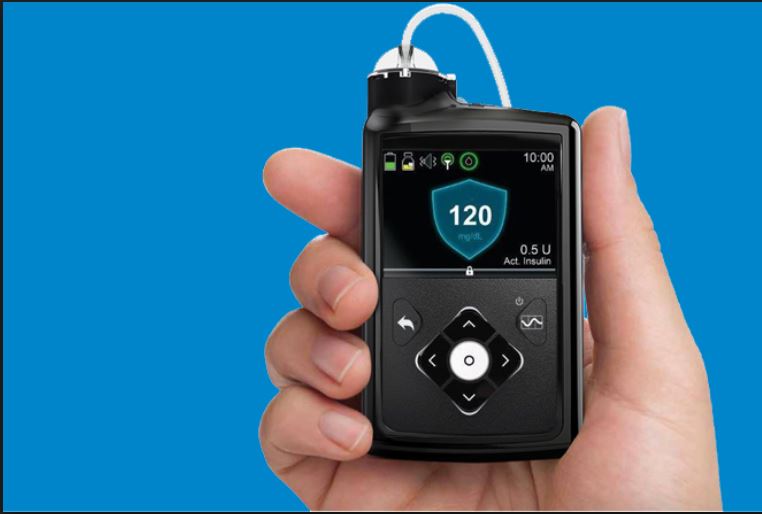
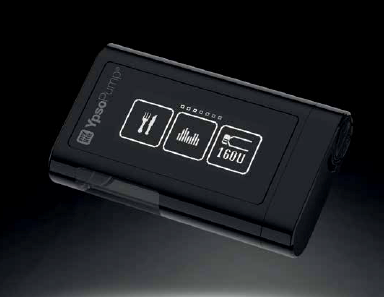
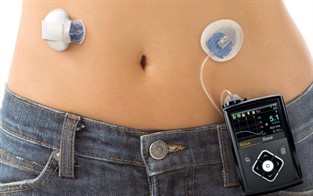
New Insulin delivery technology improves quality of life and offers better glucose control in young people living with type 1 diabetes.
Would you like to share your story or research experience?
Explore new research on youth-onset diabetes at The Kids' Institute, uncovering insights to improve health outcomes for young patients in Northern Australia.
(NHMRC, 2013)
A world-first clinical trial has shown young people with type 1 diabetes have better glycaemic control and quality of life while on hybrid closed loop (HCL) systems versus conventional treatments, Australian endocrinologists say.
The Dexcom G6 Early Access Program has so far been a huge success. The program commenced in May, and offered early access to the Dexcom G6 system to eligible patients.