
Search
Emotional resilience is an individual difference dimension, reflecting variation in the degree to which people show better or worse emotional well-being relative to what is predicted based on stressor exposure. Given that young adults commencing university studies commonly encounter a broad range of potential stressors, understanding the mechanisms that underpin emotional resilience could inform strategies for optimising student emotional well-being.
Despite decades of research, misconceptions about developmental dyslexia remain widespread among those responsible for identifying and supporting affected children. Identifying the nature and persistence of these beliefs is essential to improving practice and policy. We conducted a scoping review to map the understanding of developmental dyslexia among teachers, parents and clinicians by identifying their beliefs about its features and interventions.
ADHD has been associated with impaired central nervous dopaminergic pathways. Brain iron is an essential cofactor for the synthesis of dopamine and the substantia nigra (SN) is a significant pool of dopaminergic neurons playing a central role in the activity of the nigrostriatal pathway. The present study investigated SN iron content in children with ADHD, its relationship with ADHD symptom severity and cognitive performance.
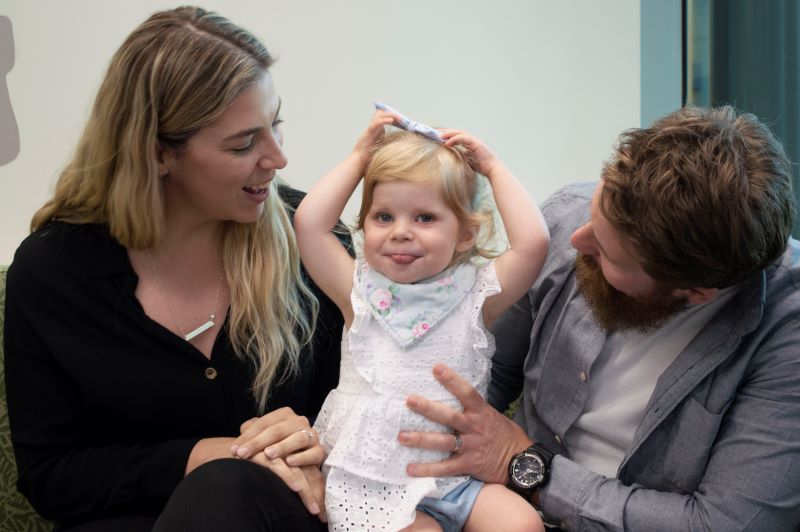
CliniKids, the first stand-alone clinical service offered by The Kids Research Institute Australia, was launched in October 2019 and is already delivering benefits for families with children who are developing differently.
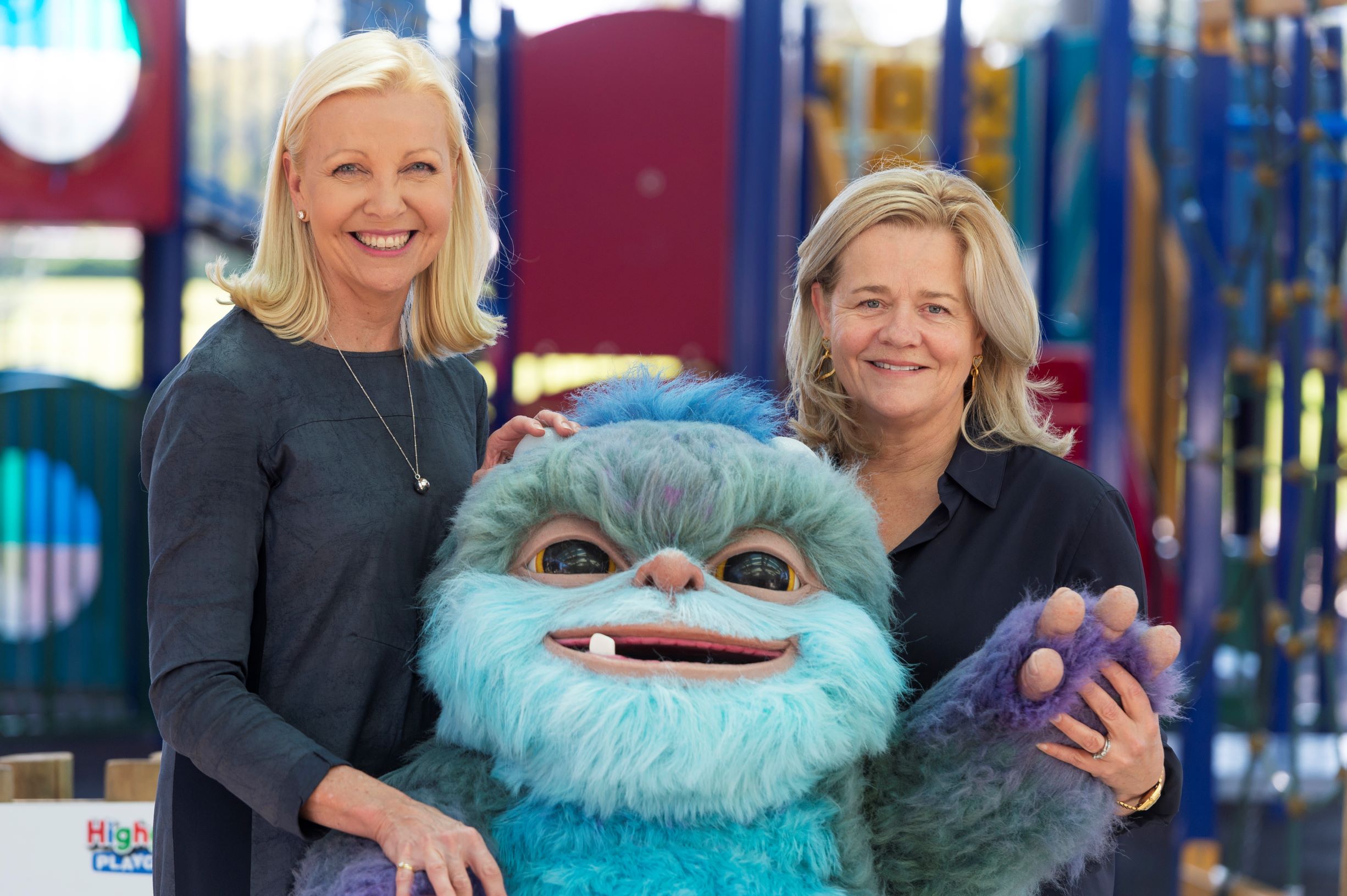
A comprehensive app produced by The Kids researchers has offered parents a lifeline as they try to cope with the isolation and disruption caused by coronavirus.

Strong advocacy efforts have paid off with health and food safety ministers from around Australia and New Zealand finally approving the recommended version of a warning label designed to highlight the potential risks of alcohol during pregnancy.
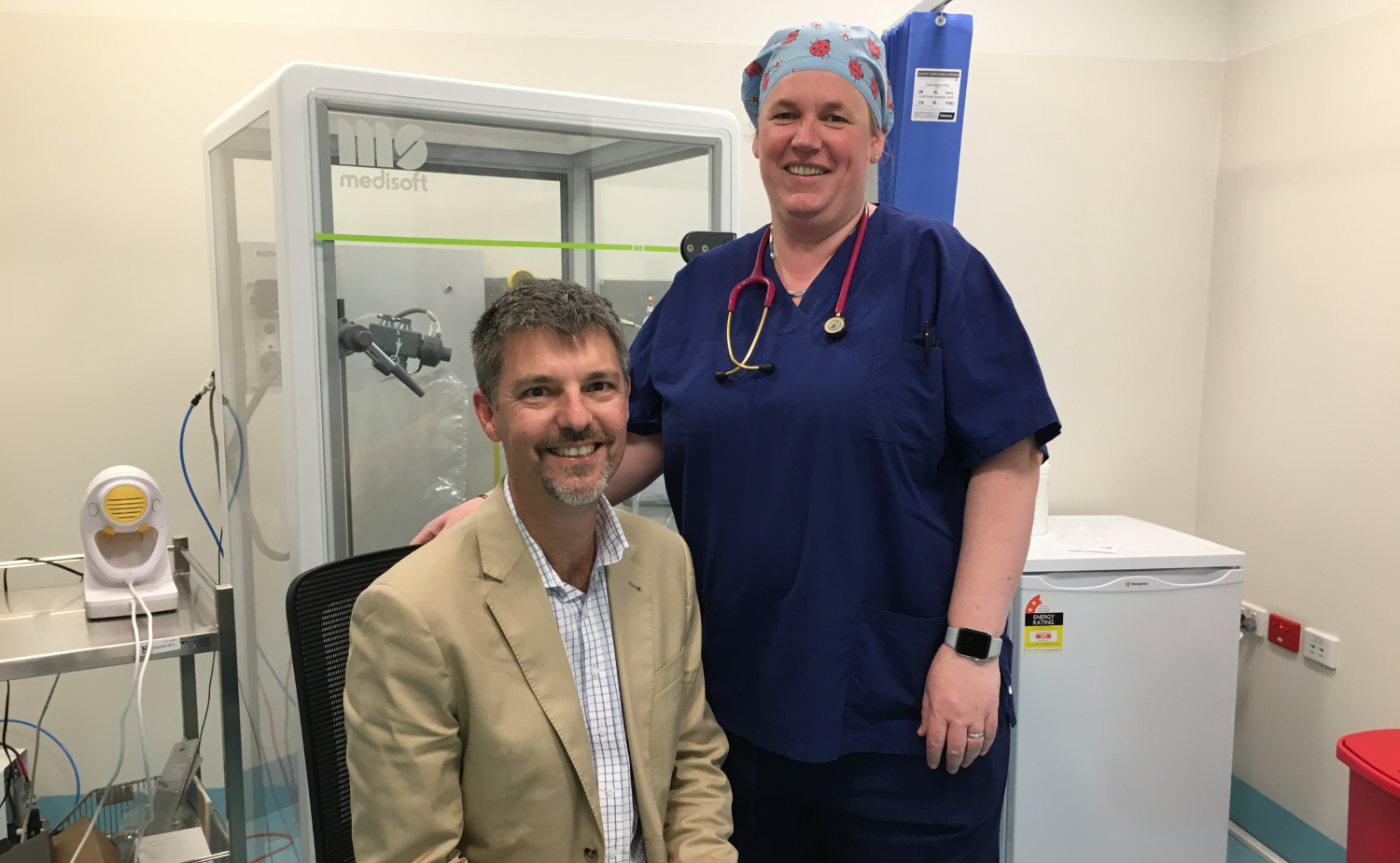
World-first findings from the collaborative REACT study – a joint project between The Kids, PCH, UWA and Curtin University – have led to the asthma medication Ventolin being routinely given to paediatric patients before tonsillectomy surgery to prevent respiratory complications.

Despite the risk of having a hypo (low blood glucose levels), Gina said she refused to let T1D stop her from exercising.
When doctors working within healthcare systems under pressure perpetrate, witness, or fail to prevent acts that contradict their own moral or ethical values and expectations, it can lead to moral distress or moral injury. This can result from active behaviour and from purposeful inactive behaviour. It is a growing and critical concern, representing significant distress that extends far beyond traditional concepts such as burnout. This article discusses moral injury in clinical and academic medicine and actively gives suggestions to prevent and address moral injury.
Protection of newborns from infection can be achieved through maternal or vaccine-induced antibodies, but the factors influencing vaccine protection (correlate of protection) and subsequent infant immunity remain insufficiently understood. Further investigation is essential to optimize early-life vaccination strategies.