
This study combines two innovative mouse models in a major gene discovery project to assess the influence of host genetics on asbestos related diseas…
DNA-informed prescribing (termed pharmacogenomics, PGx) is the epitome of personalised medicine. Despite international guidelines existing, its imple…
Tropomyosin receptor kinase (TRK) fusions are detected in less than 2% of central nervous system tumors. There are limited data on the clinical cours…
Lung squamous cell carcinoma (LUSC) is a significant health concern, characterized by a lack of specific therapies and limited treatment options for…
Risk factors for non-communicable diseases (NCDs, cardiovascular diseases, cancers, chronic respiratory diseases, diabetes, and mental disorders) ari…
Cancer prevention and care efforts have been challenged by the COVID-19 pandemic and armed conflicts, resulting in a decline in the global Human Deve…
Mesothelioma is a lethal cancer. Despite promising outcomes associated with immunotherapy, durable responses remain restricted to a minority of patie…
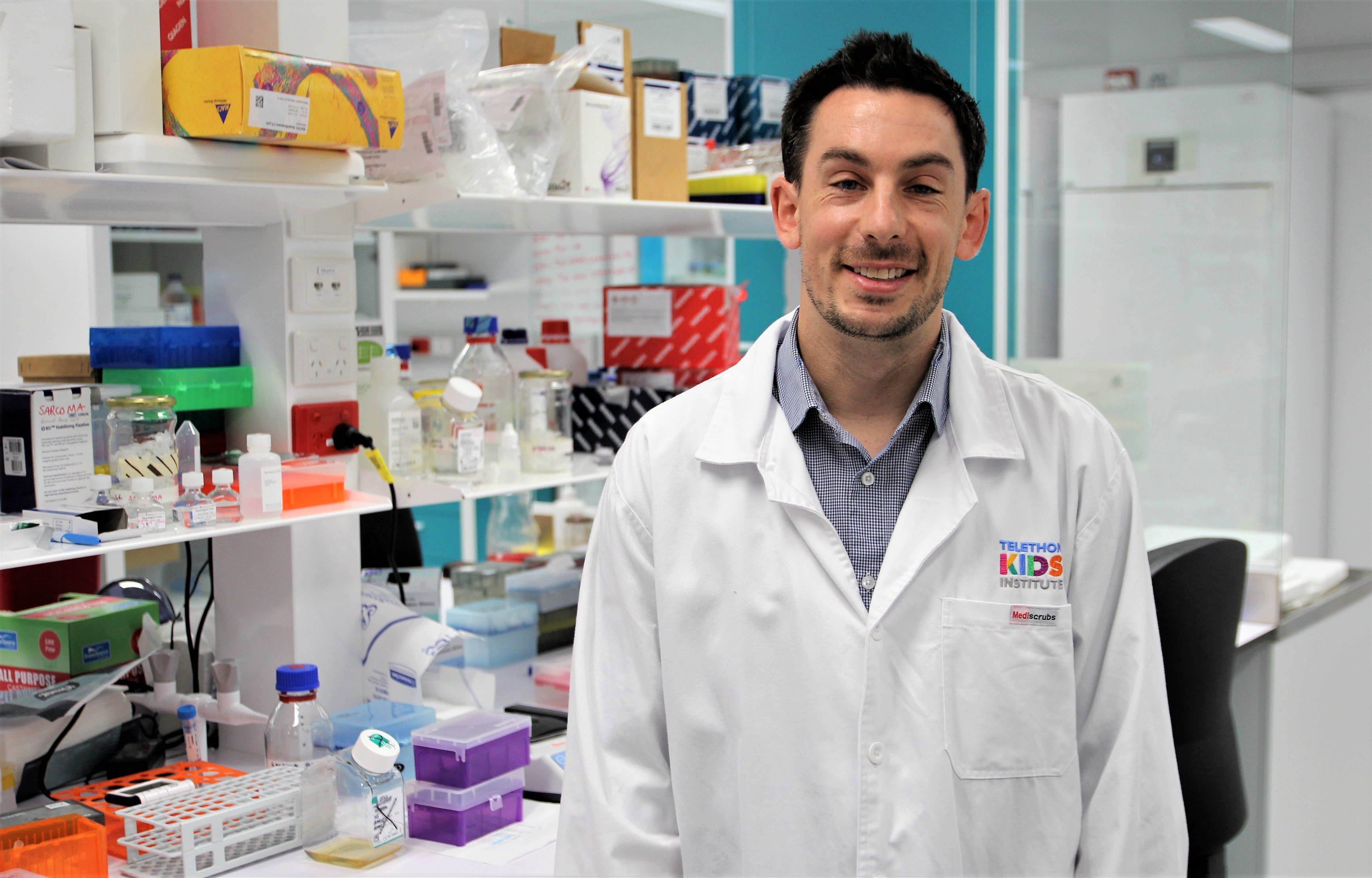
Cure Cancer and The Kids Research Institute Australia researcher Dr Ben Wylie announced new potential treatment in time for Childhood Sarcoma Awarene…
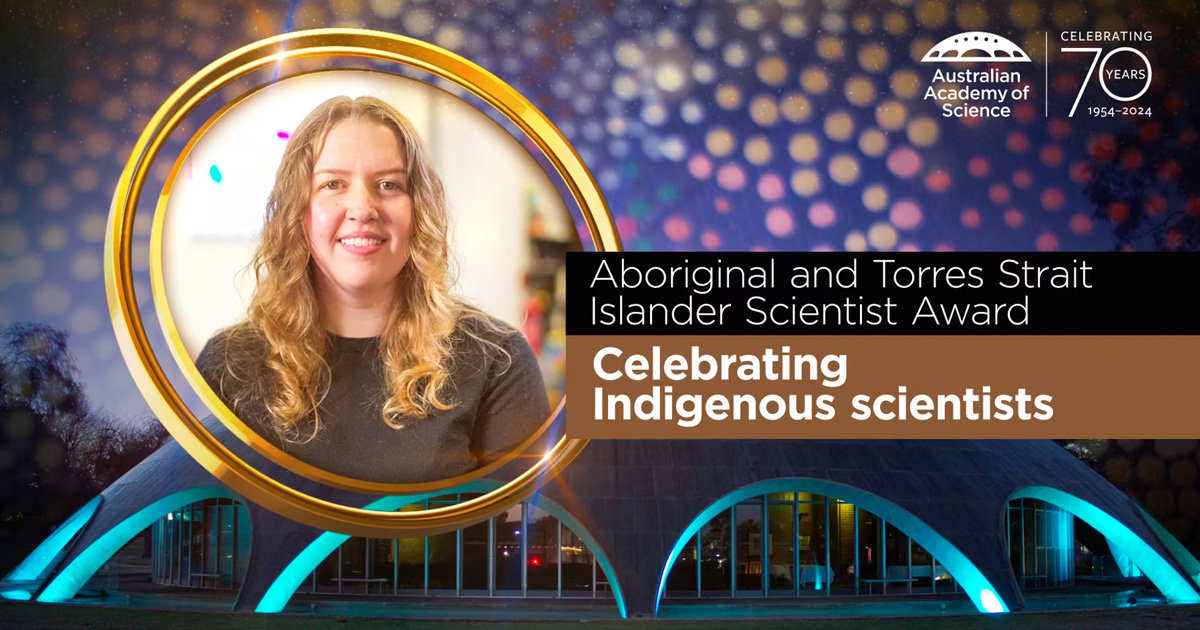
Congratulations to Indigenous genomics researcher Dr Justine Clark, who is one of two scientists nationally to receive the Australian Academy of Scie…

Four The Kids Research Institute Australia researchers have received prestigious fellowships and four significant cohort studies led or co-led by The…