Search
Atherosclerotic cardiovascular disease (ASCVD) is a leading cause of global mortality, often associated with high blood levels of LDL cholesterol (LDL-c). Medications like statins and PCSK9 inhibitors, are used to manage LDL-c levels and reduce ASCVD risk. Recent findings connect the gut microbiota and its metabolites to ASCVD development.
Respiratory disease in cattle is a significant global concern, yet current diagnostic methods are limited, and there is a lack of crush-side tests for detecting active disease. To address this gap, we propose utilizing electrical impedance tomography (EIT), a non-invasive imaging technique that provides real-time visualization of lung ventilation dynamics.
This 14-color, 13-antibody optimized multicolor immunofluorescence panel (OMIP) was designed for deep profiling of neutrophil subsets in various types of human samples to contextualize neutrophil plasticity in a range of healthy and diseased states. Markers present in the OMIP allow the profiling of neutrophil subsets associated with ontogeny, migration, phagocytosis capacity, granule release, and immune modulation.
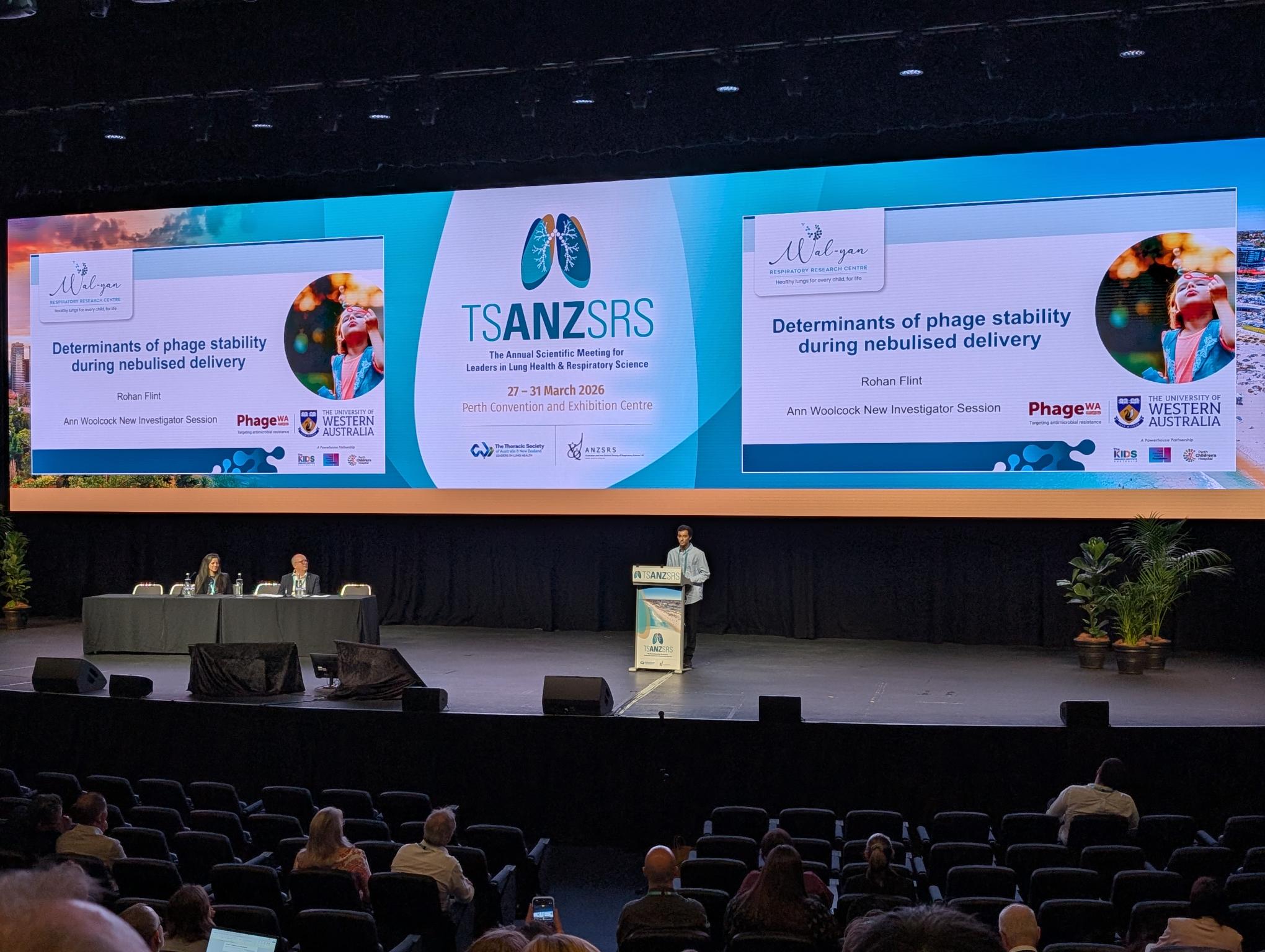
Persistent bacterial lung infections in children lead to significant morbidity and mortality due to antibiotic resistance. In this paper, we describe how phage therapy has shown remarkable efficacy in preclinical and clinical studies, demonstrating significant therapeutic benefits through various administration routes.
Chorioamnionitis is a common antecedent of preterm birth and induces inflammation and oxidative stress in the fetal lungs. Reducing inflammation and oxidative stress in the fetal lungs may improve respiratory outcomes in preterm infants. Creatine is an organic acid with known anti-inflammatory and antioxidant properties.
To identify the barriers and facilitators for timely detection and optimal management of otitis media in Aboriginal children in a primary care setting from the perspective of carers of Aboriginal children.
Acinetobacter baumannii is a common pathogen associated with hospital-acquired pneumonia showing increased resistance to carbapenem and colistin antibiotics nowadays. Infections with A. baumannii cause high patient fatalities due to their capability to evade current antimicrobial therapies, emphasizing the urgency of developing viable therapeutics to treat A. baumannii-associated pneumonia.
The twenty-first century has seen a fundamental shift in disease epidemiology with anthropogenic environmental change emerging as the likely dominant factor affecting the distribution and severity of current and future human disease. This is especially true of allergic diseases and asthma with their intimate relationship with the natural environment.
Survival statistics, estimated using data from national cystic fibrosis (CF) registries, inform the CF community and monitor disease progression. This study aimed to estimate survival among people with CF in Australia and to identify factors associated with survival.
Bronchiectasis (not related to cystic fibrosis) is a chronic lung disease caused by a range of etiologies but characterized by abnormal airway dilatation, recurrent respiratory symptoms, impaired quality of life and reduced life expectancy.