
Language is one of the most remarkable developmental accomplishments of early childhood. Language connects us with others and is an essential tool fo…
Assisted reproductive technologies (ART) cover a range of methods used to help couples with fertility problems achieve pregnancy, including in-vitro…
About 2 per cent of children are estimated to have an intellectual disability. The cause of the condition is unknown in at least 50 per cent of cases.
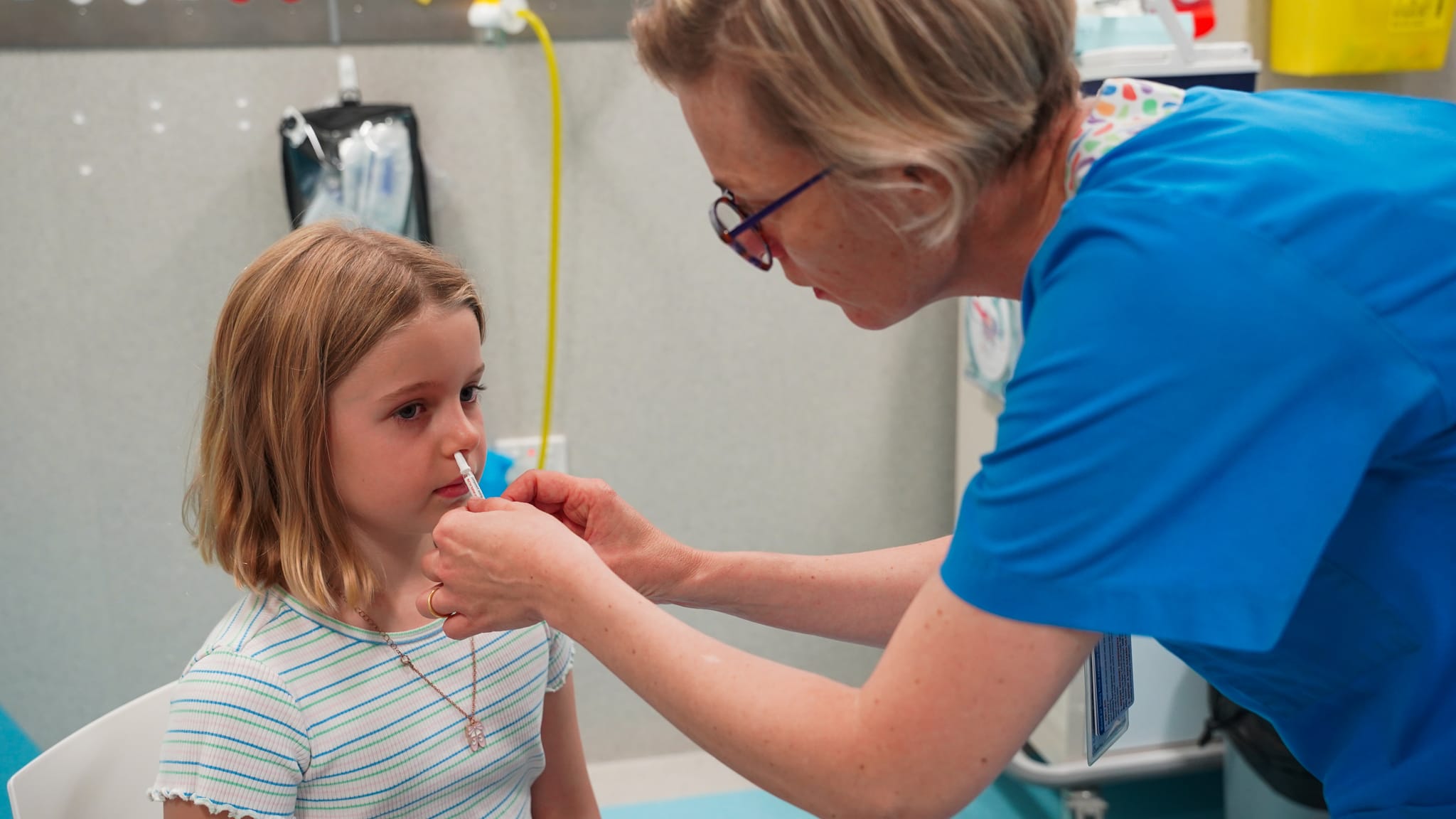
Influenza (commonly known as the flu) is caused by a highly contagious virus spread mainly through coughing and sneezing. An annual flu vaccination i…
Immunisation is the most effective way of protecting your child against a range of serious illnesses, including measles, hepatitis B and whooping cou…

Fetal Alcohol Spectrum Disorder (FASD) is a lifelong condition characterised by severe neurodevelopmental impairment due to prenatal exposure to alco…
Every child deserves the best possible start in life. Evidence demonstrates the period from pre-birth to three years is a vital period of development…
Middle ear infections are one of the main reasons that children visit a GP, are prescribed antibiotics and need surgery. Aboriginal children are part…
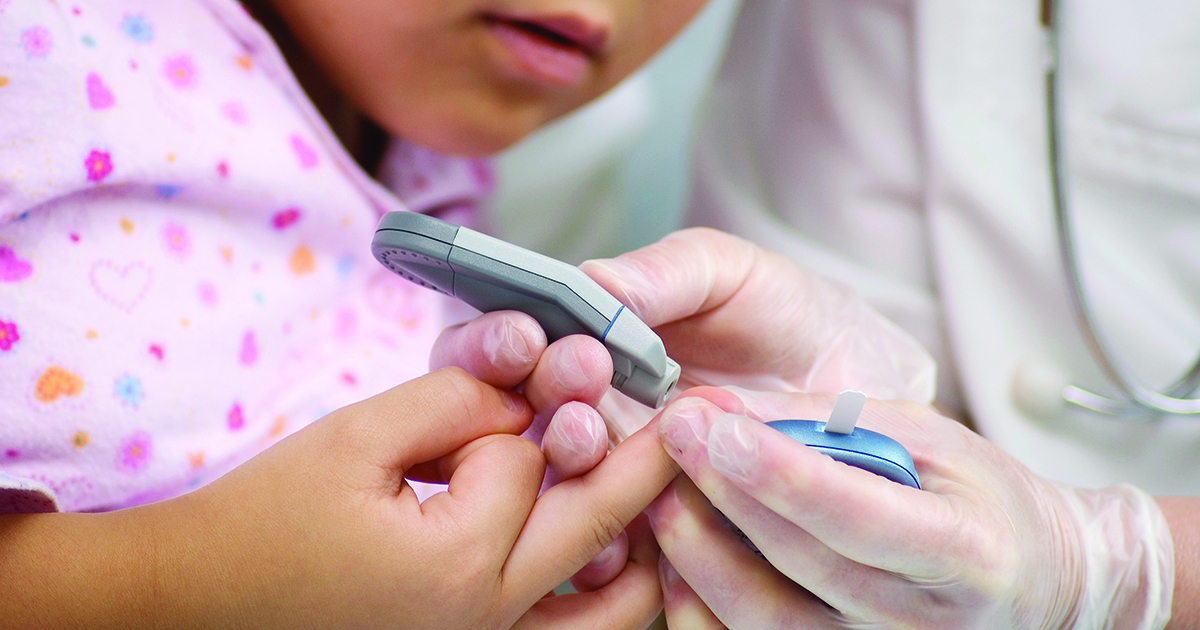
A lifelong auto-immune condition that can affect anyone, but is most commonly diagnosed in childhood.

According to the Young Minds Matter study, mental health disorders such as anxiety and depression are experienced by approximately one in seven or 56…