
Search
Showing results for "Study of bullying"
We developed recommendations to assess and manage issues relating to poor growth and weight gain in Rett syndrome, including consideration of gastrostomy.
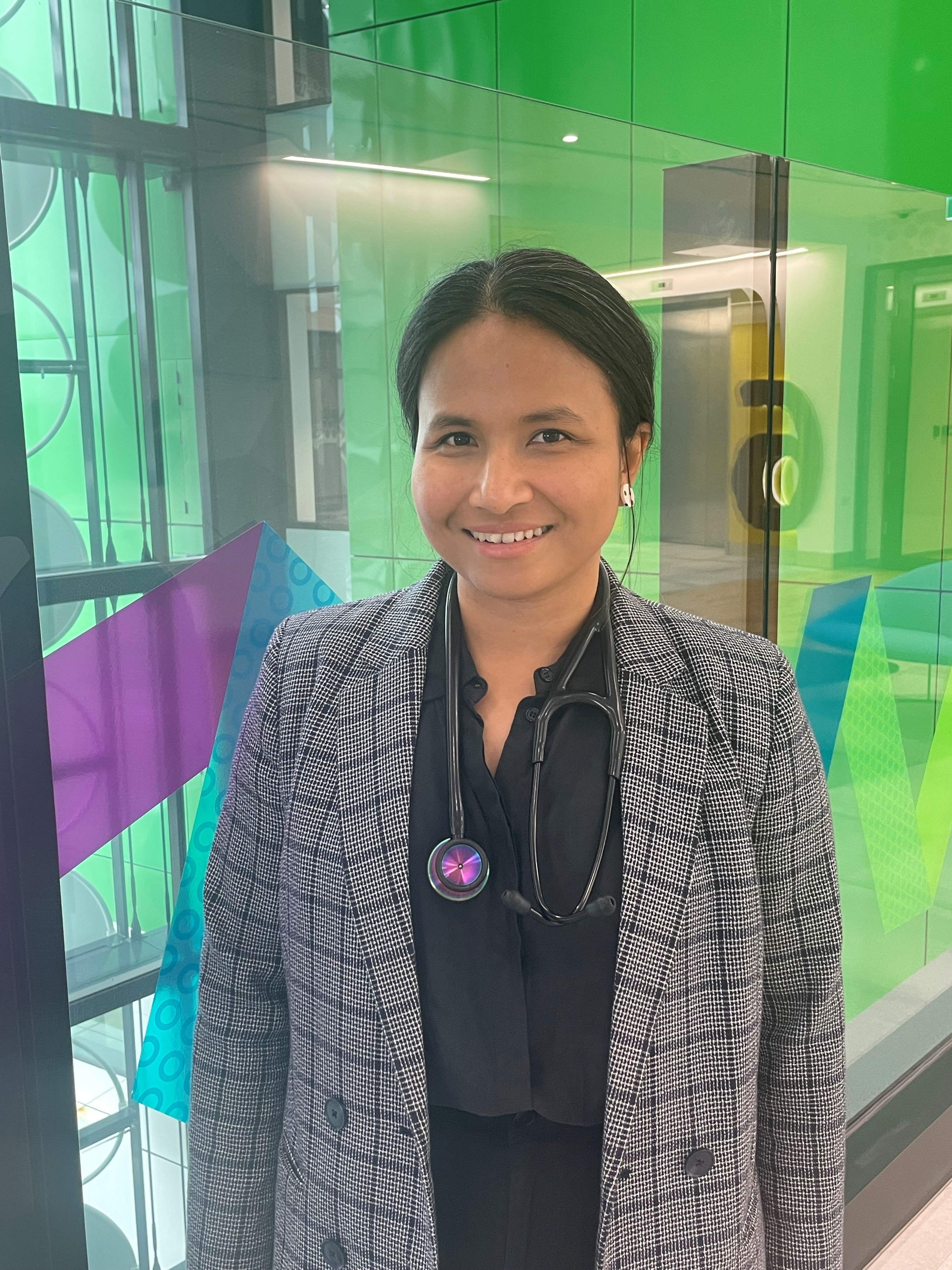
A surge in invasive group A streptococcal reports in Australia has prompted The Kids Research Institute Australia researchers to call for a unified national public health response, with cases tipped to increase.

Investigating the association between iron deficiency and quality of sleep in one year old infants.

To celebrate International Day of Women and Girls in Science, we asked some of the research team to share why science is the key to success and their tips for encouraging girls who want to pursue a career in STEM.

At every meal, Candice Carlon counts the carbs in her daughter Mia’s food. When Mia started pre-kindy, she stayed with her every day for six months.
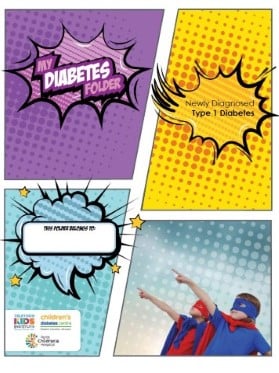
We recently launched our new and improved Children’s Diabetes Centre patient folder so don’t forget to ask for your own hard copy next time you visit the diabetes clinic at Perth Children’s Hospital.
The END RHD CRE is producing a costed, step-wise strategy to end rheumatic heart disease (RHD) as public health priority in Australia.
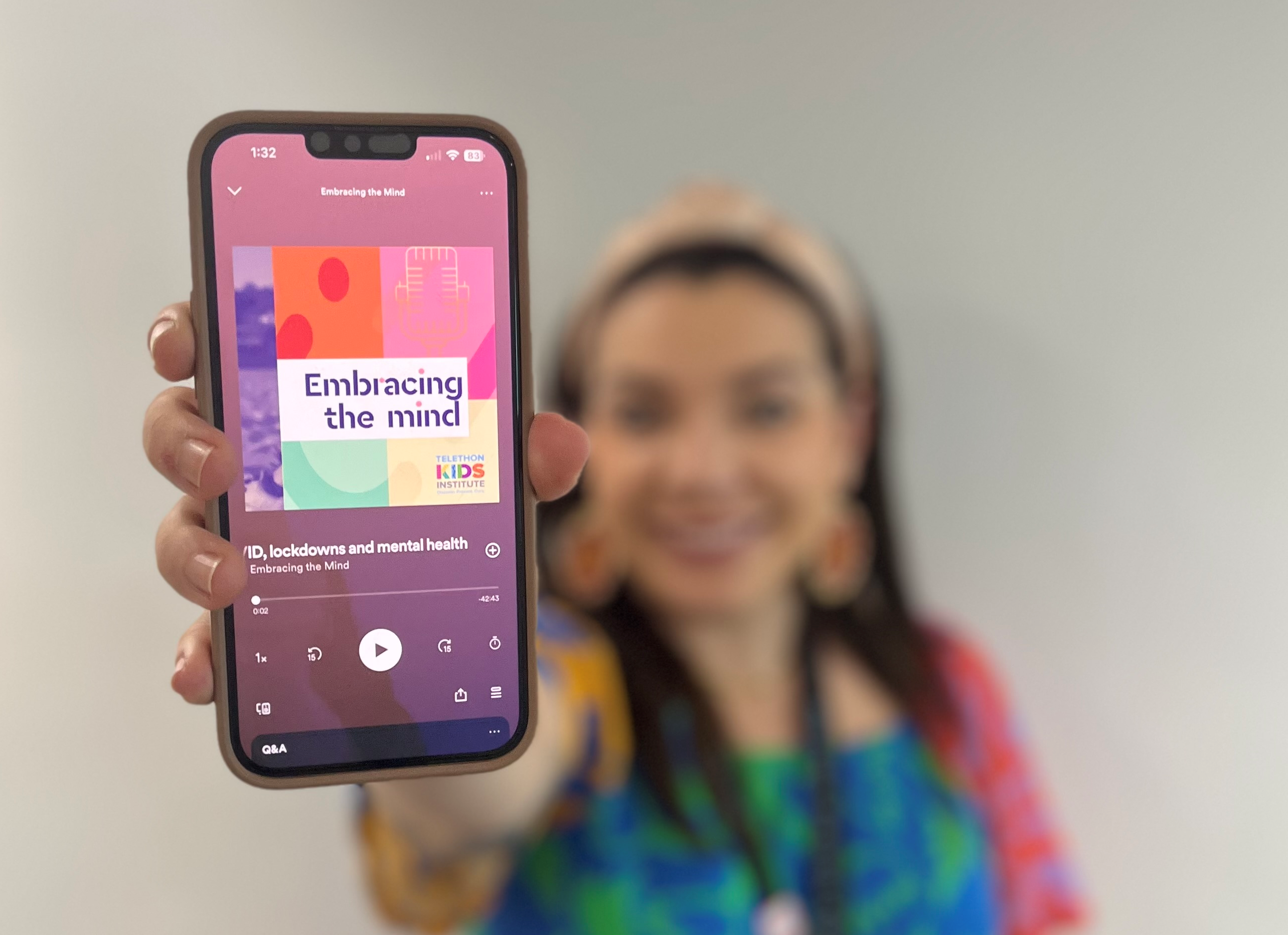
Embracing the Mind host Dr Alix Woolard.

Early Lung Surveillance of Cystic Fibrosis: what have we learnt? Click to read the full article Authors: Rachel E Foong, Tim Rosenow, Luke W Garratt

Short term use of a hybrid closed loop system might preferentially benefit people with type 1 diabetes who have impaired awareness of hypoglycaemia (IAH), according to new research from the Children's Diabetes Centre.