
Search
Research
Interleukin-4 modulates type I interferon to augment antitumor immunityDespite advances in immunotherapy, metastatic melanoma remains a considerable therapeutic challenge due to the complexity of the tumor microenvironment. Intratumoral type I interferon (IFN-I) has long been associated with improved clinical outcomes. However, several IFN-I subtypes can also paradoxically promote tumor growth in some contexts.
Research
Pediatric Endotracheal Tube Cuff Management at Altitude: Implications for Aeromedical Retrieval and Other Austere EnvironmentsChildren are sometimes transported via fixed or rotary wing aircraft for medical care. If they are intubated with a cuffed endotracheal tube (ETT), changes in environmental pressure during transport can alter cuff pressure. Cuff management in this setting varies widely by region and by organization. In this historical review, we sought to delineate the evolution of ETT cuff management in children undergoing aeromedical retrieval in order to progress the field toward an optimum strategy in the future.
Research
Incidence of cognitive errors in difficult airway management: an inference human factors study from the Pediatric Difficult Intubation RegistryCognitive errors are known contributors to poor decision-making in healthcare. However, their incidence and extent of their contribution to negative outcomes during difficult airway management are unknown. We aimed to identify cognitive errors during paediatric difficult airway management using data from the Pediatric Difficult Intubation (PeDI) registry, to determine patient and clinician factors associated with these errors, and their contribution to complications.
Research
A call to action: the second Lancet Commission on adolescent health and wellbeingAdolescents are the future leaders of our world. Ensuring their health and wellbeing—now and in the future—is one of the strongest mechanisms available to safeguard the collective future of humanity and to secure a more just society and a healthier and more productive planet.
Research
National E-cigarette Monitoring and Evidence Consortium: Supporting informed research, policy and practice in AustraliaAlexander Larcombe BScEnv (Hons) PhD Honorary Research Fellow Honorary Research Fellow Associate Professor Alexander Larcombe began work at The Kids
Research
Strategies to Improve Research Participation By Older People With Cognitive Impairment: A Systematic ReviewOlder people with cognitive impairment are unrepresented in clinical research. Our objective was to review evidence for strategies to support their research inclusion and participation.
Research
Impact of climate change on diarrhoea risk in low- and middle-income countriesDiarrhoea remains a leading cause of mortality among children under five years of age, with over 99 % of deaths occurring in low- and middle-income countries. Poor water quality, inadequate sanitation, poverty, undernutrition, and limited healthcare access contribute to this lingering problem, together with emerging environmental stressors driven by climate change.
Research
Lifting the wellbeing of adolescents and young adults with type 1 diabetes: A feasibility study of the LIFT appAdolescents and young adults with type 1 diabetes have an increased risk of psychological distress. To address this, psychological support provided asynchronously via an app may be feasible. Our study aimed to explore feasibility and safety of the LIFT wellbeing app.
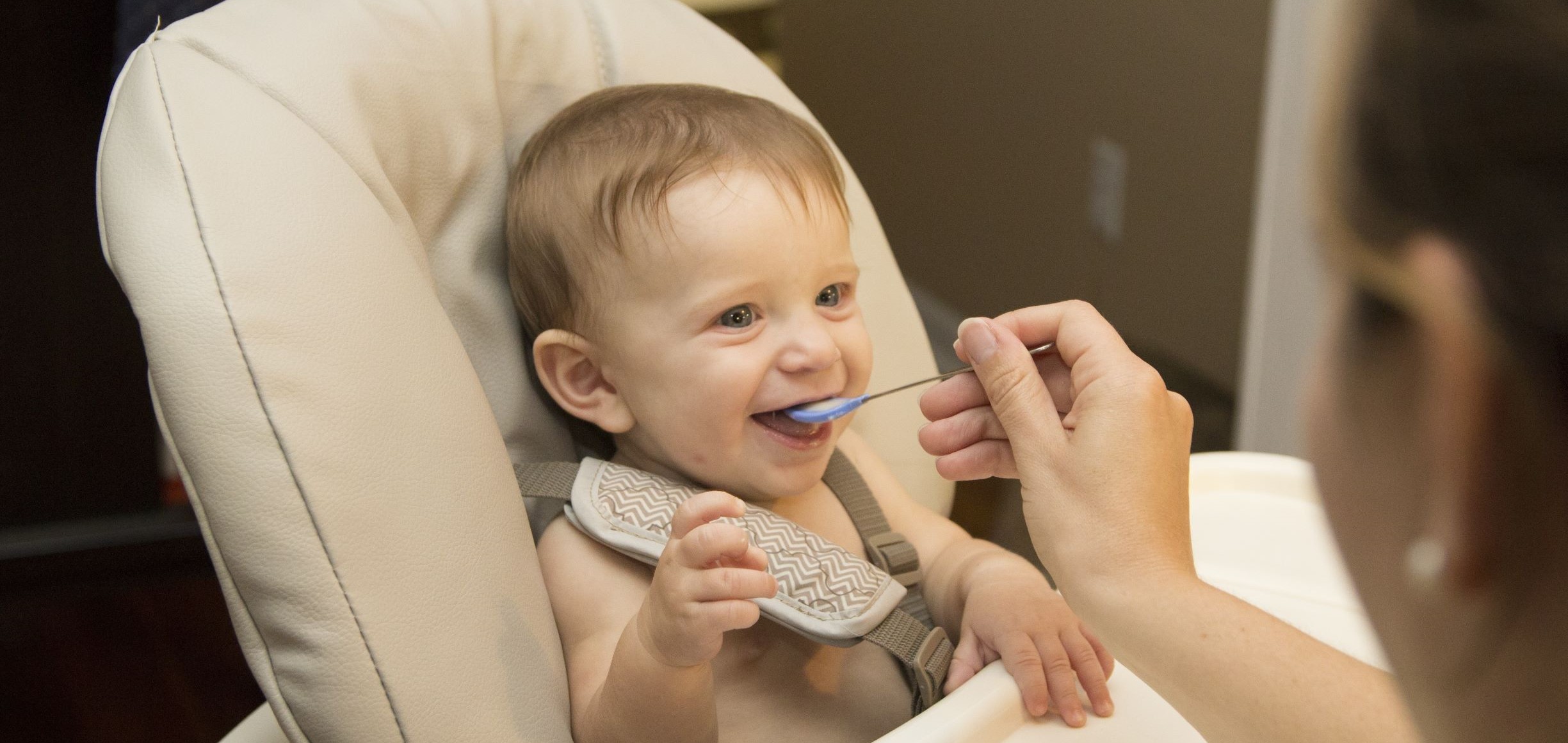
A dramatic rise in food allergies over the past 20 years had Australian medical professionals scratching their heads, with three in every ten babies born each year developing food-related allergy or eczema.
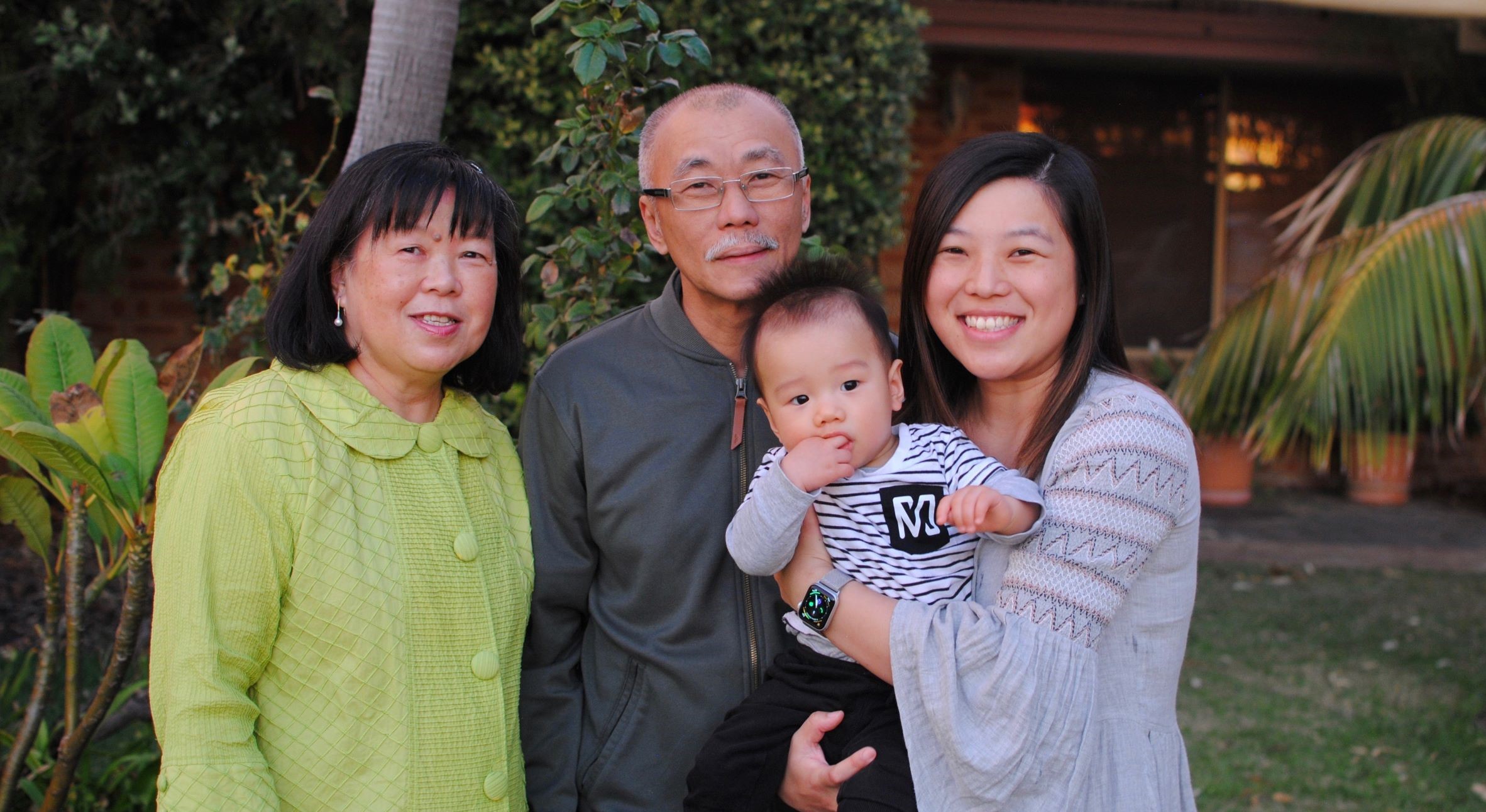
Between 1989 and 1991, almost 3,000 WA babies were recruited to the Raine Study - an ambitious research project which would yield a series of paradigm-shifting findings that changed scientific thinking. Three decades on, it has also changed the lives of those taking part.