
Search
Showing results for "clinikids"
Delays within the motor domain are often overlooked as an early surveillance marker for autism. The present study evaluated motor difficulties and its potential as an early predictive marker for later autism likelihood in a cohort of infants showing early behavioral signs of autism aged 9-14 months. The motor domain was evaluated using the motor subscales of the Mullen Scales of Early Learning at baseline, and at a 6-month follow-up.
In this population-based cohort that included 2,084 children with autism aged ≤6 years, over one-third met the criteria for motor difficulties
Andrew Desiree Gail Kandice Videos Whitehouse Watch and listen to Andrew Silva Alvares Varcin PhD MBBS, FRACP, MPH, PhD PhD M.Psych (Clinical), PhD
We argue that 'high functioning autism' is an inaccurate clinical descriptor when based solely on intelligence quotient demarcations

In this new blog, Senior Speech Pathologist and PACT therapist/trainer Sally Grauaug discusses the benefits of PACT, how it works and how clinicians become certified PACT therapists.
The autistic and autism communities have identified improving the quality of life and well-being of autistic people as a key priority. Despite this, to date, there are no evidence-based supports for autistic children which specifically focus on improvements in these areas.
There is emerging evidence that LEGO® therapy is an effective way of supporting younger autistic children develop their communication and social skills. LEGO® robotics therapy - which uses the principles of LEGO® therapy applied to LEGO® robotics - may be an age-appropriate intervention to reduce anxiety and increase social skills in autistic adolescents.
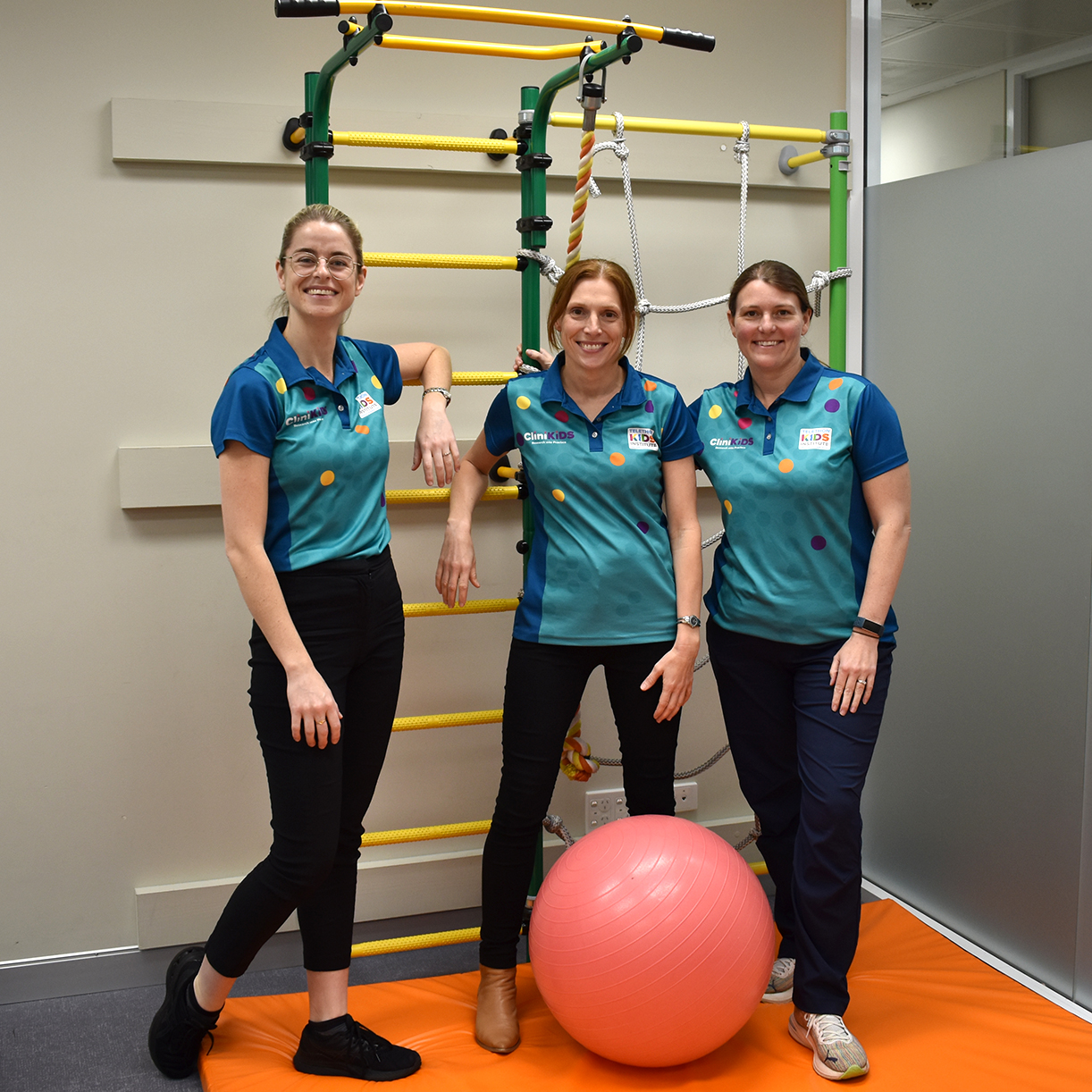
For Occupational Therapy Week, we asked our OTs to share their favourite resource and how they like to use it.

Our team is comprised of well experienced clinicians who can support your child and family.
Although up to 89% of autistic children experience feeding difficulties, little is known about the impact of these difficulties on mealtime participation. The aim of this study was to explore the impact of feeding difficulties on the mealtime participation of autistic children and their families based on caregiver experiences.