
Search
Showing results for "grants"
Research
Content validation of the Quality of Life Inventory—DisabilitySatisfactory content validity is reported, where ongoing consumer feedback shaped the dataset from which the final items were selected
Research
Protective benefit of predominant breastfeeding against otitis media may be limited to early childhood: results from a prospective birth cohort studyOur findings are in line with a number of epidemiological studies which show a positive association between breastfeeding and OM in early childhood
Research
Re-evaluation of link between interpregnancy interval and adverse birth outcomes: Retrospective cohort study matching two intervals per motherThis study questions the causal effect of short interpregnancy intervals on adverse birth outcomes and points to the possibility of unmeasured or...
News & Events
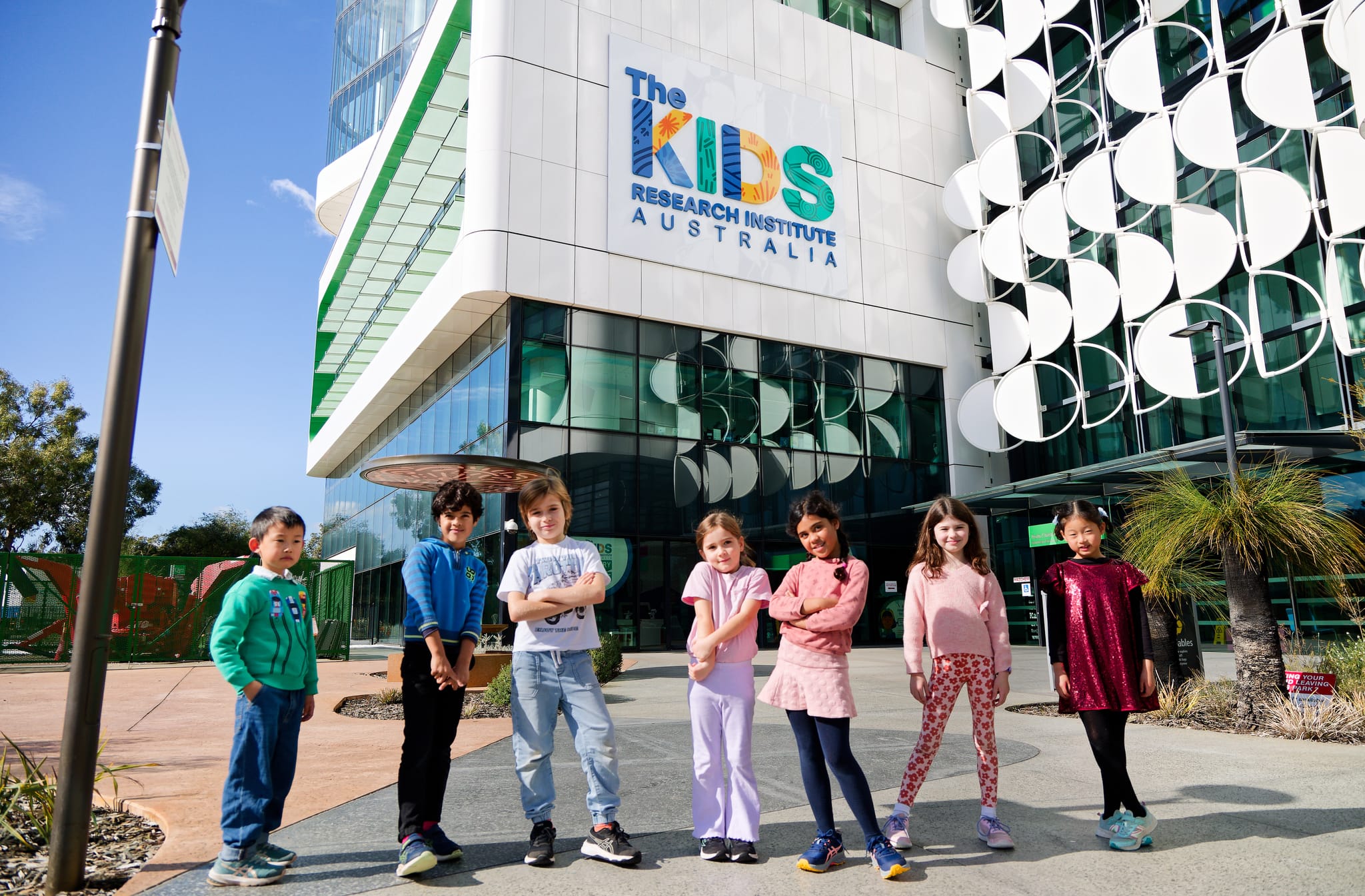
Funding boost for groundbreaking child health researchResearchers from The Kids Research Institute Australia will share in almost $4 million in grants to continue groundbreaking research to tackle childhood cancer, asthma, respiratory viral infections and more.
Research
Co-design of a neurodevelopment assessment scale: A study protocolNeurodevelopmental disorders are a heterogeneous group of conditions with overlapping symptomatology and fluctuating developmental trajectories that transcend current diagnostic categorisation. There is a need for validated screening instruments which dimensionally assess symptomatology from a holistic, transdiagnostic perspective.
Research
Brain-behavior links in autism spectrum disorder across the lifespanAndrew Videos Whitehouse Watch and listen to Andrew PhD Deputy Director (Research); Angela Wright Bennett Professor of Autism Research at The Kids
Research
Early Intervention Delivery Methods for New Zealand Children with Autism: Current Practices Versus Parental PreferencesLittle is known about parent preferences regarding delivery methods of early interventions. This research examined, through parent report, the current and preferred delivery methods of seven common educational early interventions accessed by New Zealand children with autism spectrum disorder.
Research
Parent and Child Choice of Sugary Drinks Under Four Labelling ConditionsThe majority of Australian children exceed the World Health Organization's recommended dietary intake of free sugar, particularly through the consumption of sugar-sweetened beverages. Front-of-pack nutrition labels increase perceived risk and deter the consumption of sugar-sweetened beverages.
Research
Plasma Cortisol Levels in Infants With Respiratory Distress During Different Phases of Neonatal Transport: A Pilot Prospective Observational Before-After StudyThe transport of sick newborn infants with respiratory distress leads to unwanted stress at time of physiological instability. There is dearth of studies to evaluate these stress levels. This pilot prospective observational before-after study aimed to evaluate the plasma cortisol levels (as surrogate marker of stress) in infants with respiratory distress during different phases of neonatal transport.
Research
Exploring Sugary Drink Consumption and Perceptions among Primary-School-Aged Children and Parents in AustraliaSugar-sweetened beverages (SSBs) account for a significant proportion of sugar in the diet of children and are directly associated with obesity in this group. While there have been many studies on adolescent SSB consumption, few studies have examined the predictors of SSB consumption in primary-school-aged children. The aim of this study was to understand the degree to which a child's consumption across a range of beverages is influenced by their own attitudes and by their parents' attitudes and parents' consumption behaviours.