
Search
Showing results for "clinikids"
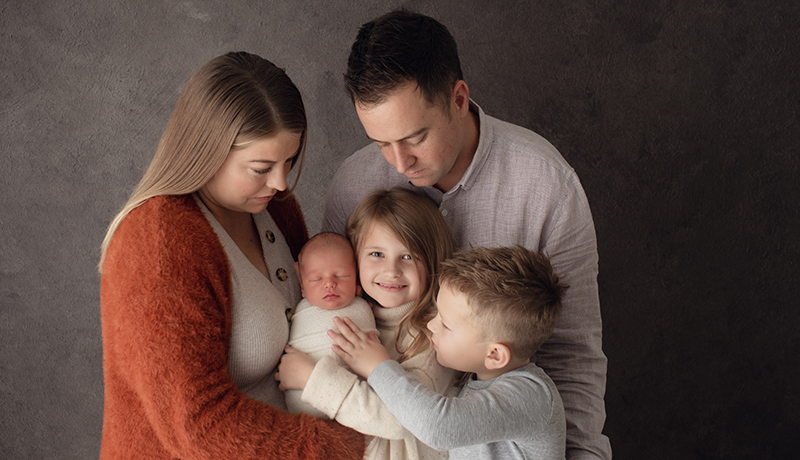
Video technology is helping researchers learn more about the earliest features of autism, and in turn is helping families gain access to better interventions.
There are no well-established biomedical treatments for the core symptoms of autism spectrum disorder (ASD). A small number of studies suggest that repetitive transcranial magnetic stimulation (rTMS), a non-invasive brain stimulation technique, may improve clinical and cognitive outcomes in ASD.
This large population-based study identified no consistent association across two cohorts between prenatal head growth and postnatal autistic traits
These data provide the first evidence for a broad autism phenotype expressed in a physical characteristic
The Australian Autism Biobank was initiated to establish a large-scale repository of biological samples and detailed clinical information about children diagnosed with ASD
this study is the first to show an association between immune activation history in the mother and increased ASD symptom severity in children with ASD
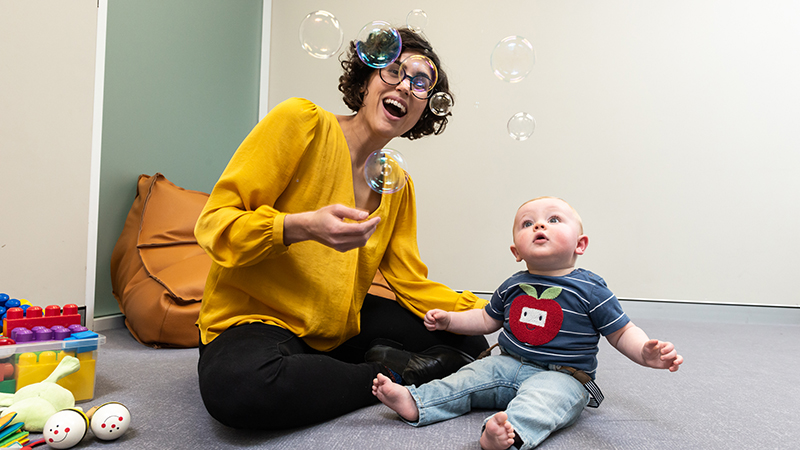
A child-led therapy that supports the social development of babies showing early signs of autism has found a significant reduction in social communication difficulties in babies who received the therapy, according to new research led by CliniKids at The Kids Research Institute Australia.
Andrew Kandice Matt Melissa Videos Whitehouse Watch and listen to Andrew Varcin Cooper Licari PhD M.Psych (Clinical), PhD BCA Marketing, BSc
A broad range of interests characterized by unusual content and/or intensity, labeled as circumscribed interests are a core diagnostic feature of autism. Recent evidence suggests that a distinction can be drawn between interests that, although characterized by unusually high intensity and/or inflexibility, are otherwise common in terms of their content (e.g., an interest in movies or animals), labeled as restricted interests and interests that are generally not salient outside of autism (e.g., an interest in traffic lights or categorization), labeled as unusual interests.
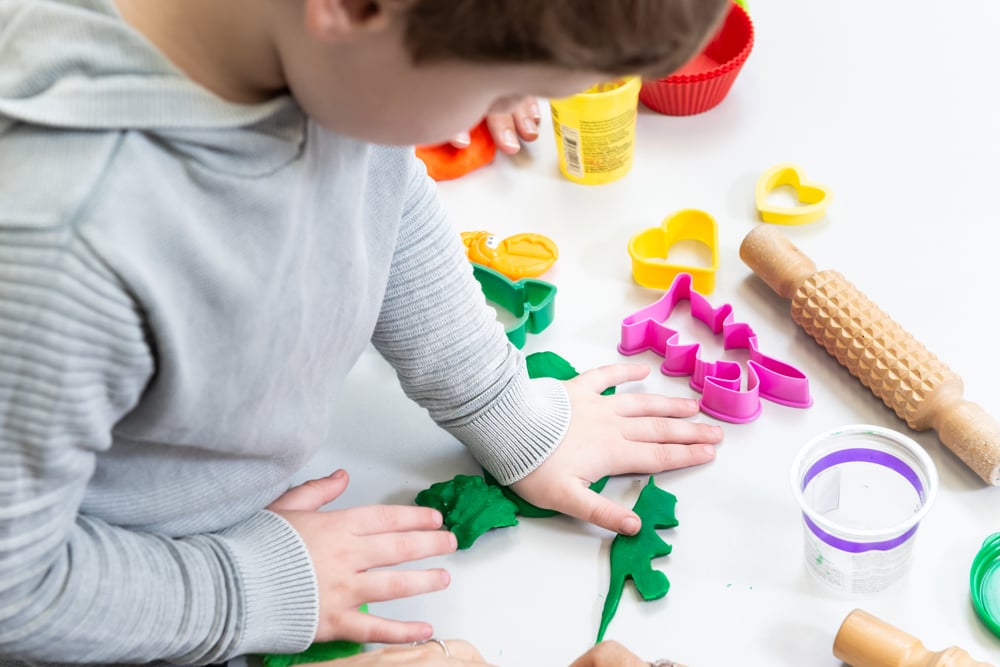
For World Autism Acceptance Day, we asked our clients, their families and the community to tell us what they would like people to know about autism. Senior Speech Pathologist Sally Grauaug compiled their ideas and feedback into this blog.