
Search
Staphylococcus aureus bacteremia (SAB) is the most common cause of childhood sepsis contributing to pediatric intensive care unit admission. The cost of adult SAB hospitalization is well described globally, but limited costing information is available for children. To bridge this knowledge gap, we investigated the cost of hospitalization in children with SAB in Australia.
To describe the perspectives of Aboriginal and Torres Strait Islander peoples and health care workers on genomics in cancer care to inform the National Framework for Genomics in Cancer Control (the Framework).
Human milk is a rich source of immunomodulatory factors that influence the development of the infant immune system, including susceptibility to allergic diseases. Among these components, milk antibodies have been extensively studied for their role in protecting against infections; however, their potential contribution to allergy prevention may be equally important. The mechanisms of protection include allergen exclusion, enhanced and targeted antigen presentation, immune modulation via shaping of the infant gut microbiome, and direct regulation of gut immune responses.
Information on factors contributing to quality of life (QOL) informs meaningful patient-centred care. We evaluated factors influencing QOL in individuals with developmental and epileptic encephalopathy (DEE) and other severe neurodevelopmental encephalopathy conditions using hypothesis-free regression tree analysis.
Antibiotic exposure in neonatal intensive care units (NICU) is high. This study describes antibiotic use in very preterm infants and examines the association between duration of exposure and outcomes in blood culture negative (CN) infants.
Research on the health literacy of parents with children with intellectual disability is limited. Understanding parents' healthcare skills and needs is essential for improving children's health and developing effective support. In this study we aimed to (1) explore the health literacy skills of parents that enabled them to support the health needs of their child with intellectual disability and the factors influencing these skills, and (2) identify opportunities to support parent health literacy.
Hereditary pancreatitis causes severe early-onset pain and hospitalisation. In 15 Australian patients undergoing total pancreatectomy and islet auto transplantation (TPIAT), we observed a marked reduction in hospital admissions, inpatient days and emergency visits, complete analgesic cessation by 24 months and durable insulin independence in nearly half of the patients. These findings highlight TPIAT's potential to improve quality of life and reduce healthcare burden. Our programme aims to build evidence to support public funding and ensure equitable access to this procedure.
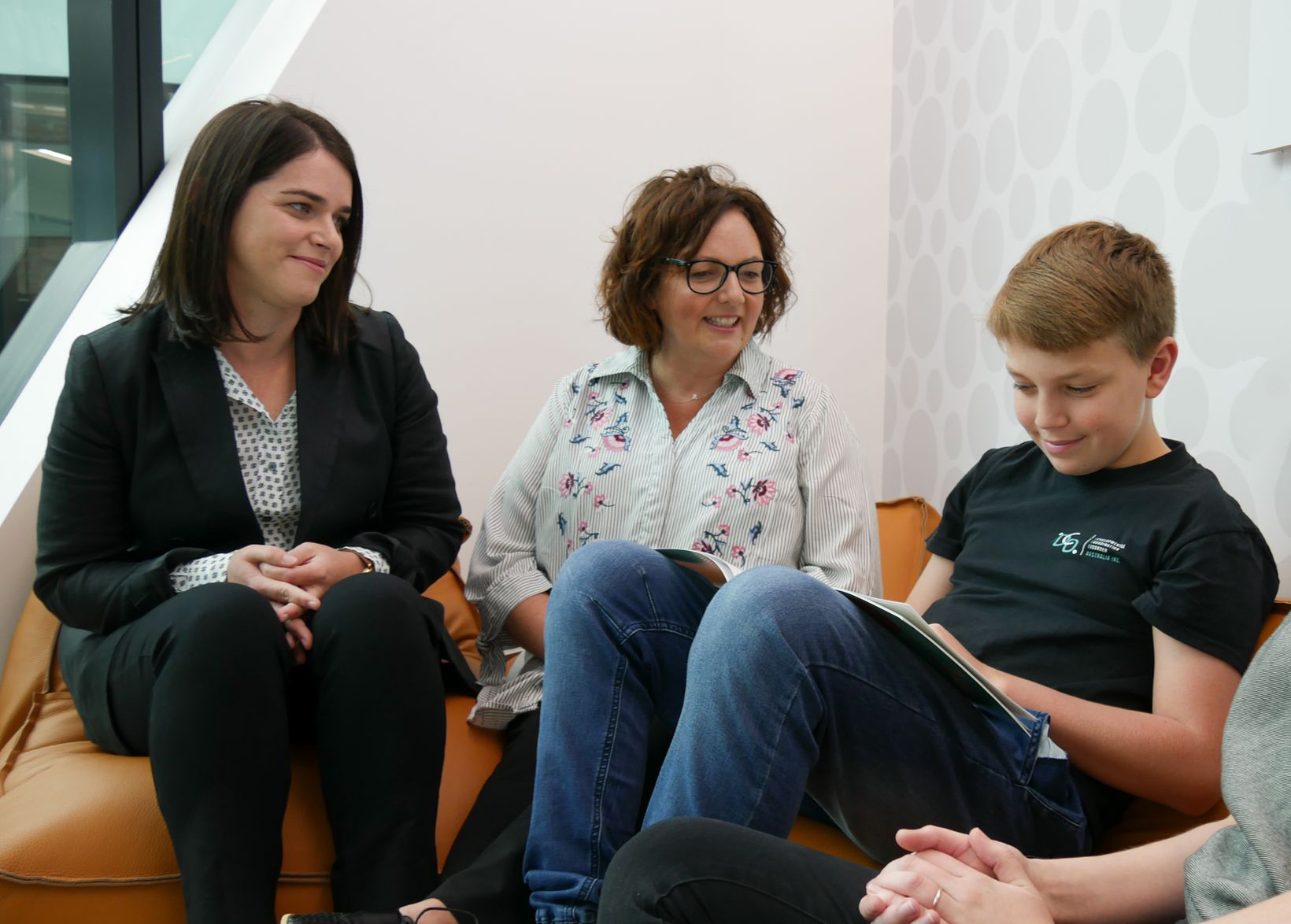
A new report released by The Kids Research Institute Australia in collaboration with Victoria University has revealed the significant social and emotional toll of Developmental Coordination Disorder (DCD).
Ambient heat exposure during pregnancy is associated with adverse outcomes, and adverse neurodevelopmental outcomes are an emerging concern. This scoping review synthesises human and animal evidence on the association between prenatal ambient heat exposure and poor neurodevelopmental outcomes.
The aim of this study was to identify and prioritise the ten most important unanswered themes in rare disease research in Australia by integrating perspectives of key stakeholders, including people living with rare disease, parents/carers, health professionals, and rare disease community advocates.

The benefits of owning a dog start even earlier than previously thought show new research from The Kids Research Institute Australia.

Director of CliniKids, Professor Andrew Whitehouse, and Professor Murray Maybery, have been identified as the world’s most frequent autism research collaborators of the decade.

In Western Australia we have so far been remarkably successful in flattening the curve and preventing the community spread of COVID-19.

Western Australia has been highly successful at containing community spread of COVID-19 to date.
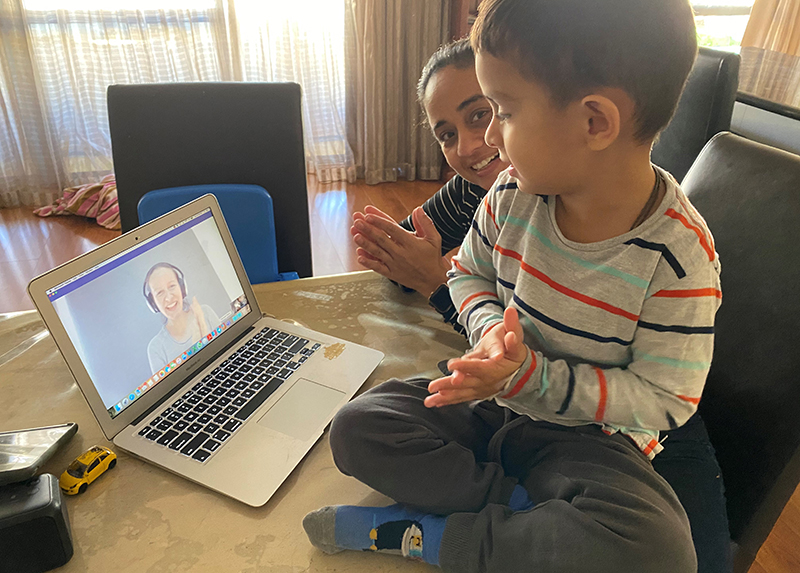
The CliniKids team has reimagined how allied health services for children with autism spectrum disorder or developmental delays are delivered.

In an Australian-first study, researchers at The Kids Research Institute Australia are investigating the effects of COVID-19 on the wellbeing of more than 2,000 families in the northern suburbs of Perth, measuring their perceived stress, financial hardship and family functioning during the pandemic.

Engaging activities to help families keep kids happy and healthy during social isolation are available in an Australian app underpinned by the latest child development science.

Nutrition is important during the COVID-19 pandemic because it can provide both physical and mental health benefits.

With COVID-19 being a major issue this year, is it still important to have a flu vaccine? And why have school aged children been included for a free vaccine?