
Search
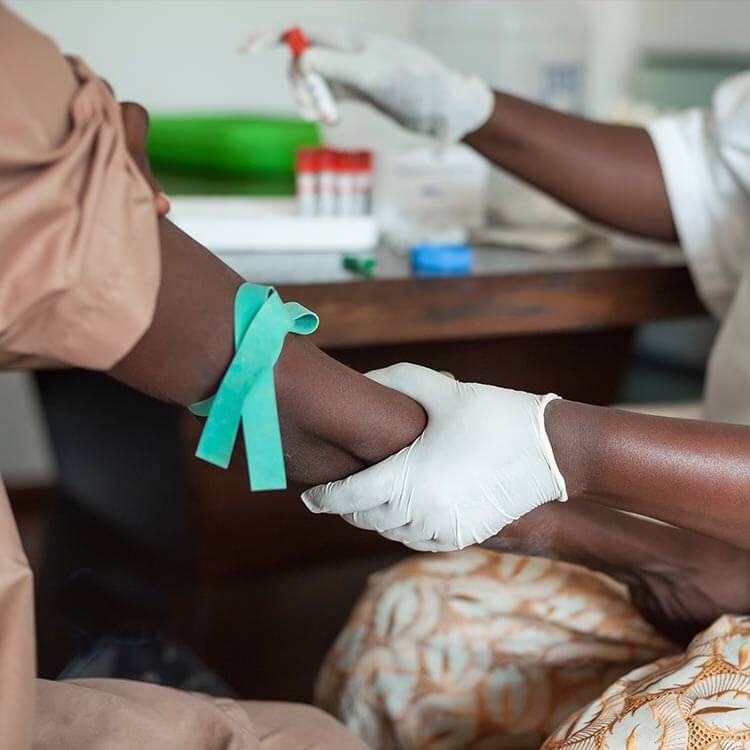
This study investigated host gene expression in response to new HIV infection.
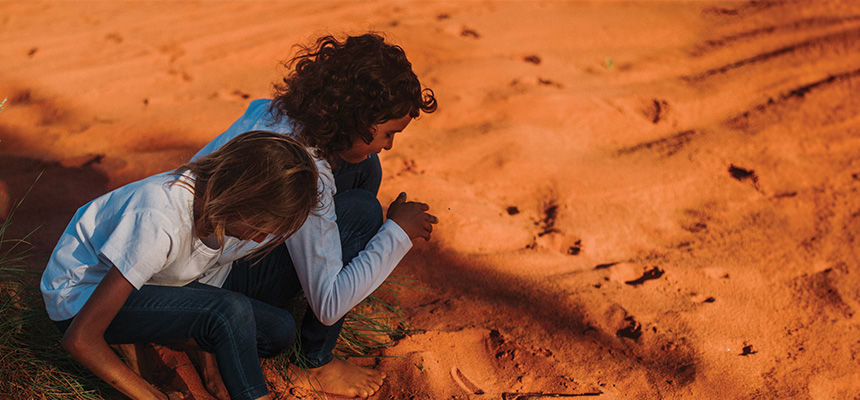
Aboriginal families and communities have endured the imposition of countless ‘solutions’ and had to live with the consequences of these ineffective initiatives. Those consequence are sadly evident in the unrelenting gap in outcomes for Aboriginal kids, compared with other Australian children.
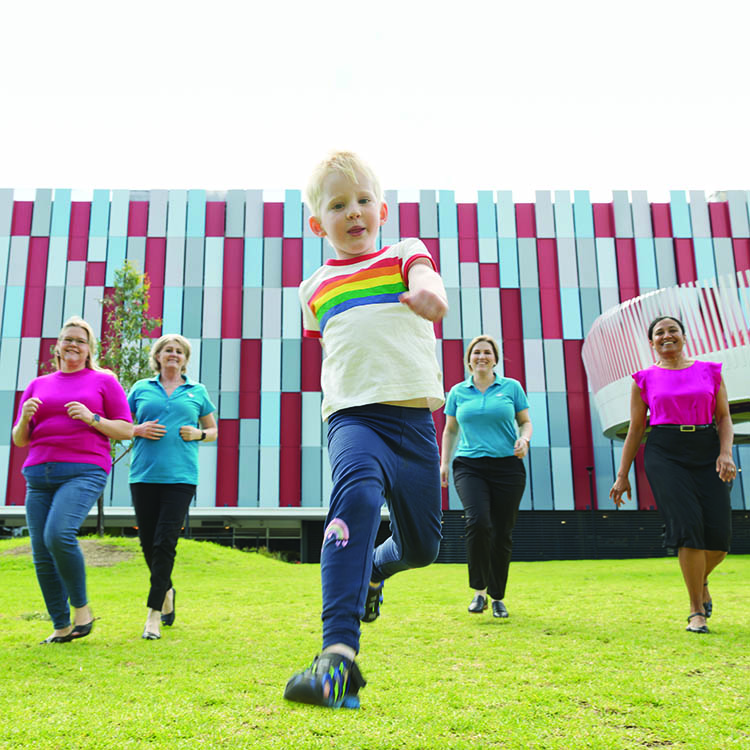
A world-first study led by Dr Aveni Haynes at The Kids’ Rio Tinto Children’s Diabetes Centre, is helping to detect early changes in blood sugar levels.
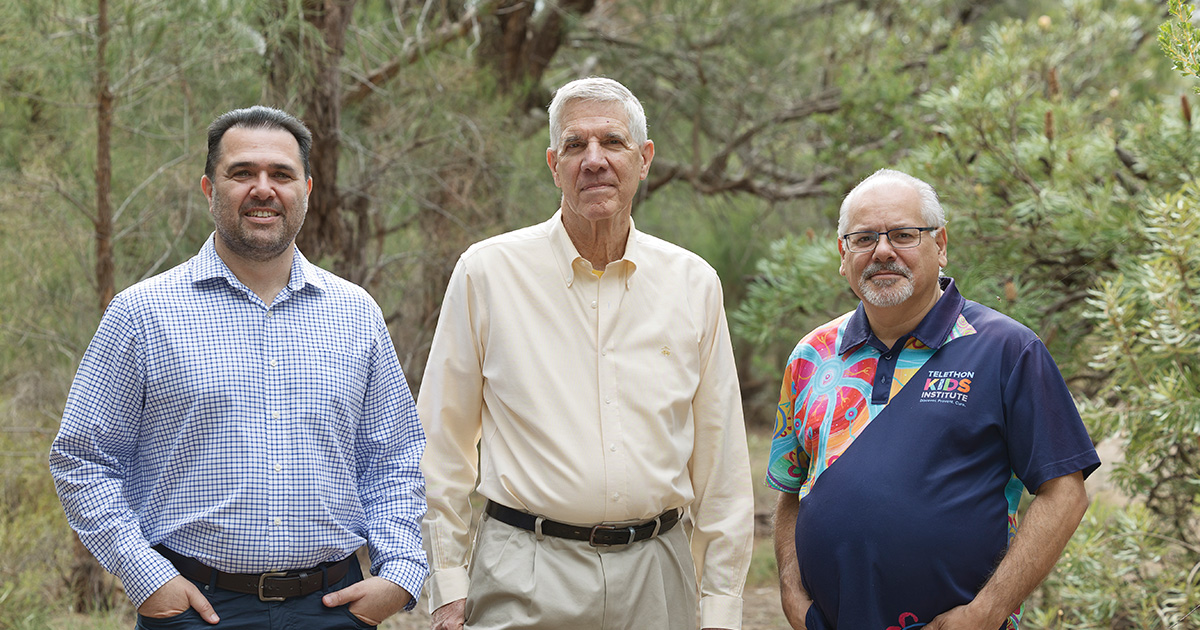
In 1998, The Kids Research Institute Australia embarked on one of the most ambitious population health projects in Western Australian history.
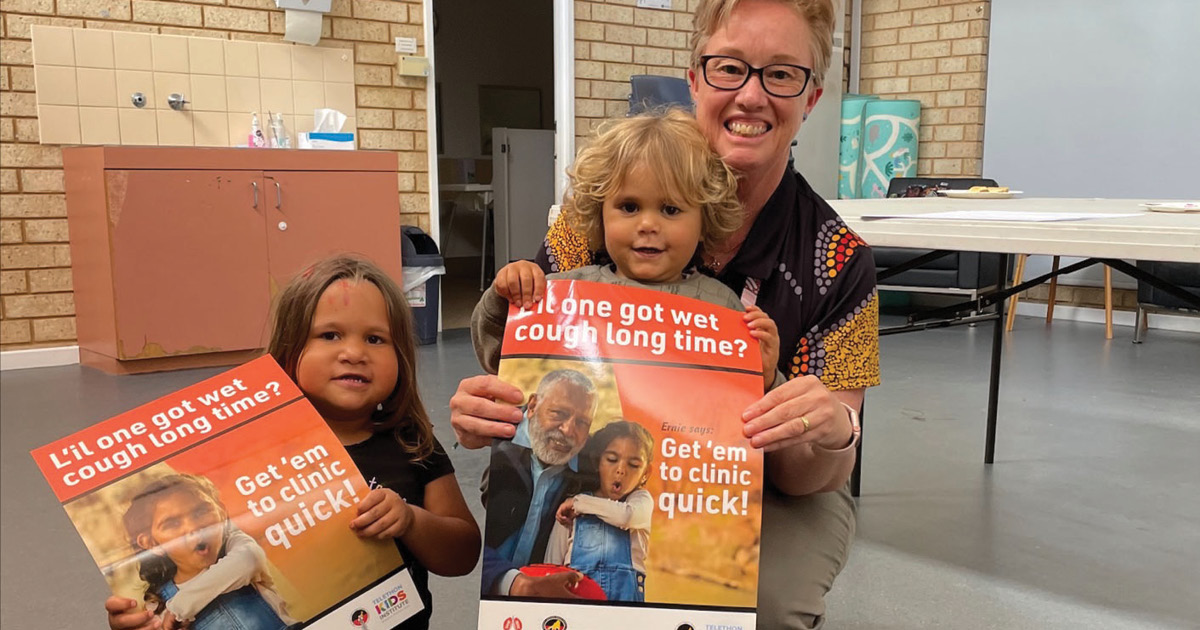
A program aimed at raising awareness of the dangers of a chronic wet cough in Aboriginal children has been extended to 14 remote and regional towns in Western Australia - thanks to a partnership between The Kids Research Institute Australia and Cystic Fibrosis WA.
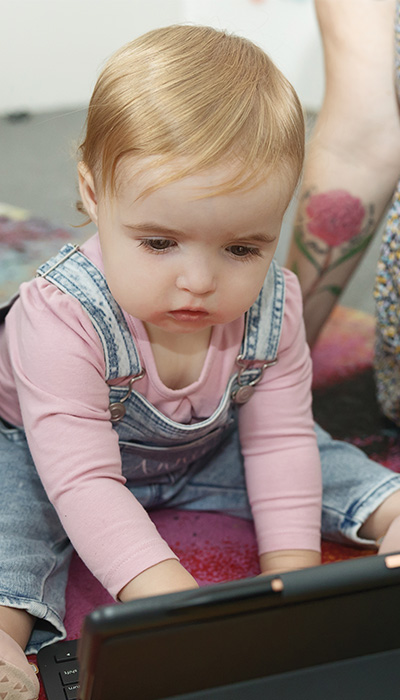
A The Kids Research Institute Australia study has found the average six-month-old Australian baby has more than one hour of screen time each day.
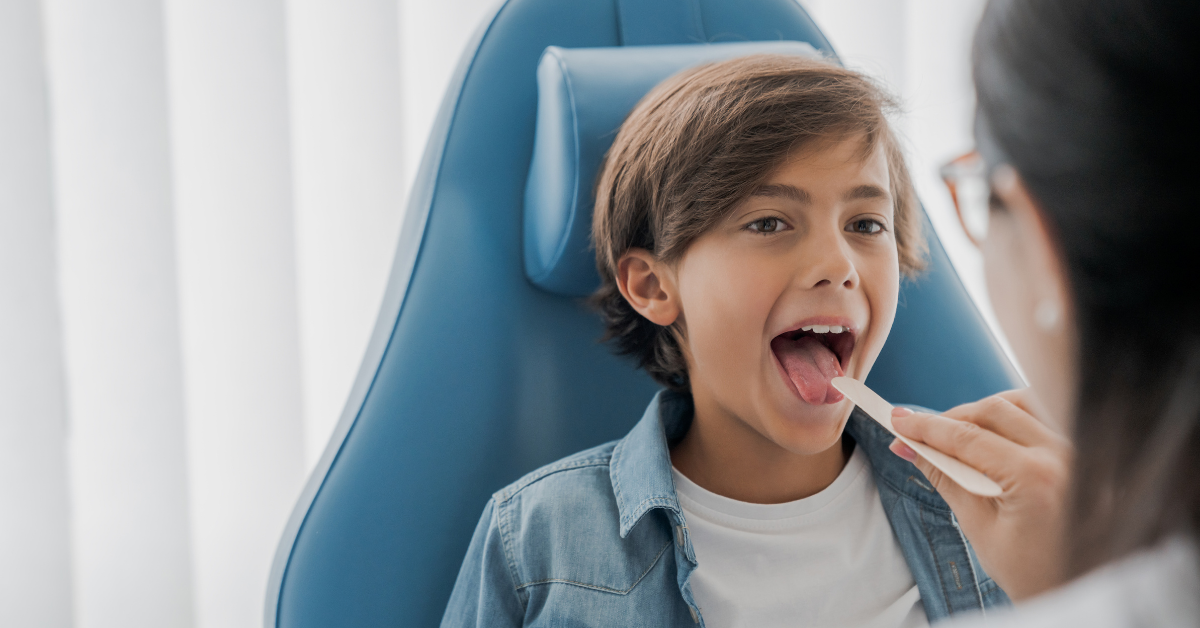
The Institute has become one of the world’s leading Strep A hubs, with multiple teams working in the Institute’s END RHD Program, headed by Associate Professor Asha Bowen, working to understand how Strep A works and find better ways to prevent and control the diseases it causes.
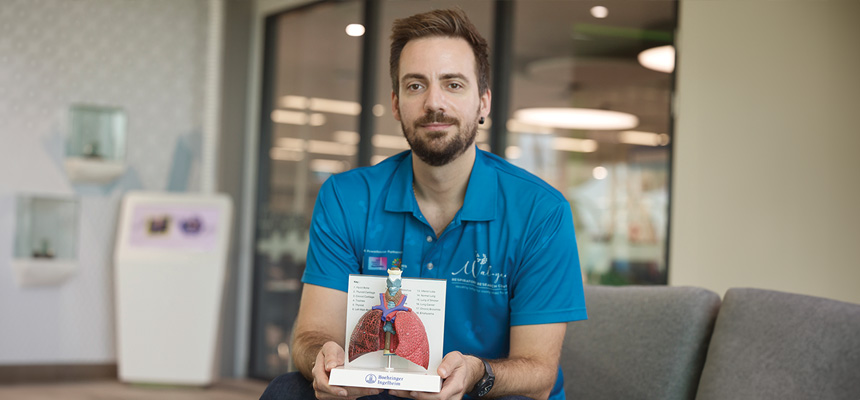
An exciting study is investigating whether a new therapeutic treatment for asthma will protect young sufferers from ongoing lung damage and improve their long-term health outcomes.
Asha Jacinta Bernadette Bowen Walton Ricciardo BA MBBS DCH FRACP PhD GAICD FAHMS OAM MBBS (hon) DCH FACD Head, Healthy Skin and ARF Prevention
Allogeneic hematopoietic stem cell transplant (HSCT) is a proven curative therapy for children with high-risk myeloid malignancies. Disease relapse, transplant-related mortality and graft versus host disease (GvHD) are the main causes of treatment failure and death post-transplant. The optimum pretransplant conditioning regimen is yet to be defined. There is limited data regarding the use of busulfan, fludarabine and melphalan as a myeloablative conditioning regimen in children receiving HSCT for myeloid malignancies.