
Search
Showing results for "clinikids"
Evidence suggests that the earlier supports are provided to young Autistic children, the better the overall outcomes. Supports have typically only been available after an autism diagnosis but with increased knowledge about early developmental trajectories, clinical supports can now be offered prediagnosis for infants showing early autism features and/or those with a family history of autism.
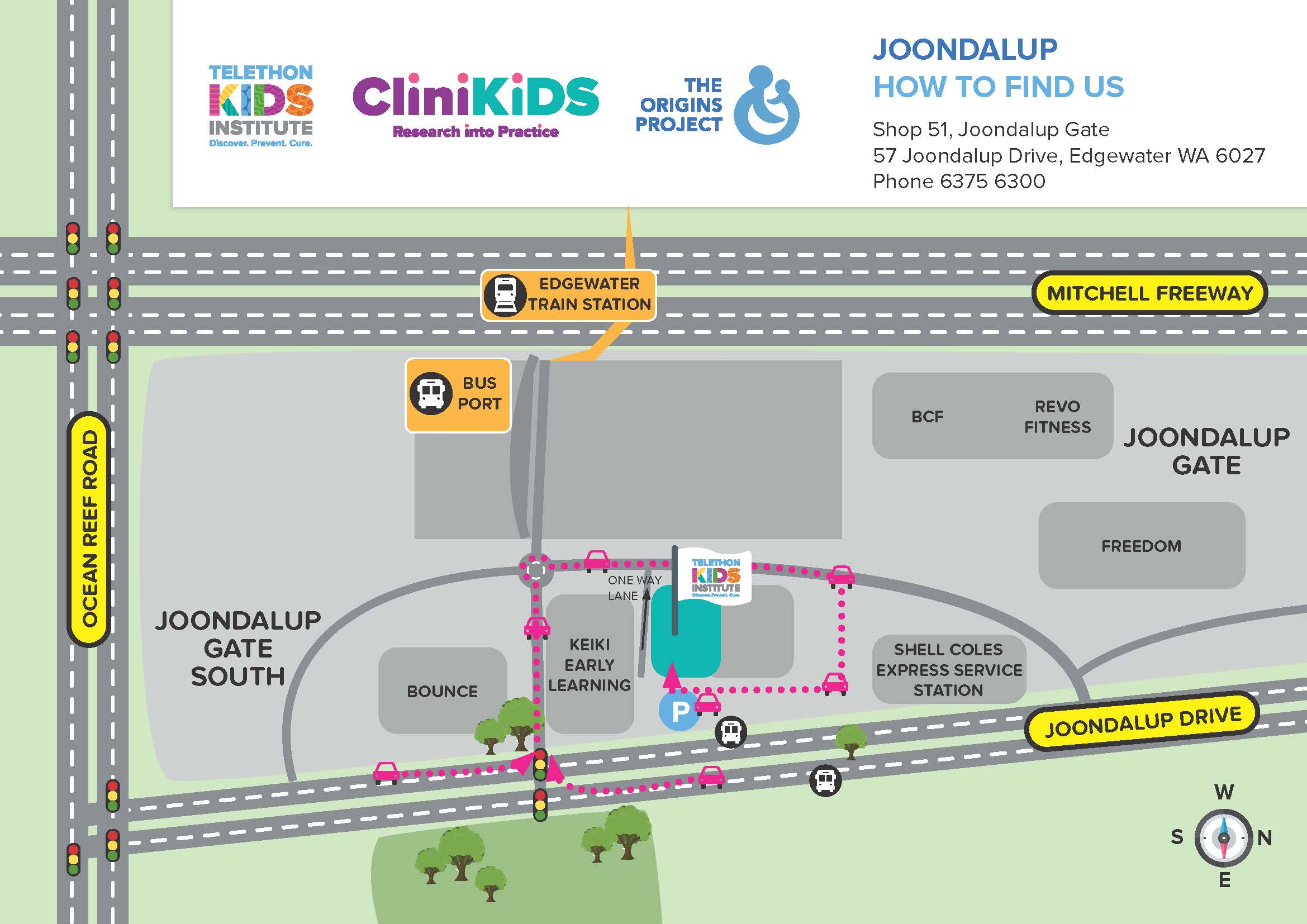
The Kids Joondalup will be the new home for the ORIGINS research and data teams
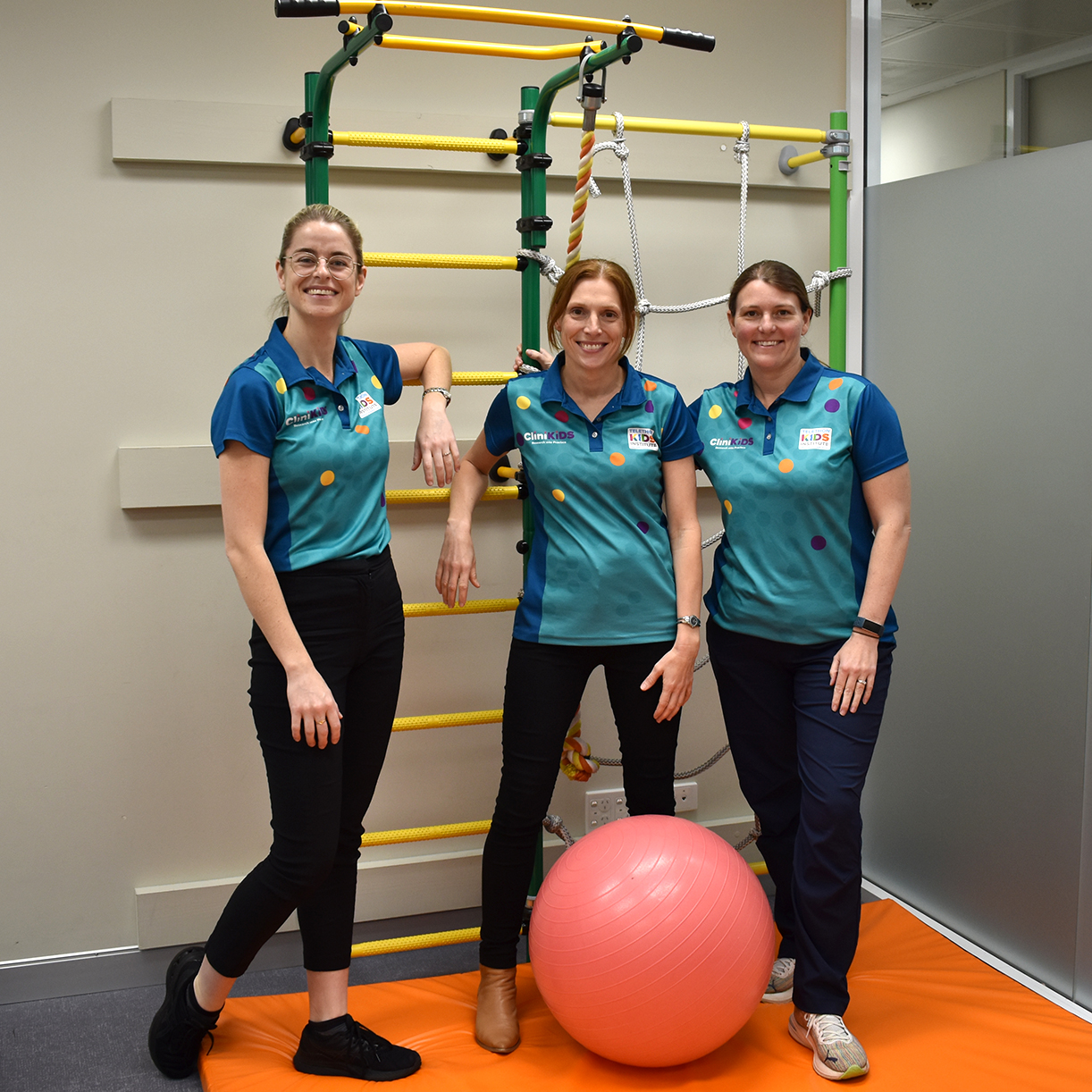
To celebrate World Occupational Therapy (OT) day, we asked our Occupational Therapists to describe what OT means to them.
There is lots of news to report from the clinic including holiday shutdown dates, staff updates and service availability.
Intervention for individuals with autism spectrum disorder (ASD) typically commences after diagnosis. No trial of an intervention administered to infants before diagnosis has shown an effect on diagnostic outcomes to date.
To evaluate the participation difficulties experienced by children with developmental coordination disorder in home, school, and community environments.
Video technology is helping researchers learn more about the earliest features of autism, and in turn is helping families gain access to better interventions.
Andrew Kandice Matt Melissa Videos Whitehouse Watch and listen to Andrew Varcin Cooper Licari PhD M.Psych (Clinical), PhD BCA Marketing, BSc
There are no well-established biomedical treatments for the core symptoms of autism spectrum disorder (ASD). A small number of studies suggest that repetitive transcranial magnetic stimulation (rTMS), a non-invasive brain stimulation technique, may improve clinical and cognitive outcomes in ASD.
These data provide the first evidence for a broad autism phenotype expressed in a physical characteristic