

September marks the three-month milestone of an intensive health promotion campaign in the East Kimberley region, which aims to raise awareness of th…
Children typically experience more mild symptoms of Coronavirus Disease 2019 (COVID-19) when compared to adults. There is a strong body of evidence t…
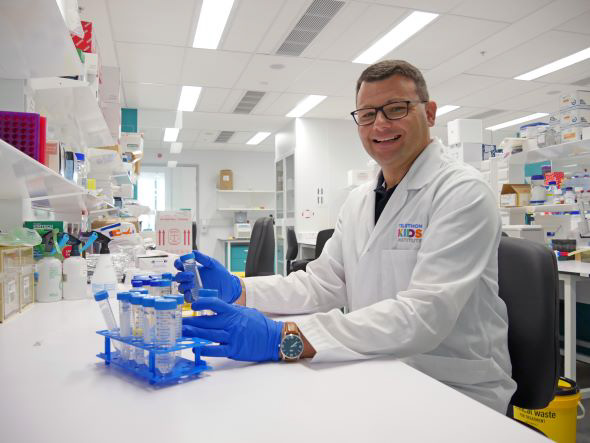
Nearly 50 existing prescription medications already used by Australians will be tested by new research in the fight against COVID’s mutant variants.
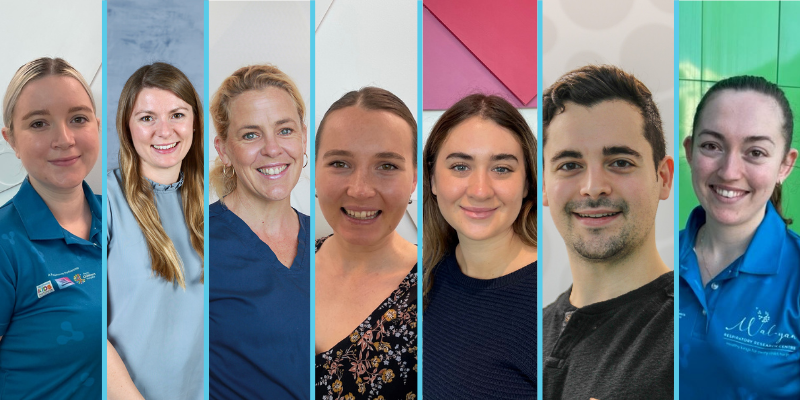
A large contingent of researchers from the Wal-yan Respiratory Research Centre are heading to Spain in September to participate in the European Respi…
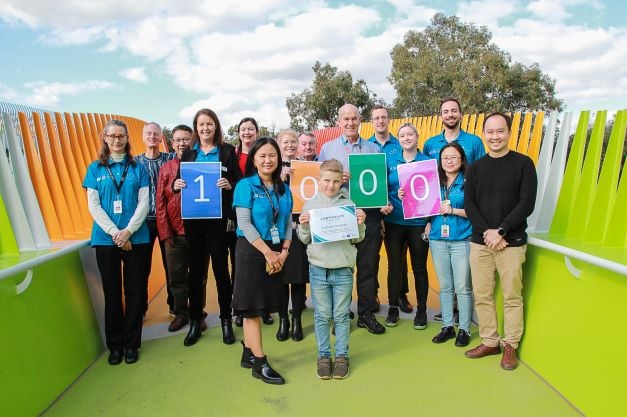
The MAVRIC (Mechanisms of Acute Viral Respiratory Infection in Children) study recently celebrated the recruitment of the 1000th participant to the s…

Analysis of worldwide research shows that despite advances in neonatal care, preterm babies have lower lung function throughout their life.

As the Wal-yan Respiratory Research Centre turns two, the Centre celebrates its achievements and thanks everyone involved in the work of the Centre.

Two outstanding researchers from the Wal-yan Respiratory Research Centre have been awarded Vertex Cystic Fibrosis (CF) Mentored Innovation Research A…
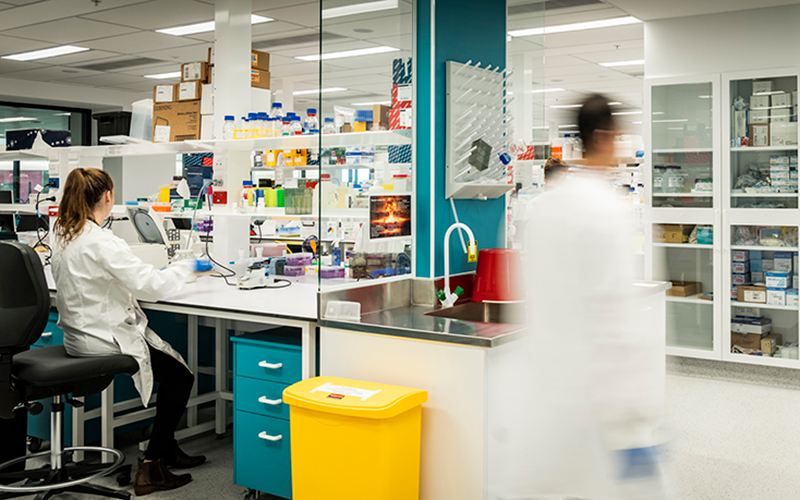
The Kids Research Institute Australia researchers will share in $2.3 million awarded by the Western Australian Department of Health Innovation Seed F…
Macrophages are the major resident immune cells in human airways coordinating responses to infection and injury. In cystic fibrosis, neutrophils are…