
Search
This study adapts the Multiple Streams Framework (MSF) to explore why COVID-19 vaccine mandates were applied at sectoral and subnational levels in Vietnam while the central government maintained that vaccination was voluntary. Document analysis reveals that these mandates arose from the effective coupling of the three streams—problem, policy, and politics—in a setting of authoritarian rule, where the streams function differently (and more uniformly) compared to democratic contexts.

It’s a brave move to upend your entire family to seek a fresh start – or safety – in a new country: even braver when the country you’re moving to has a completely different language, structure and cultural outlook.

Aboriginal families and communities have endured the imposition of countless ‘solutions’ and had to live with the consequences of these ineffective initiatives. Those consequence are sadly evident in the unrelenting gap in outcomes for Aboriginal kids, compared with other Australian children.
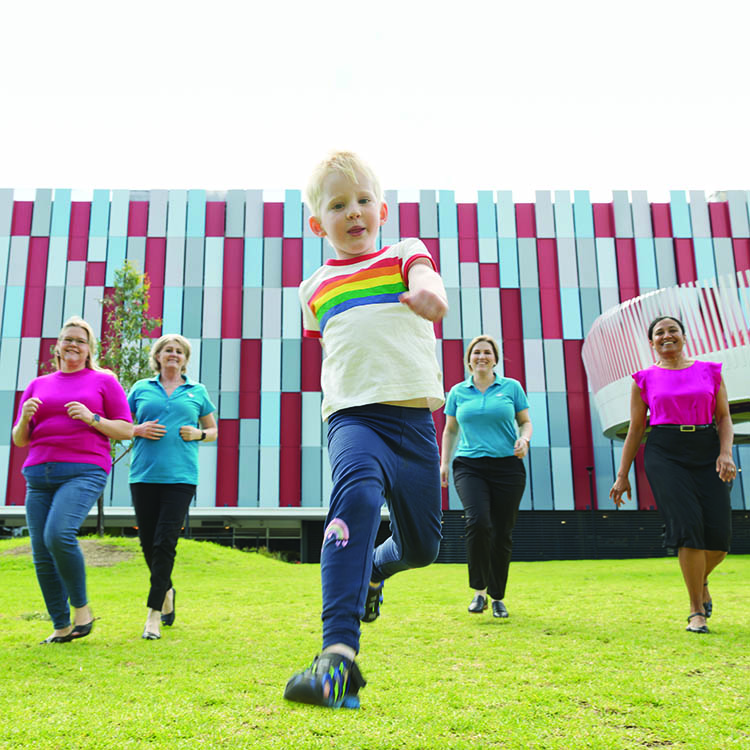
A world-first study led by Dr Aveni Haynes at The Kids’ Rio Tinto Children’s Diabetes Centre, is helping to detect early changes in blood sugar levels.
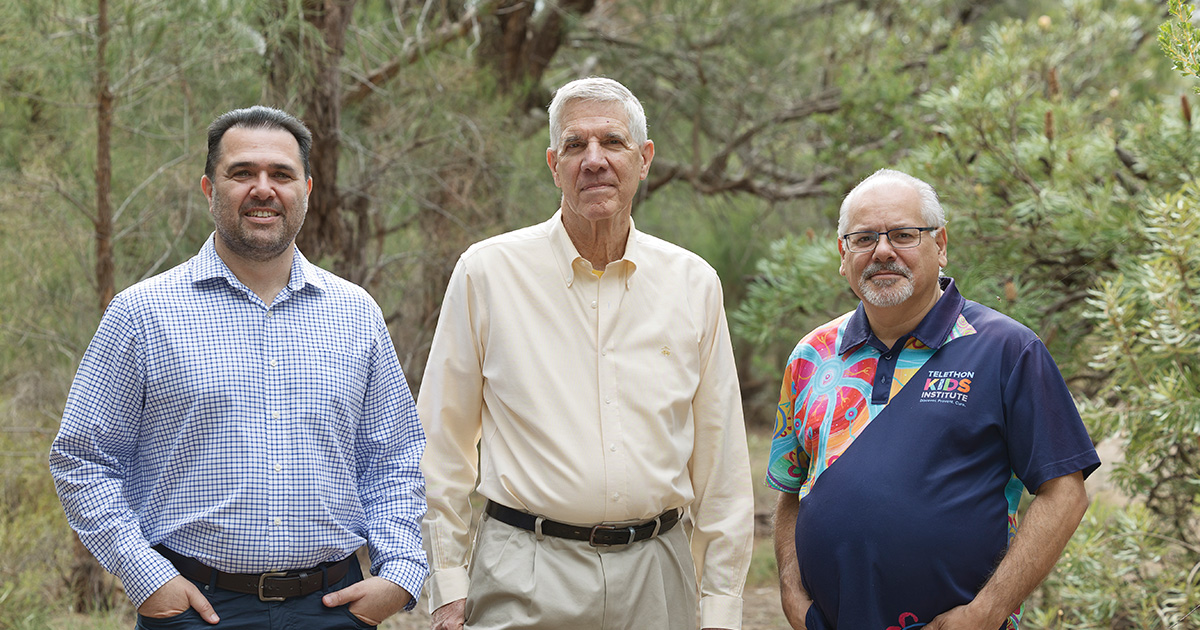
In 1998, The Kids Research Institute Australia embarked on one of the most ambitious population health projects in Western Australian history.

In late 2022, six-year-old Megan Hutton was living the dream of many kids her age as she celebrated being named runner-up champion athlete at her school sports carnival.

A The Kids Research Institute Australia study has found the average six-month-old Australian baby has more than one hour of screen time each day.

The Institute has become one of the world’s leading Strep A hubs, with multiple teams working in the Institute’s END RHD Program, headed by Associate Professor Asha Bowen, working to understand how Strep A works and find better ways to prevent and control the diseases it causes.

An exciting study is investigating whether a new therapeutic treatment for asthma will protect young sufferers from ongoing lung damage and improve their long-term health outcomes.
Respiratory syncytial virus (RSV) is a significant cause of respiratory infections in young children. Since 2021, RSV has been a notifiable disease in Australia. However, current surveillance systems focus on hospitalised RSV, with limited surveillance at a community level through primary care clinics. This approach only captures RSV requiring hospitalisation. Less severe illnesses, while not captured, may have significant social and economic impacts including the associated cost of care and absenteeism. The aim of this study is to establish an understanding of the broader burden of RSV in young children in a community setting.