
Search
Showing results for "Study of bullying"
A clinically significant history of fracture in combination with low bone densitometry findings is necessary for a diagnosis of osteoporosis in Rett Syndrome
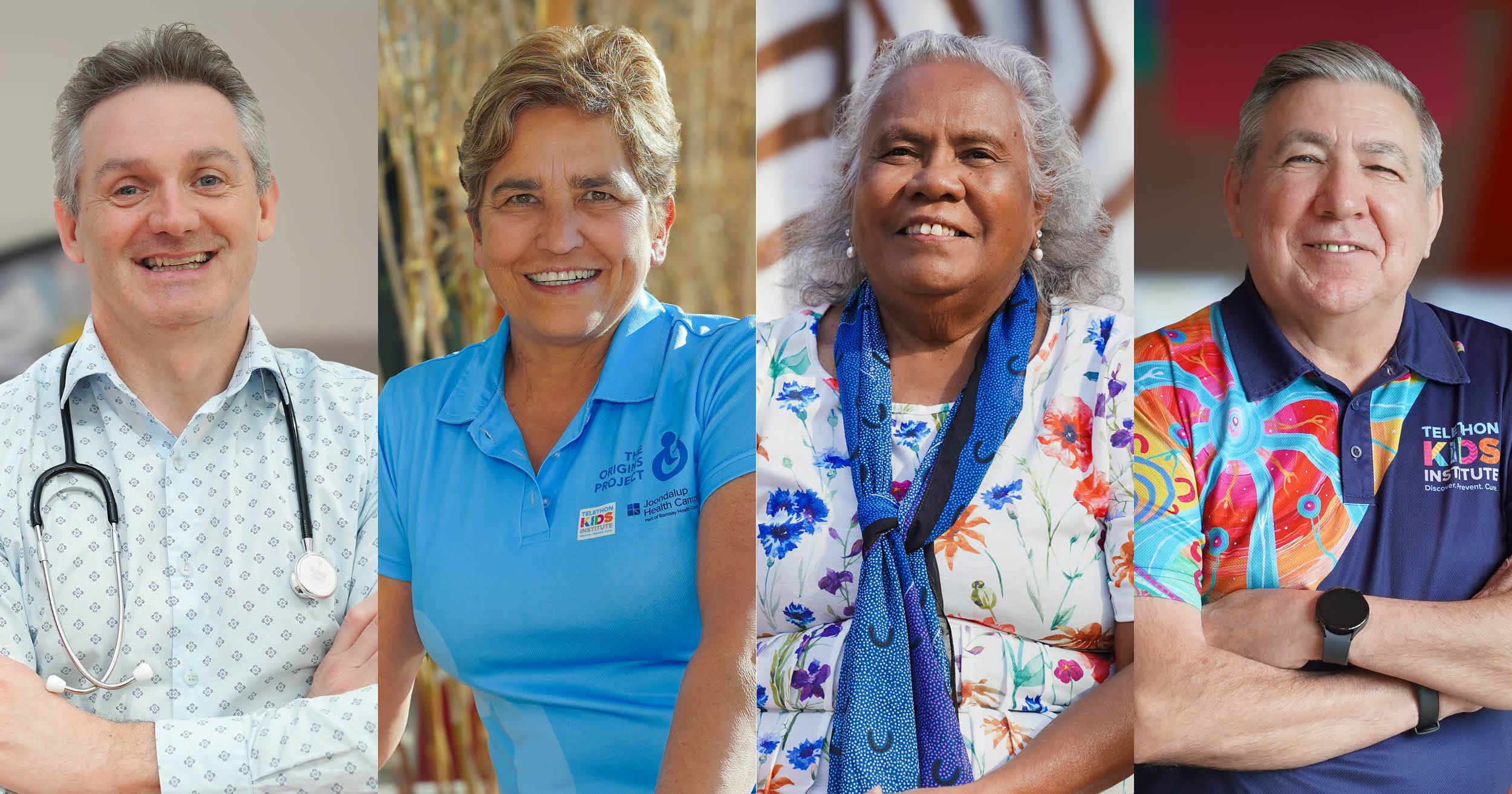
Four outstanding members of The Kids Research Institute Australia family have been named as finalists in the 2024 Western Australian of the Year Awards.
If the gut becomes damaged it may not be able to process the foods that we eat as well as it used to. This may also affect how we look after diabetes.
Rheumatic heart disease (RHD) after group A streptococcus (GAS) infections is heritable and prevalent in Indigenous populations. Molecular mimicry between human and GAS proteins triggers proinflammatory cardiac valve-reactive T cells.
We found that algorithms reduced the amount of missing data and improved within‑individual consistency.
Australian adults who are Not in Employment, Education or Training (NEET) represent a significant proportion of income support recipients, yet little is known about them.
Automated insulin delivery (AID) improves glycemia in people with type 1 diabetes (T1D). However, concern remains about early worsening of diabetic retinopathy (EWDR) following rapid and large glycemic improvements. This study evaluated diabetic retinopathy (DR) outcomes in adolescents and young adults with T1D (aged 10-30 years) following AID initiation.
There is limited evidence on heterogenous co-developmental trajectories of internalizing and externalizing problems from childhood to adolescence and predictors of these joint trajectories. We utilized longitudinal data from Raine Study participants to identify these joint trajectories from 5 to 17 years using parallel-process latent class growth analysis and analyze childhood individual and family risk factors predicting these joint trajectories using multinomial logistic regression.
Aboriginal and Torres Strait Islander people do not enjoy equal access to specialist health services that adequately meet their needs. Clinical genetics services are at the vanguard of realising the health benefits of genomic medicine. As the field continues to expand in clinical utility and implementation, it is critical that Aboriginal and Torres Strait Islander people are able to participate and benefit equally to avoid further widening of the existing health gap. This is the first study to explore barriers to accessing clinical genetics services among Aboriginal and Torres Strait Islander people, which has been acknowledged as a key strategic priority in Australian genomic health policy.
Children and adolescents with Intellectual Disability experience a worse Quality-of-Life (QoL) relative to typically developing peers. Thus, QoL evaluation is important for identifying support needs and improving rehabilitation effectiveness. Nevertheless, currently in Italy there are not tools with this scope. This study aims to translate and cross-culturally adapt the Quality-of-Life Inventory-Disability into Italian.