
Search
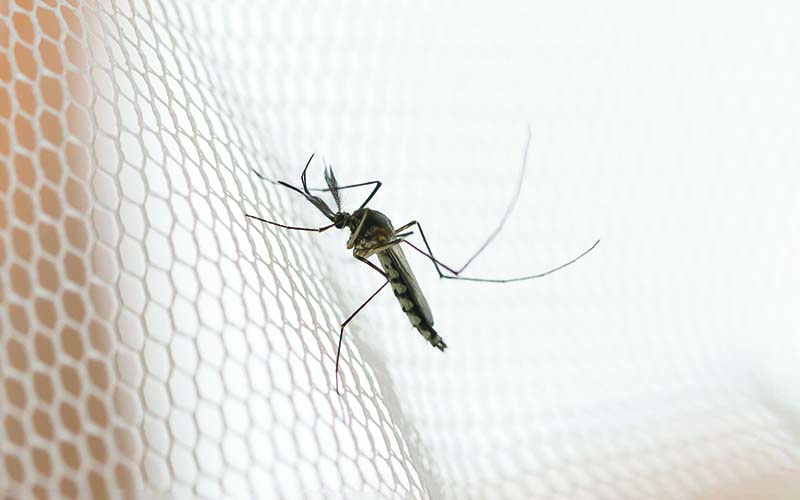
Global efforts led by The Kids Research Institute Australia’s Child Health Analytics program will see nations impacted by high rates of malaria empowered to develop their own controls and solutions.
Research
A Scoping Review of Digital Interventions Targeting Anxiety in Young ChildrenAnxiety is a leading mental health concern in childhood. Whilst a range of therapeutic approaches effectively reduce anxiety in young children, several barriers impact their implementation into practice. Digital interventions could help overcome some of these challenges; however, whether these can effectively target anxiety for children with and without Neurodevelopmental Conditions is unknown.
Research
Prioritizing high-risk populations for soil-transmitted helminth control in the Western Pacific RegionTo achieve targets set within the 2030 Sustainable Development Agenda and the 2021–2030 Neglected Tropical Diseases (NTD) Roadmap, the World Health Organization identify the need for improved data analytics to inform NTD control programs.
Research
Co-design of school-based strategies and supports for Aboriginal and Torres Strait Islander youth living with type 2 diabetes: A qualitative studyYouth-onset type 2 diabetes is an emerging condition impacting Indigenous populations worldwide. Schools have an important role in supporting students to manage their health. We undertook a qualitative study to (i) explore the lived experience of type 2 diabetes, diabetes management and support in school environments and (ii) co-design recommendations for age-appropriate, culturally safe school-based strategies and supports. Interviews and focus groups were undertaken with Aboriginal and Torres Strait Islander youth, caregivers, health professionals and school-based staff. Aboriginal and Torres Strait Islander youth were involved in determining the research topic.
Research
Children's Anxiety in the Perioperative Environment: A Qualitative Exploration With Children, Parents and Staff at a Tertiary Paediatric HospitalPerioperative anxiety is a common and distressing aspect of anaesthesia for many children, resulting in management challenges at the time of anaesthesia and potential physical and psychological adverse outcomes. We conducted this qualitative phenomenological study to explore the perspectives of children, parents and staff on perioperative anxiety in our institution. Planned recruitment was 20 each of children who had undergone elective anaesthesia, their parents and staff.
Research
Impact of pediatric anesthesia management on cancer outcomes in children—a narrative reviewThe relationship between anesthetic technique and pediatric oncological outcomes is an emerging field of interest. With significant improvements in childhood cancer survival in recent decades, there is an increased focus on optimizing the quality of survival and reducing the incidence of metastasis and recurrence. The aim of this narrative review article is to investigate and consolidate the current available evidence assessing the immunomodulatory effects of anesthesia in the pediatric oncology population.
Research
Collecting behavioural data across countries during pandemics: Development of the COVID-19 Risk Assessment ToolTools that can be used to collect behavioural data during pandemics are needed to inform policy and practice. The objective of this project was to develop the Your COVID-19 Risk tool in response to the global spread of COVID-19, aiming to promote health behaviour change. We developed an online resource based on key behavioural evidence-based risk factors related to contracting and spreading COVID-19. This tool allows for assessing risk and provides instant support to protect individuals from infection.
Research
Missed Opportunities for Diagnosing Acute Rheumatic FeverWe have read with interest the new publication by Rouhiainen and colleagues on missed opportunities for preventing or diagnosing acute rheumatic fever (ARF).
Research
Development and Validation of a Stability-Indicating RP-HPLC Method for Edaravone QuantificationEdaravone is used to treat motor neurone disease (MND) by slowing disease progression and prolonging survival time. Currently, it is available as an IV infusion (Radicava®, Jersey City, NJ, USA) and an oral liquid suspension (Radicava ORS®, Jersey City, NJ, USA). Development of novel edaravone formulations is still an active field of research that requires a validated stability-indicating assay capable of providing specific, precise, and accurate quantification of edaravone content.
Research
Physical activity interventions for the promotion of mental health outcomes in at-risk children and adolescents: a systematic reviewMany young people are exposed to risk factors that increase their risk of mental illness. Physical activity provision is an increasingly popular approach to protect against mental illness in the face of these risk factors. We examined the effectiveness of physical activity interventions for the promotion of mental health outcomes in at-risk children and adolescents.