
Search
Showing results for "Au"
Research
Initial Validation and Reliability of the CDKL5 Deficiency Disorder Hand Function Scale (CDD-Hand)Pathogenic variants in the CDKL5 gene result in CDKL5 deficiency disorder (CDD), which is characterized by early-onset epilepsy, severe developmental delay, and often, cortical visual impairment. Validated clinical outcome measures are needed for future clinical trials to be successful. This study aimed to adapt the Rett Syndrome Hand Function Scale for CDKL5 deficiency disorder and evaluate its feasibility, acceptability, content validity, and reliability.
Research
Negative impact of insomnia and daytime sleepiness on quality of life in individuals with the cyclin-dependent kinase-like 5 deficiency disorderCyclin-dependent kinase-like 5 (CDKL5) gene pathogenic variants result in CDKL5 deficiency disorder (CDD). Early onset intractable epilepsy and severe developmental delays are prominent symptoms of CDD. Comorbid sleep disturbances are a major concerning symptom for families.
Research
Parent-observed thematic data on quality of life in children with autism spectrum disorderParent observations provide an initial framework for understanding quality of life in autism spectrum disorder
Research
The Interseasonal Resurgence of Respiratory Syncytial Virus in Australian Children Following the Reduction of Coronavirus Disease 2019-Related PublicFollowing the end of winter, there has been a persistent absence of severe acute respiratory syndrome coronavirus 2 community transmission and no increase in influenza detections. Limited physical distancing measures have remained in place, with largely no restrictions on gathering sizes and no mandate for wearing masks.
Research
Conventional Therapies Deplete Brain-Infiltrating Adaptive Immune Cells in a Mouse Model of Group 3 Medulloblastoma Implicating Myeloid Cells as Favorable Immunotherapy TargetsMedulloblastoma is the most common childhood brain cancer. Mainstay treatments of radiation and chemotherapy have not changed in decades and new treatment approaches are crucial for the improvement of clinical outcomes. To date, immunotherapies for medulloblastoma have been unsuccessful, and studies investigating the immune microenvironment of the disease and the impact of current therapies are limited.
Research
Validating the rett syndrome gross motor scaleThe Rett Syndrome Gross Motor Scale could be an appropriate measure of gross motor skills in clinical practice and clinical trials
Research
Healthy skin for children and young people with skin of colour starts with clinician knowledge and recognition: a narrative reviewSkin conditions most frequently encountered in paediatric practice include infections, infestations, atopic dermatitis, and acne. Skin of colour refers to skin with increased melanin and darker pigmentation, and reflects global racial and ethnic diversity. Managing skin conditions in skin of colour requires health equity nuance, which is rarely explicitly taught.
Research
The Unintended Impact of COVID-19 Associated Non-Pharmaceutical Interventions on Paediatric Hospital Admissions: An Interrupted Time Series AnalysisCOVID-19 related non-pharmaceutical interventions (NPIs) disrupted global healthcare utilisation, with notable declines in infection related paediatric hospitalisations. We aimed to identify non-infectious paediatric conditions for which the incidence of hospital admissions increased during the introduction and alleviation of NPIs in 2020.
News & Events
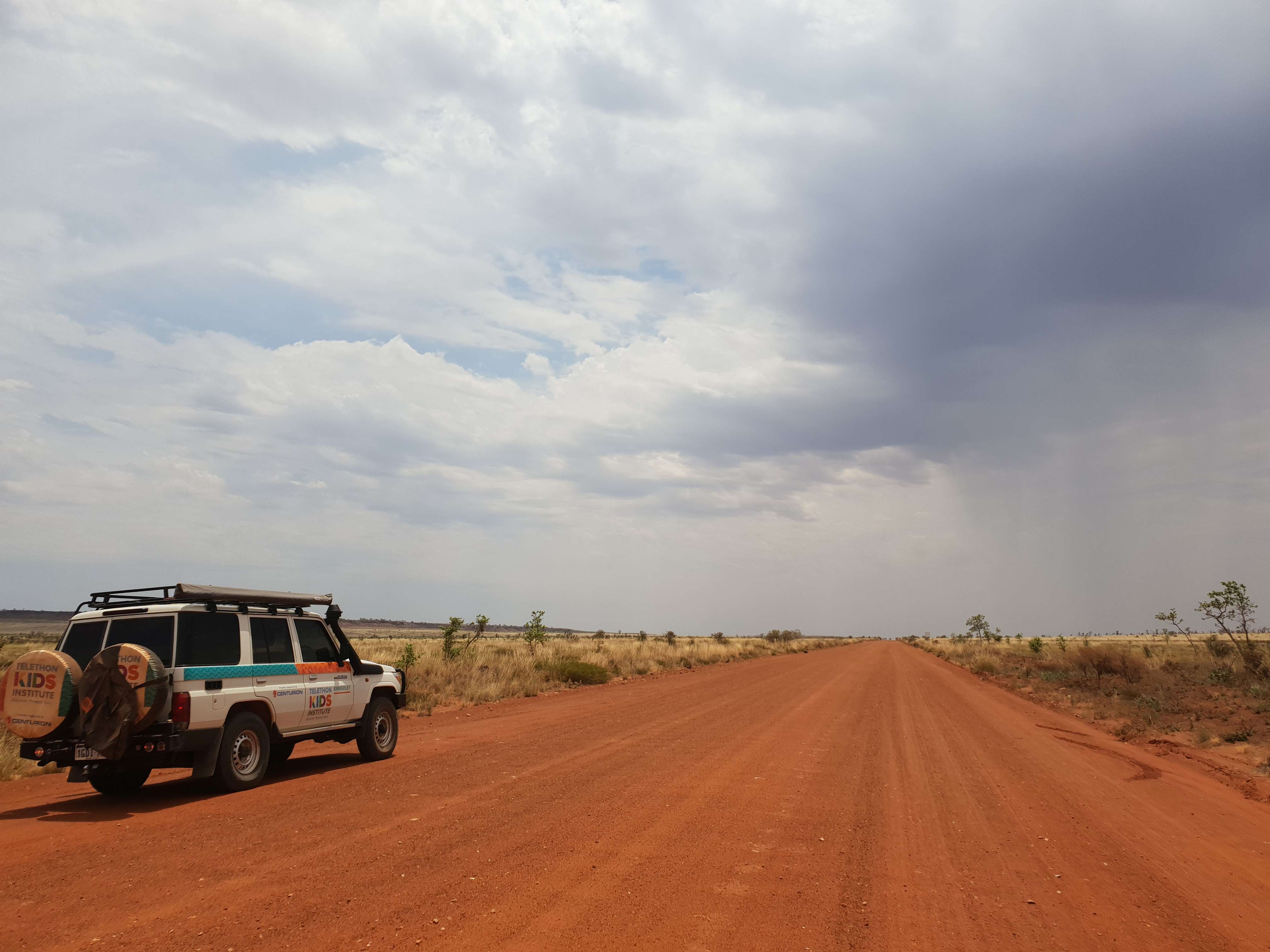
Landmark study halves skin infections in remote Aboriginal kidsLed by The Kids Research Institute Australia and Aboriginal health organisations in close partnership with nine Aboriginal communities in Western Australia’s Kimberley region, the five-year SToP Trial set out to identify the best possible methods to See, Treat and Prevent painful skin sores and scabies.
Research
Study Protocol for a Randomised Controlled Trial Investigating the Effects of Maternal Prebiotic Fibre Dietary Supplementation from Mid-Pregnancy to Six Months’ Post-Partum on Child Allergic Disease OutcomesInfant allergy is the most common early manifestation of an increasing propensity for inflammation and immune dysregulation in modern environments. Refined low-fibre diets are a major risk for inflammatory diseases through adverse effects on the composition and function of gut microbiota. This has focused attention on the potential of prebiotic dietary fibres to favourably change gut microbiota, for local and systemic anti-inflammatory effects.