
Search
Showing results for "Professor"
Research
The Comprehensive Autistic Trait Inventory (CATI): development and validation of a new measure of autistic traits in the general populationTraits and characteristics qualitatively similar to those seen in diagnosed autism spectrum disorder can be found to varying degrees in the general population. To measure these traits and facilitate their use in autism research, several questionnaires have been developed that provide broad measures of autistic traits [e.g. Autism-Spectrum Quotient (AQ), Broad Autism Phenotype Questionnaire (BAPQ)]. However, since their development, our understanding of autism has grown considerably, and it is arguable that existing measures do not provide an ideal representation of the trait dimensions currently associated with autism. Our aim was to create a new measure of autistic traits that reflects our current understanding of autism, the Comprehensive Autism Trait Inventory (CATI).
Research
The EU Child Cohort Network’s core data: establishing a set of findable, accessible, interoperable and re-usable (FAIR) variablesThe Horizon2020 LifeCycle Project is a cross-cohort collaboration which brings together data from multiple birth cohorts from across Europe and Australia to facilitate studies on the influence of early-life exposures on later health outcomes. A major product of this collaboration has been the establishment of a FAIR (findable, accessible, interoperable and reusable) data resource known as the EU Child Cohort Network. Here we focus on the EU Child Cohort Network's core variables.
Research
Mental health difficulties among trans and gender diverse young people with an autism spectrum disorder (ASD): Findings from Trans PathwaysRecent research highlights an overlap of gender diversity and autism spectrum disorders (ASD); however, data on individuals who are trans and also on the autism spectrum are largely from clinical samples and may not be representative of individuals who are trans with ASD in the general population. In addition, there is scant literature on the mental health of these individuals and their experiences in accessing gender-affirming care.
Research
Characteristics of TCR Repertoire Associated With Successful Immune Checkpoint Therapy ResponsesImmunotherapies have revolutionized cancer treatment. In particular, immune checkpoint therapy (ICT) leads to durable responses in some patients with some cancers. However, the majority of treated patients do not respond. Understanding immune mechanisms that underlie responsiveness to ICT will help identify predictive biomarkers of response and develop treatments to convert non-responding patients to responding ones. ICT primarily acts at the level of adaptive immunity. The specificity of adaptive immune cells, such as T and B cells, is determined by antigen-specific receptors.
Research
Methylome-wide association study of central adiposity implicates genes involved in immune and endocrine systemsWe conducted a methylome-wide association study to examine associations between DNA methylation in whole blood and central adiposity and body fat distribution, measured as waist circumference, waist-to-hip ratio and waist-to-height ratio adjusted for body mass index, in 2684 African-American adults in the Atherosclerosis Risk in Communities study.

News & Events
Funding boost for childhood cancer research projectsProjects to improve outcomes for leukaemia patients and reduce skin cancer rates in young Aboriginal people have received funding through Cancer Council WA.
News & Events
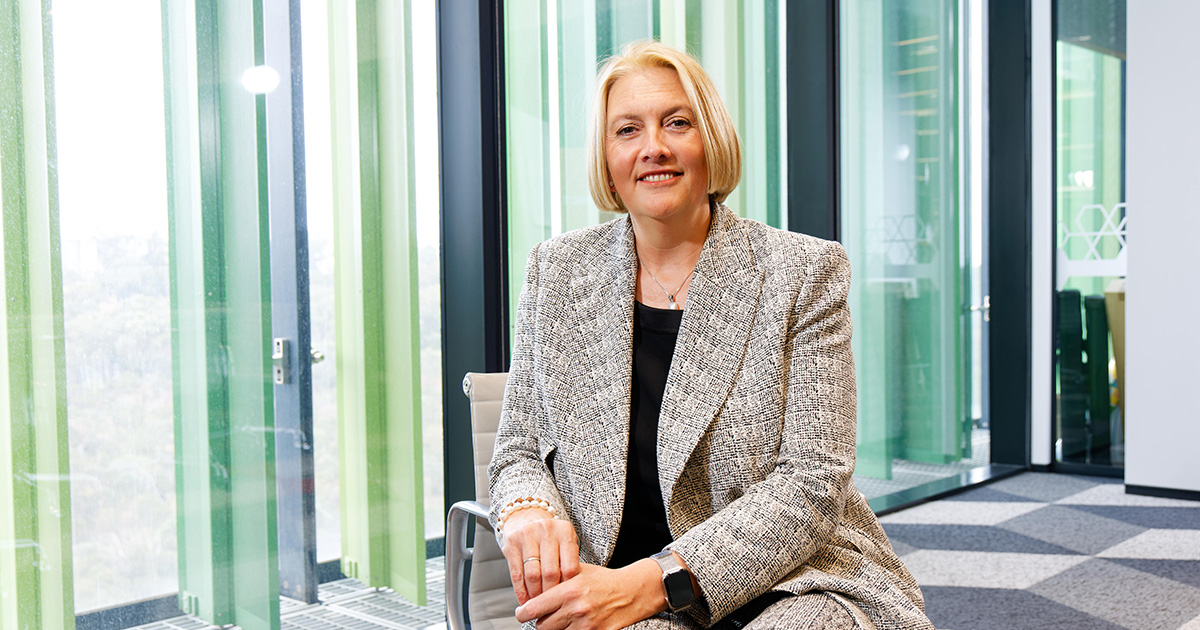
New Chair for The Kids Research Institute AustraliaBusiness leader Naomi Flutter has been appointed Chair of The Kids Research Institute Australia.

News & Events
The Kids researchers awarded Raine Medical Research Foundation fundingCongratulations to Dr Gail Alvares and Dr Rachel Foong, who have been awarded funding from the Raine Medical Research Foundation.
News & Events
New study exposes link between pesticides and childhood brain tumoursA new Telethon Institute study has revealed a potential link between pesticide treatments in the home and a higher risk of children developing brain tumours.
Research
A Family's Journey at JHC: Analyses of routinely collected dataDesiree Silva MBBS, FRACP, MPH, PhD Co-Director, ORIGINS desiree.silva@thekids.org.au Co-Head, The ORIGINS Project Professor Desiree Silva is