
Search
Consistent with the principles of differential privacy protection, the Australian Bureau of Statistics artificially perturbs all count data from the Australian Census prior to its release to researchers through the TableBuilder platform. This perturbation involves the addition of random noise to every non-zero cell count followed by the suppression of small values to zero.
Malaria is a significant public health concern in the Kingdom of Saudi Arabia (KSA). This study aimed to investigate the spatiotemporal distribution of malaria in the KSA between 2017 and 2021.
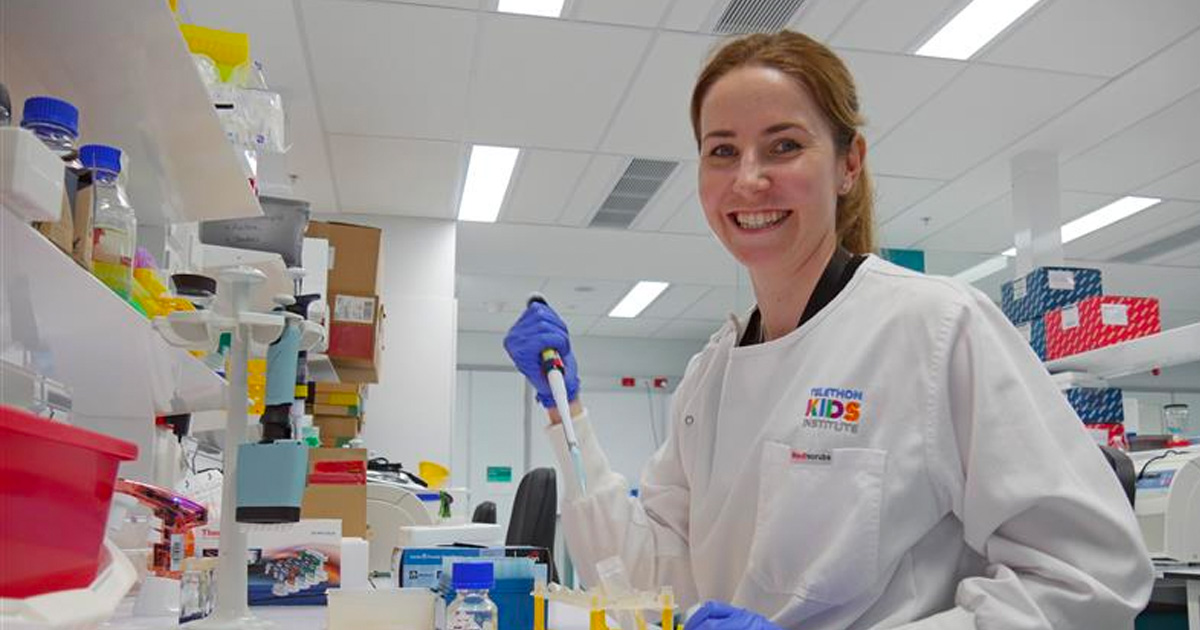
WA researchers hope to gain new insights into the way immune cells in the body trigger attacks of multiple sclerosis (MS), thanks to new funding from MS Australia.

Children who live in the outer suburbs of Australia’s four biggest cities are twice as likely to have asthma as those living in inner city areas, according to a new study based on health data captured in the last Australian Census.
Glycemia risk index (GRI) is a novel composite metric assessing overall glycemic risk, accounting for both hypoglycemia and hyperglycemia and weighted toward extremes. Data assessing GRI as an outcome measure in closed-loop studies and its relation with conventional key continuous glucose monitoring (CGM) metrics are limited.
To assess the level of supportive care needs of caregivers of colorectal cancer patients and explore the related key influencing factors. Totaling 283 caregivers of patients with colorectal cancer were investigated in this study.
This study explored mental health profiles in Australian school students using indicators of well-being (i.e., optimism, life satisfaction, and happiness) and psychological distress (i.e., sadness and worries). The sample included 75,757 students (ages 8-18 years) who completed the 2019 South Australian Wellbeing and Engagement Collection.
Cutaneous squamous cell carcinoma is a significant cause of morbidity for immunosuppressed patients such as organ transplant recipients; however, histological parameters which predict the likelihood of tumor progression are typically based on general population studies in which immunosuppressed patients represent only a small fraction of cases.
Acute leukemia continues to be a major cause of death from disease worldwide and current chemotherapeutic agents are associated with significant morbidity in survivors. While better and safer treatments for acute leukemia are urgently needed, standard drug development pipelines are lengthy and drug repurposing therefore provides a promising approach.
The most common cause of morbidity and mortality in children with severe cerebral palsy (CP) is respiratory disease. BREATHE-CP (Better REspiratory and Airway Treatment and HEalth in Cerebral Palsy) is a multidisciplinary research team who have conducted research on the risk factors associated with CP respiratory disease, a systematic review on management and a Delphi study on the development of a consensus for the prevention and management of respiratory disease in CP.