
Search
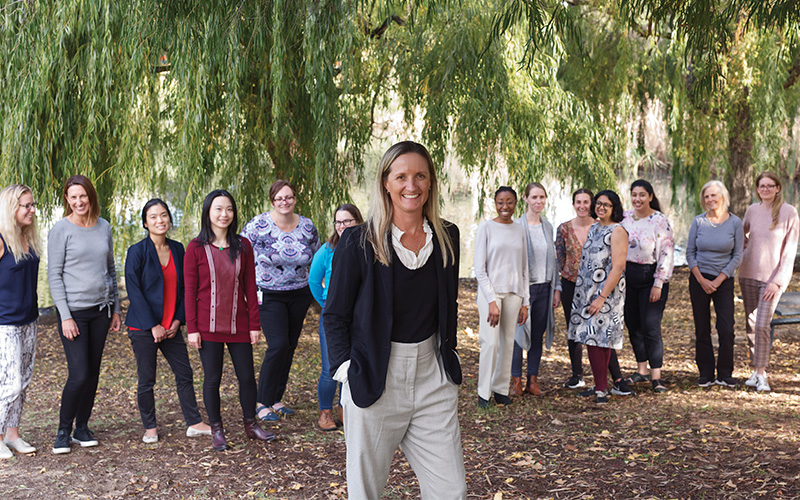
The Kids Research Institute Australia researchers are urging governments to listen more to what kids need.
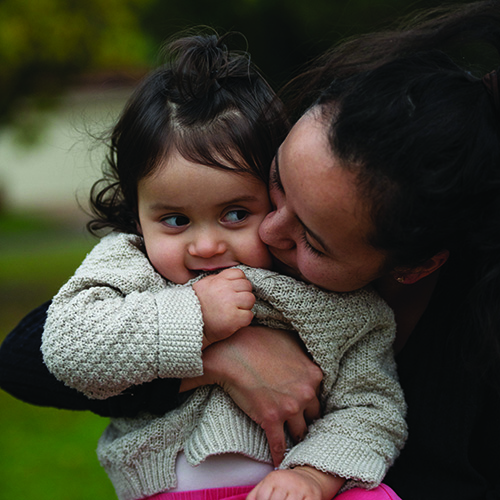
Patricia Ilchuk can still recall the day in August 2020 when her daughter Manna – then five weeks old – had her first seizure.
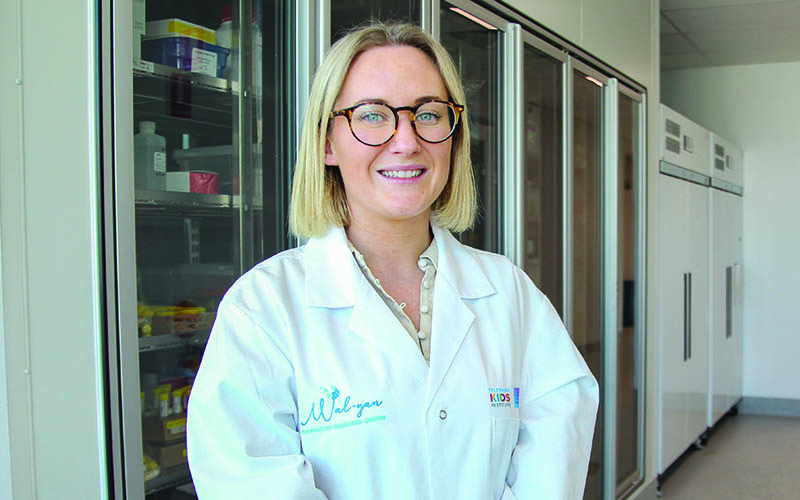
Researchers have made a world-first discovery on how to prevent severe respiratory infections in babies.
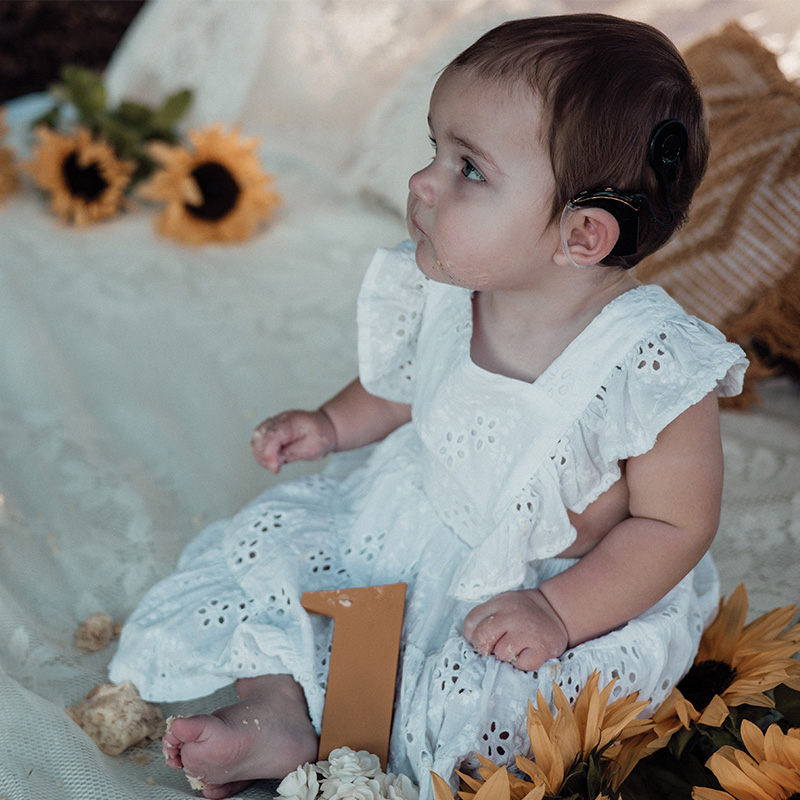
When Perth mum Lacy Swan’s daughter Charlotte failed the newborn hearing test at 3 days of age, the medical team explained it could simply be due to fluid on the ears.
Concerns regarding adverse events following immunisation are a barrier to vaccine uptake. Health professionals use vaccine safety surveillance systems (VSSS) to monitor vaccines and inform the public of safety data. With little known about public attitudes, perceptions, and experiences with VSSS, we examined them in the context of COVID-19 vaccinations in Western Australia.
Indigenous populations globally have significantly high rates of type 2 diabetes compared to their non-Indigenous counterparts. This study aims to implement and evaluate the effectiveness of a culturally and contextually informed Aboriginal Diabetes Workforce Training Program on Aboriginal primary health care workforce knowledge, attitude, confidence, skill and practice relating to diabetes care.
Nipah virus is a zoonotic paramyxovirus responsible for disease outbreaks with high fatality rates in south and southeast Asia. However, knowledge of the potential geographical extent and risk patterns of the virus is poor. We aimed to establish an integrated spatiotemporal and phylogenetic database of Nipah virus infections in humans and animals across south and southeast Asia.
Acinetobacter baumannii is a common pathogen associated with hospital-acquired pneumonia showing increased resistance to carbapenem and colistin antibiotics nowadays. Infections with A. baumannii cause high patient fatalities due to their capability to evade current antimicrobial therapies, emphasizing the urgency of developing viable therapeutics to treat A. baumannii-associated pneumonia.
To characterise the socio-demographic characteristics, aged and health care needs, and aged care services used by older Aboriginal and Torres Strait Islander people assessed for aged care service eligibility.
Siblings of individuals with neurodevelopmental conditions are situated within a complex system of risk and resilience factors for poor outcomes, many of which overlap with the risk of traumatic brain injury and correlate with poorer recovery trajectories.