
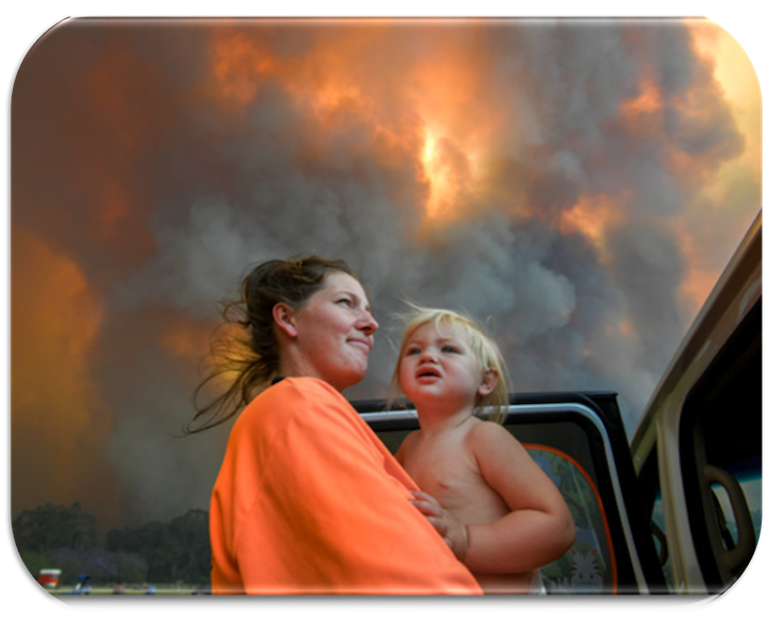
The greatest threat to children’s health in the future is environmental change, including climate change. The Future Child Health project aims to qua…
Large numbers of children need emergency medical treatment each year for respiratory illnesses, particularly for wheezing and asthma.
Chinese immigrants living in Australia experience increased allergic conditions: asthma, eczema, hay fever and wheeze. Recently we reported diminishe…
Sensitive measures of early lung disease are being integrated into therapeutic trials and clinical practice in cystic fibrosis (CF). The impact of ea…
Children born preterm have impaired lung function and altered lung structure. However, there are conflicting reports on how preterm birth impacts aer…
To investigate feasibility of aquatic high intensity interval training for adolescents with cerebral palsy, who can ambulate independently but may ch…
These findings suggest that genetic variants at the VDR locus may play a role in acute wheeze/asthma severity in children