Search
With an increasing number of grandparents providing care to their grandchildren, calls have been made for these caregivers to be considered important stakeholders in encouraging children's engagement in health-promoting behaviors, such as physical activity.
The prevalence estimates of physical activity, sedentary behavior, and sleep (collectively known as movement behaviors) in 3- and 4-year-old children worldwide remains uncertain.
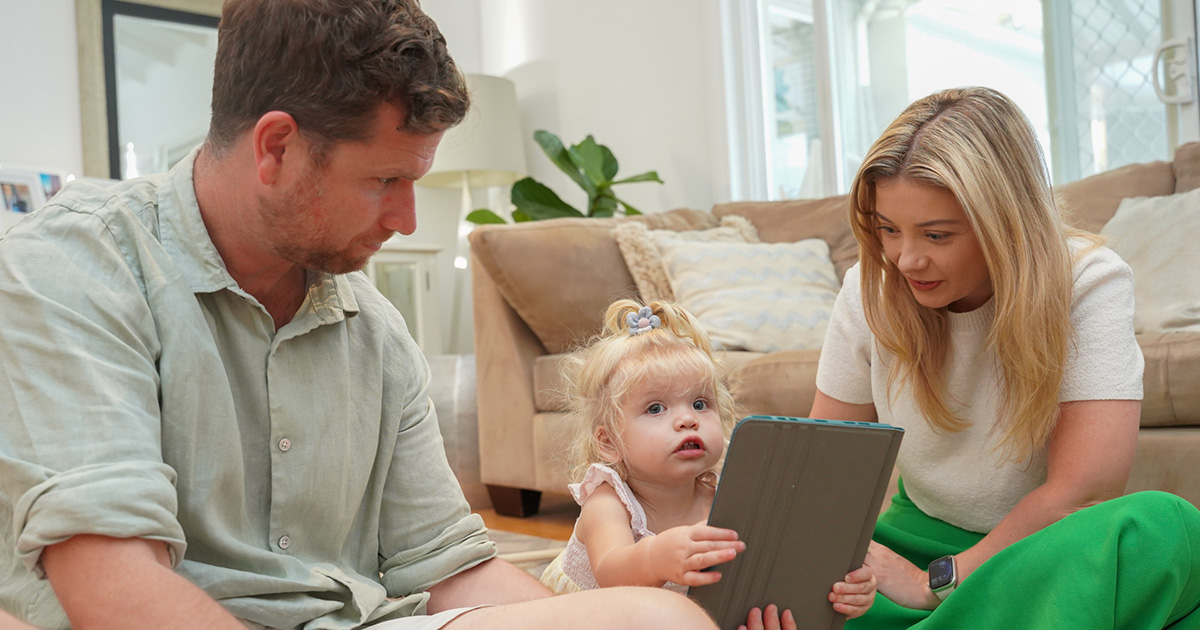
Screen time guidelines recommend no screens under two years due to the potential negative impacts on development. While current reports suggest many children exceed this, research relies on parent reports of their children's screen exposure. We objectively assess screen exposure during the first two years and how it differs by maternal education and gender.
The aim of this systematic review was to review the evidence for serious gaming interventions in improving sensorimotor function in children and adults with cerebral palsy (CP). Seven databases were searched with terms related to serious gaming and CP.
To investigate how dieting is portrayed on TikTok and the potential implications for public health considering the effect of diet culture on eating disorders amongst young people.
The potential for human-computer interaction to have a substantial impact on adults is well documented. However, its potential importance prior to birth has rarely been reported. Parental use of smartphones and tablet computers could influence the relationship between parent and baby during pregnancy (prenatal attachment) and thus child development.
Energy drinks (EDs) are not recommended for minors' consumption due to a myriad of health risks, but marketing initiatives persist. This study explored the promotion of EDs on TikTok, a platform frequented by children and adolescents.
Parents and caregivers often turn to the internet for information about their child's health and development. Research investigating content related to parenting on the world's most popular social media platform, TikTok, has not been conducted.
In this paper, we describe the developmental process of a culturally grounded Moombaki virtual reality (VR) game. We share how Aboriginal children’s drawings have informed the creation of an interactive learning platform for primary school-aged children attending schools in Wadjuk Boodja. The project focused on connecting students to cultural knowledge through immersive storytelling, creative exploration, and collaborative design by using small group yarning circles and game development activities.
Young children are increasingly exposed to evolving screen technology. International guidelines recommend no screen use for children under the age of 2 years, due to the potential for detrimental effects on behaviour and development. However, evidence for these guidelines is limited by inadequate consideration of device-specific effects (TV and mobile phone/tablet computer), maternal screen use, confounders such as maternal mental health and importance of effect sizes.