
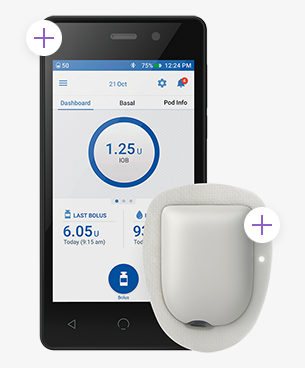
You may have heard that Insulet has released the Omnipod DASH system in Australia. The DASH consists of a tubeless “pod” pump which pairs with a touc…

The Dexcom G6 Early Access Program has so far been a huge success. The program commenced in May, and offered early access to the Dexcom G6 system to…

There is evidence that physical activity is well known to increase the risk of hypoglycaemia in people with type 1 diabetes. However, little is known…
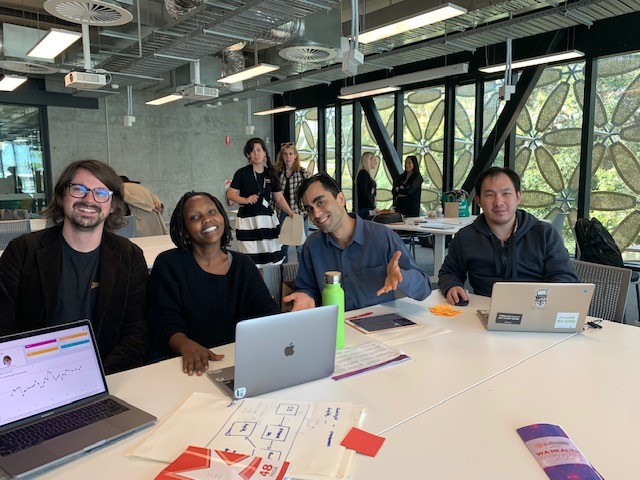
Congratulations to PCH Diabetes who put up a challenge that was selected for the recent WA Health Hackathon Week.
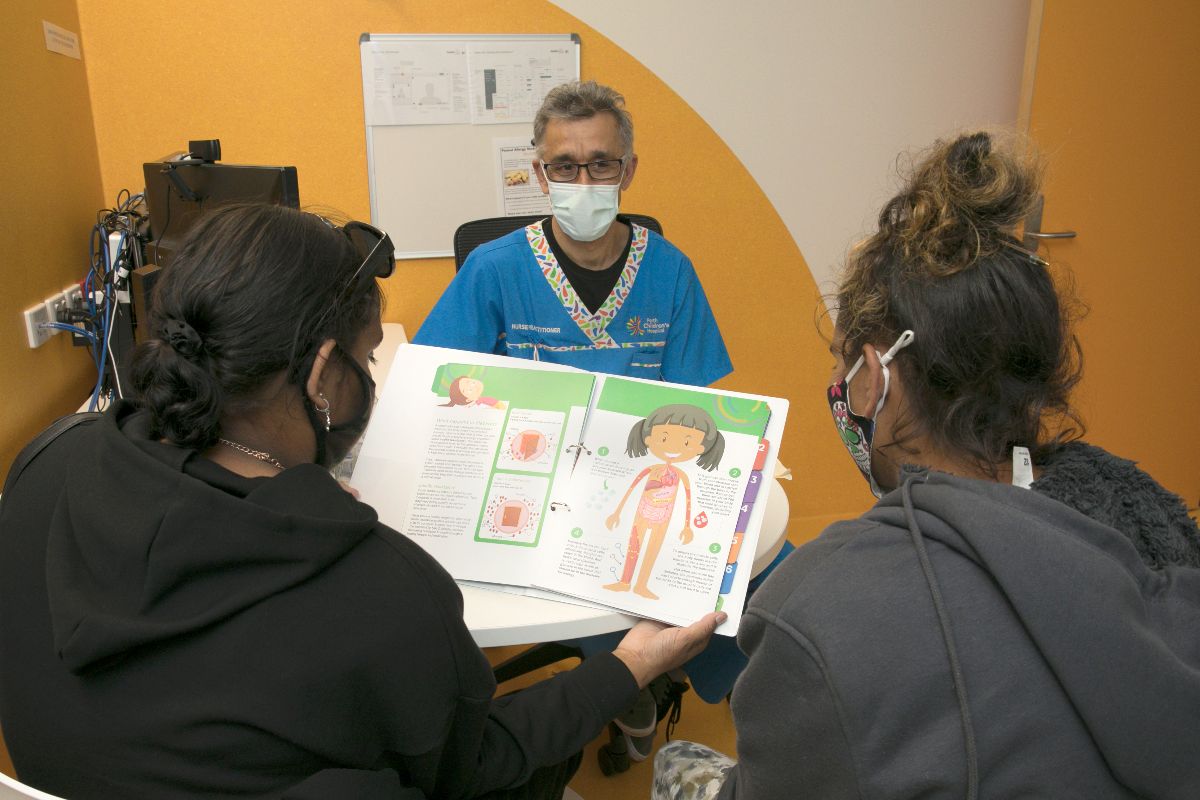
Congratulations to PCH Nurse Practitioner Mark Shah, winner of the WA and Australian Credential Diabetes Educator of the Year awards 2021.
Dietary fat and protein impact postprandial hyperglycaemia in people with type 1 diabetes, but the underlying mechanisms are poorly understood. Gluco…
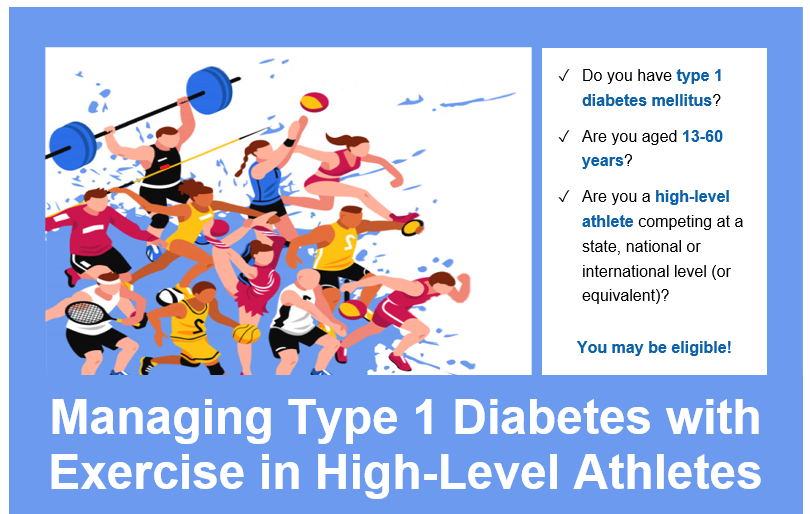
The aim of this study is to describe the strategies used by competitive athletes with T1D to successfully manage their condition during sport and exe…

Recently moved or updated your phone number? If so, please let us know here at PCH’s Diabetes Clinic so we can keep you up to date with clinic inform…

We recognise that we can learn a lot from our families. This area of research looks at the reasons why families living with diabetes choose whether o…

Our type 1 diabetes community has said that one of the biggest challenges for young people participating in sport is that coaches do not know about o…