Search
News & Events
The Kids researchers named as finalists in 2023 Premier’s Science AwardsFive The Kids Research Institute Australia researchers working across diverse and highly impactful areas of child health research have been named as finalists for the 2023 Premier’s Science Awards.
News & Events
How summer bushfires can impact your family’s healthBushfires can have a considerable impact on our health, with some symptoms lasting long after the flames are extinguished. And our children are amongst the most vulnerable.
Culturally secure intervention to facilitate medical follow up for Aboriginal children, after being hospitalised with chest infections, have proven to improve long-term lung health outcomes.
Research
Mouse Lung Structure and Function after Long-Term Exposure to an Atmospheric Carbon Dioxide Level Predicted by Climate Change ModelingClimate change models predict that atmospheric carbon dioxide [CO2] levels will be between 700 and 900 ppm within the next 80yrs. In this study we aimed to assess the respiratory structure and function effects of long-term exposure to 890ppm CO2 from preconception to adulthood using a mouse model.
Research
Overcoming Challenges to Make Bacteriophage Therapy Standard Clinical Treatment Practice for Cystic FibrosisIndividuals with cystic fibrosis (CF) are given antimicrobials as prophylaxis against bacterial lung infection, which contributes to the growing emergence of multidrug resistant (MDR) pathogens isolated. Pathogens such as Pseudomonas aeruginosa that are commonly isolated from individuals with CF are armed with an arsenal of protective and virulence mechanisms, complicating eradication and treatment strategies.
Research
Genome Sequences of Two Lytic Staphylococcus aureus Bacteriophages Isolated from WastewaterTwo lytic double-stranded DNA (dsDNA) bacteriophages, belonging to the family Herelleviridae, were isolated from wastewater in Western Australia. Biyabeda-mokiny 2 appears to belong to the genus Kayvirus, and Koomba-kaat 1 to Silviavirus.
Research
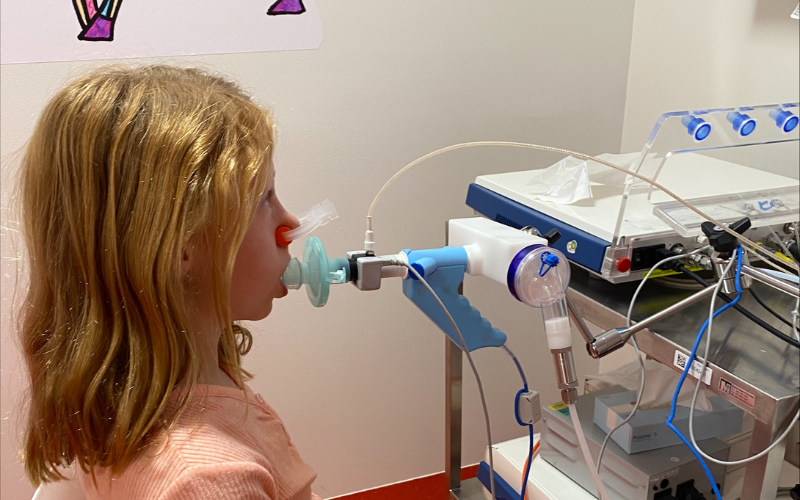
Time to get serious about the detection and monitoring of early lung disease in cystic fibrosisStructural and functional defects within the lungs of children with cystic fibrosis (CF) are detectable soon after birth and progress throughout preschool years often without overt clinical signs or symptoms. By school age, most children have structural changes such as bronchiectasis or gas trapping/hypoperfusion and lung function abnormalities that persist into later life. Despite improved survival, gains in forced expiratory volume in one second (FEV1) achieved across successive birth cohorts during childhood have plateaued, and rates of FEV1 decline in adolescence and adulthood have not slowed. This suggests that interventions aimed at preventing lung disease should be targeted to mild disease and commence in early life.
Research
ERS International Congress 2020 Virtual: highlights from the Allied Respiratory Professionals AssemblyThis article provides an overview of outstanding sessions that were (co)organised by the Allied Respiratory Professionals Assembly during the European Respiratory Society International Congress 2020, which this year assumed a virtual format. The content of the sessions was mainly targeted at allied respiratory professionals, including respiratory function technologists and scientists, physiotherapists, and nurses.
Research
Partial amelioration of a chronic cigarette-smoke-induced phenotype in mice by switching to electronic cigarettesElectronic cigarettes ("e-cigarettes") are often marketed as smoking cessation tools and are used by smokers to reduce/quit cigarette smoking. The objective of this study was to assess the health effects of switching to e-cigarettes after long-term smoking in a mouse model and compare these effects with continued smoking, or quitting entirely.
Research
Pre-Post Intervention to Strengthen and Sustain the Paediatric ESCALATION System (The SPECS): Study ProtocolPromptly recognising changes in an acutely unwell child’s condition is fundamental to prevent tragic outcomes. Western Australian (WA) healthcare facilities used inconsistent and varied paediatric early warning systems. To improve care consistency, a standardised ESCALATION system, inclusive of family involvement and sepsis recognition, was developed.