
Search
Showing results for "Professor"
Research
Genome Sequence of a Lytic Staphylococcus aureus Bacteriophage Isolated from Breast MilkWe identified a double-stranded DNA (dsDNA) bacteriophage appearing to belong to Herelleviridae, genus Kayvirus. The bacteriophage, Biyabeda-mokiny 1, was isolated from breast milk using a clinical isolate of Staphylococcus aureus.
News & Events
WA-based cancer pharmaceutical start-up secures CUREator fundingResearchers dedicated to developing the first cancer immunotherapy tablet have been boosted by a $374,000 CUREator top-up funding grant.
News & Events
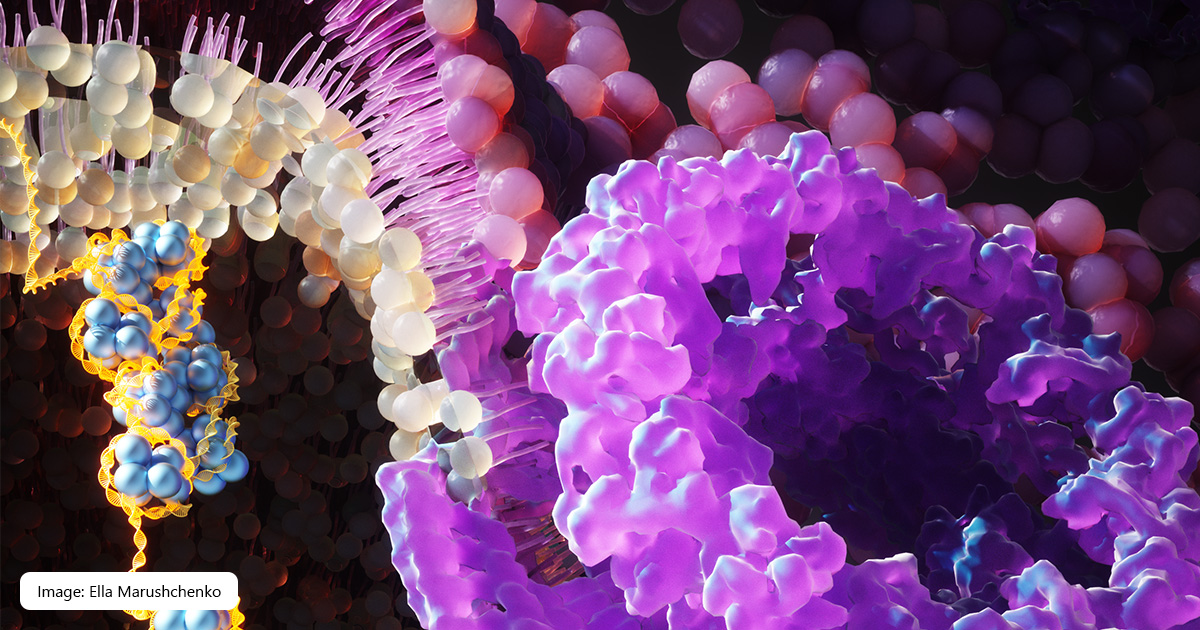
Stem cell ‘memory’ discovery offers hope for new disease breakthroughsAustralian researchers have developed a new method to ‘wipe the memory’ of reprogrammed human cells to better mimic embryonic stem cells, in a discovery that has significant implications for the treatment of several serious diseases.
News & Events
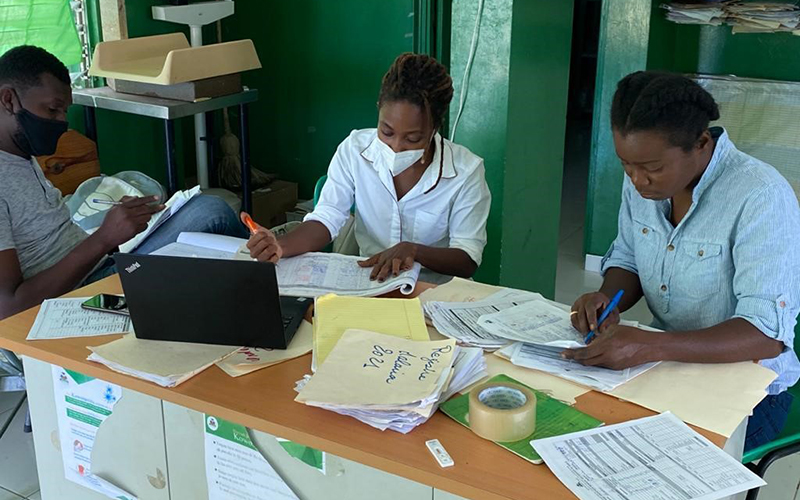
Global research team develops fine-scale risk maps to tackle malaria in HaitiResearchers from The Kids Research Institute Australia in Perth and Tulane University in New Orleans have developed sophisticated data modelling that could help eradicate malaria in Haiti.

News & Events
WA, Queensland leading nation’s improvements in early childhood outcomesWestern Australia and Queensland are leading the nation when it comes to ensuring children have a good start at school, according to a study by researchers at The Kids Research Institute Australia.
News & Events
Start early to boost Indigenous student servicesChild health expert Fiona Stanley says effective action to break the cycle of disadvantage for Aboriginal children must begin well before they start school.
Research
The clinical and molecular epidemiology of Staphylococcus aureus infections in FijiWe observed S. aureus infections in Fiji in both community and hospital settings with an emphasis on clonal complex genotyping and antimicrobial susceptibility.
Research
Updated model of group A Streptococcus M proteins based on a comprehensive worldwide studyGroup A Streptococcus (GAS) M protein is an important virulence factor and potential vaccine antigen, and constitutes the basis for strain typing (emm-typing).
Research
Group A streptococcal vaccines: Paving a path for accelerated developmentVaccine prevention of GAS infections and their immunological complications has been a goal of researchers for decades.
Research
Progress toward a global Group A streptococcal vaccineThe desire for an effective vaccine arises from the large burden of disease caused by the bacterium, particularly rheumatic fever and rheumatic heart disease.