
Search
Developing dietary guidelines for lactating women presents significant challenges, due to limited evidence being available on their specific nutrient needs and the biological impacts of various dietary dimensions. Current dietary recommendations often rely on data from nonlactating women, leading to potential inaccuracies.
Autistic children experience significantly higher rates of anxiety compared to nonautistic children. The precise relations between autism characteristics and anxiety symptoms remain unclear in this population. Previous work has explored associations at the domain level, which involve examining broad categories or clusters of symptoms, rather than the relationships between specific symptoms and/or individual characteristics. We addressed this gap by taking a network approach to understand the shared structure of autism characteristics and anxiety symptoms.

Once upon a time it was infectious diseases like polio, measles or tuberculosis that most worried parents. With these threats now largely under control, parents face a new challenge – sky-rocketing rates of non-infectious diseases such as asthma, allergies and autism.
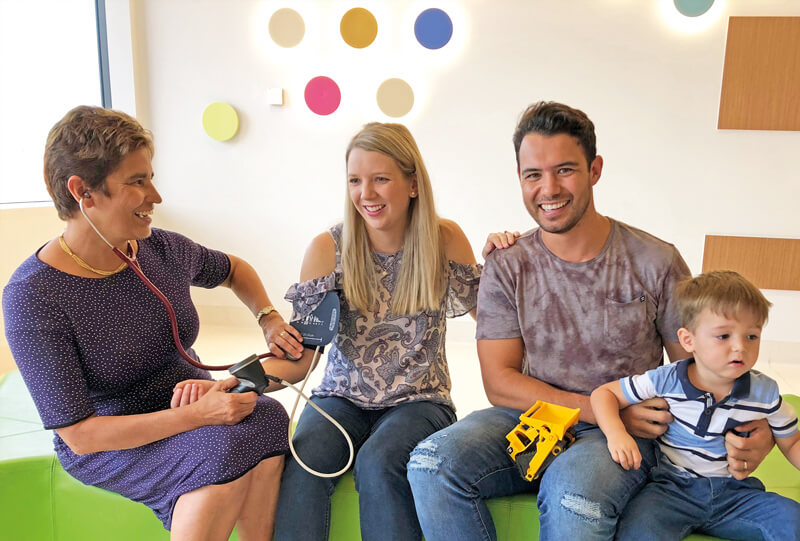
A Quinns Rocks family who became the 1000th family to sign up for the ORIGINS Project is excited to be contributing to such ground-breaking research.
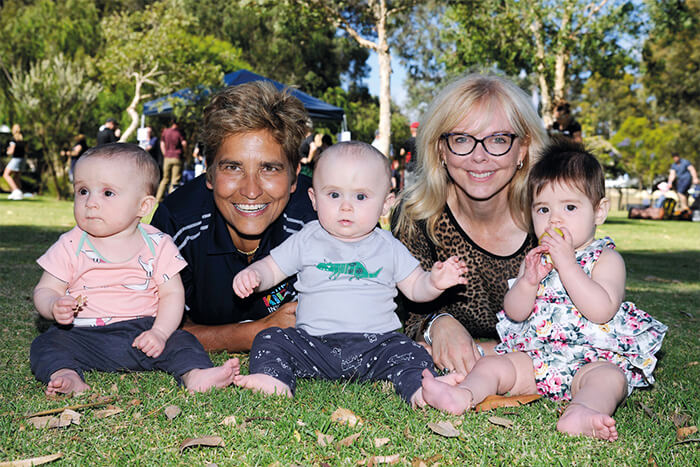
A collaboration between The Kids Research Institute Australia and Joondalup Health Campus is poised to be a game-changer for early childhood development.
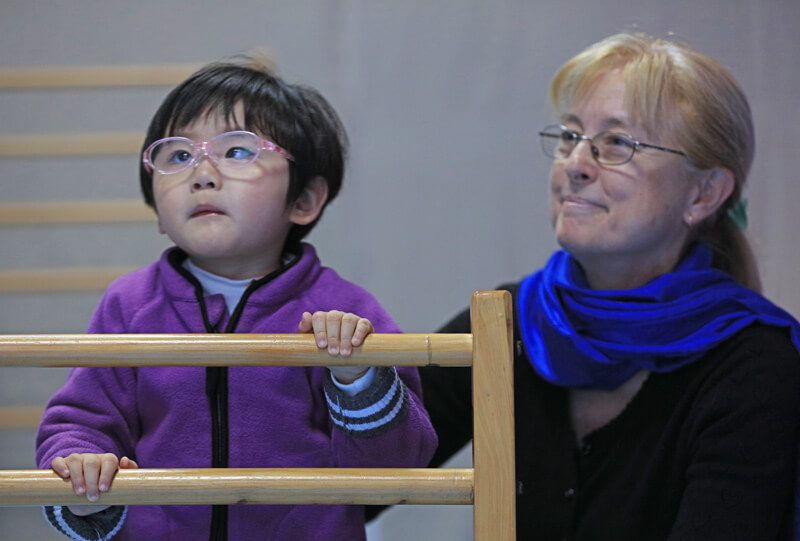
A program developed by The Kids Research Institute Australia researcher Dr Jenny Downs has led to dramatic improvements in the functioning of Chinese children with Rett syndrome, and could change the world.
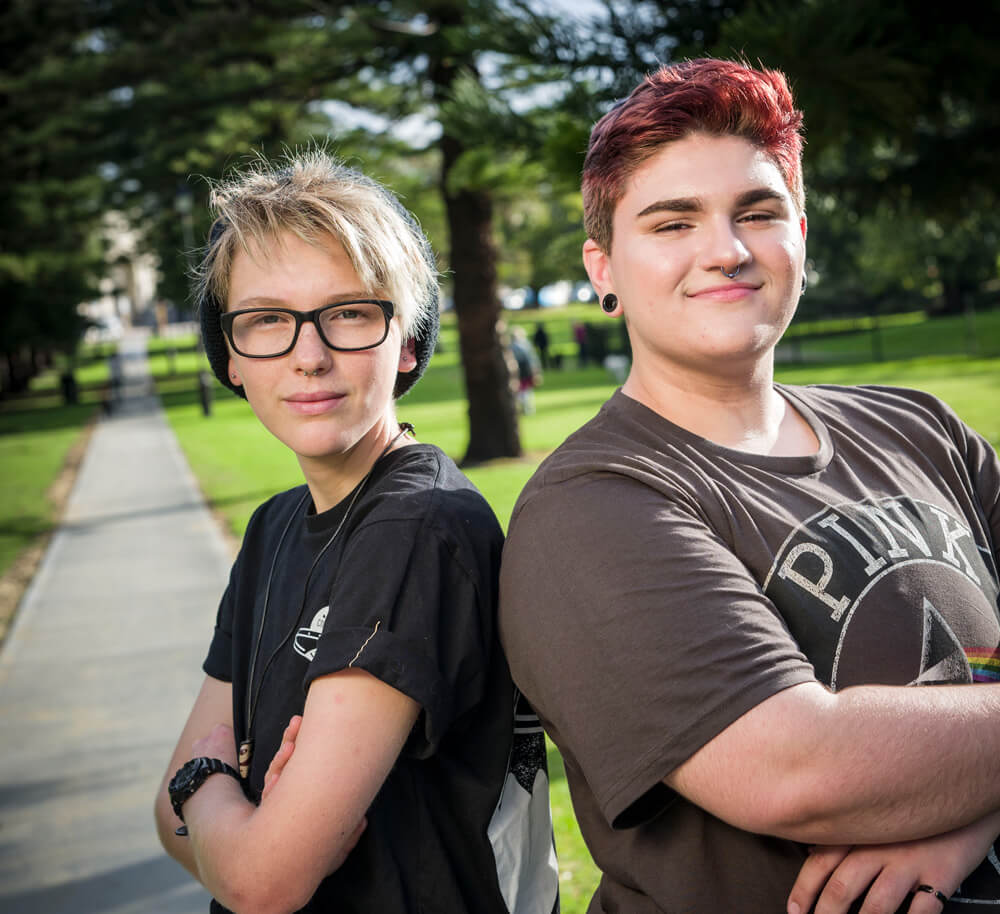
When Trans Pathways ambassador Drew, 17, came out as trans three years ago, the biggest hurdle for him was the availability of services and the time it took to access support.

The Cancer Immunology team at The Kids is investigating how the body's 'natural killer' cells can be harnessed to fight cancer – whilst also protecting kids from nasty chemotherapy side effects.
The Centre is currently involved in an international effort to develop revolutionary closed- loop 'artificial pancreas' technology. It is also leading a multi-centre Australian trial of these portable devices at home in young people with diabetes.
Professor Andrew Whitehouse tells how Australia’s first national guideline for the diagnosis of autism spectrum disorder is going to transform the way the condition is assessed and managed, vastly improving the experience for families.