
Search
Carcinogenic effects of ultraviolet radiation (UVR) with reference to skin cancer are the basis of widely implemented recommendations to avoid sun exposure. Whether the benefits of "restrictive sun policies" outweigh their potential harms due to diminished beneficial effects of sunlight exposure remain a matter of controversy.
Previous studies have shown that when young people witness bullying, perceived social norms of their peer group affect their behavior. However, few studies have examined the specificity of norm misperception (i.e., overestimation of peer antisocial responses and the underestimation of prosocial responses relative to the objective group norm) on specific witness responses (joining in, bystanding or active defending).
Shared decision-making between patients and primary healthcare professionals positively impacts health outcomes. However, people with intellectual disability face additional barriers and require supported shared decision-making (SSDM) to participate. Little is known about how healthcare professionals use SSDM with this population. This paper explores the facilitators and barriers experienced, and strategies/resources employed by healthcare professionals working with people with intellectual disability.
A lifelong auto-immune condition that can affect anyone, but is most commonly diagnosed in childhood.
Food allergies have become more common in our community, with up to one in ten young children now affected. Reactions can range from mild hives to life threatening anaphylaxis and breathing difficulties. The most common food allergies are to egg, peanut, tree nuts, cow’s milk, fish, shellfish, sesame, wheat and soy.
Assisted reproductive technologies (ART) cover a range of methods used to help couples with fertility problems achieve pregnancy, including in-vitro fertilisation (IVF).
Attention deficit hyperactivity disorder (ADHD) is the most commonly diagnosed childhood mental health disorder, affecting about 1 in 20 children. It can impact their behaviour, learning and social skills.
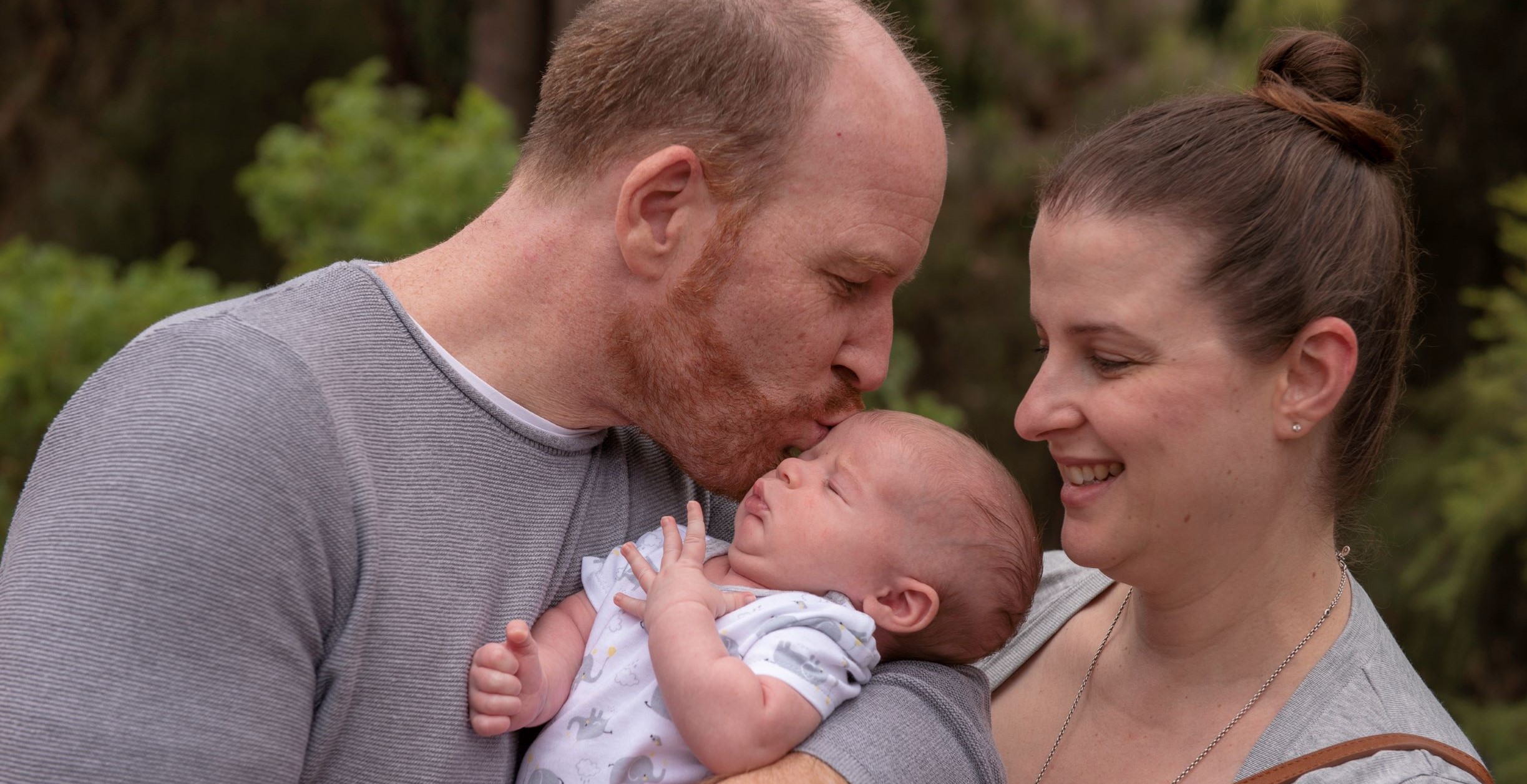
Despite major advances in science in recent years, many Australians still don't understand the magnitude and importance of early years development to a child's life journey.
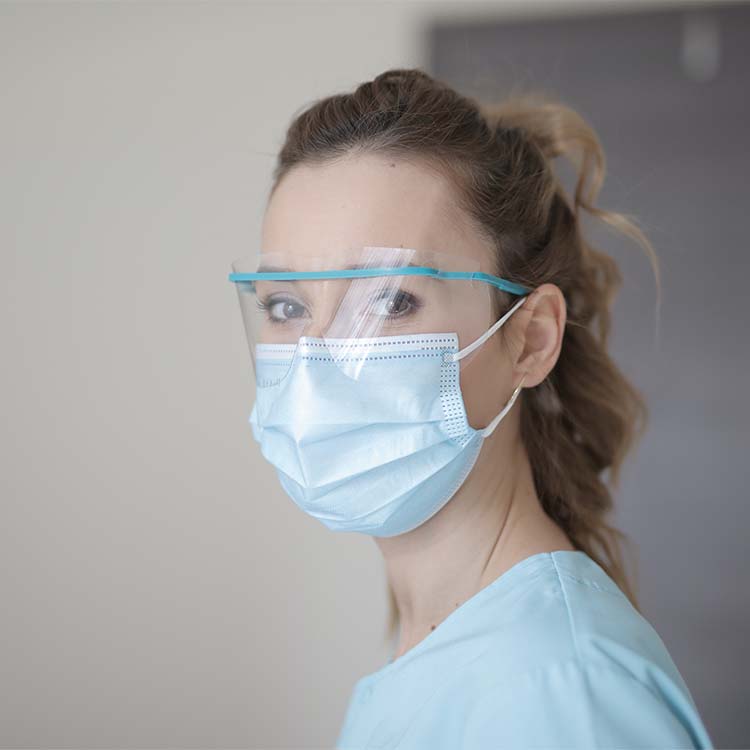
Here’s what we know so far about the impact of COVID-19 on children.
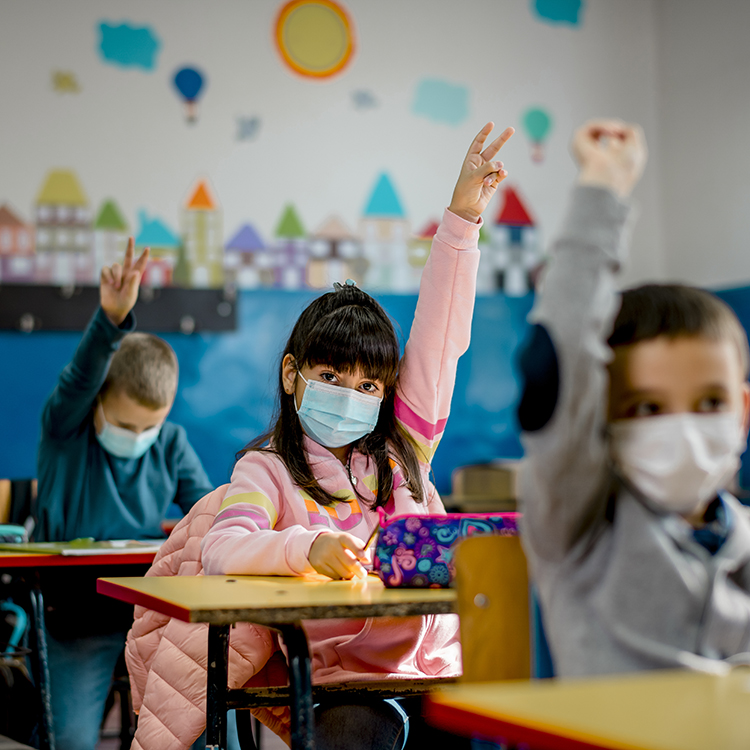
With the number of COVID-19 infections in Western Australia continuing to grow – including confirmed cases in children – The Kids Research Institute Australia understands that our community is growing increasingly worried.