
Search

Two international trials led by The Kids Research Institute Australia’s Neonatal and Infection Immunity Team are tackling the urgent need for simple and safe interventions that can help prevent the adverse long-term effects of infections in extremely preterm babies.
We know from research that the risk of death from respiratory disease is 14 times higher for adults with cerebral palsy than for other adults. Respiratory disease is the most common cause of premature death in children and young people with cerebral palsy and one of the main causes of hospitalisation.
Attention deficit hyperactivity disorder (ADHD) is the most commonly diagnosed childhood mental health disorder, affecting about 1 in 20 children. It can impact their behaviour, learning and social skills.
Melanoma, also known as malignant melanoma, occurs when abnormal skin cells multiply rapidly in an uncontrolled way.
Brain tumours are the second most common cancer in children (after leukaemia).
Cancers in children are very different from cancers in adults - in most cases they appear to strike simply at random. They also develop differently and can spread more rapidly and aggressively. And because cancers in children are not obviously linked to their lifestyles, much work is needed to pinpoint their cause.

RSV hospitalises millions of babies worldwide every year: our research is helping to change that.
Developmental Coordination Disorder is a lifelong disability impacting most aspects of daily living that involve movement. With an estimated prevalence of ~5% of children, the disorder affects an average of one to two children in every Australian classroom.
Each day of school missed makes a difference, with the effect on learning accumulating over time. From an early age, if children are taught that they need to 'show up' for school and make a commitment, this positive mentality aids academic and career success and brings benefits in adulthood.
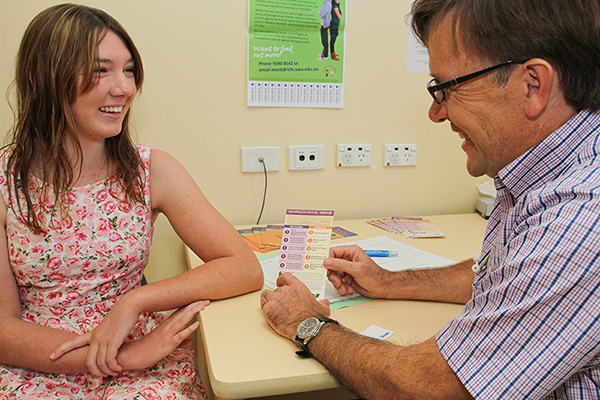
Meningococcal disease is caused by the bacteria Neisseria meningitidis, or 'meningococcus'. It is an uncommon but very serious disease that can result in death if not recognised and treated quickly.