
Search
Showing results for "Professor"
Research
Australian Group on Antimicrobial Resistance surveillance outcome programs - bloodstream infections and antimicrobial resistance patterns in Australian children and adolescents 2022 - 2023Between January 2022 and December 2023, there were 1,827 bloodstream infection (BSI) isolates in 1,745 children and adolescents reported to the Australian Group on Antimicrobial Resistance (AGAR) surveillance outcome programs, with 40% of episodes in children aged < 12 months.
News & Events
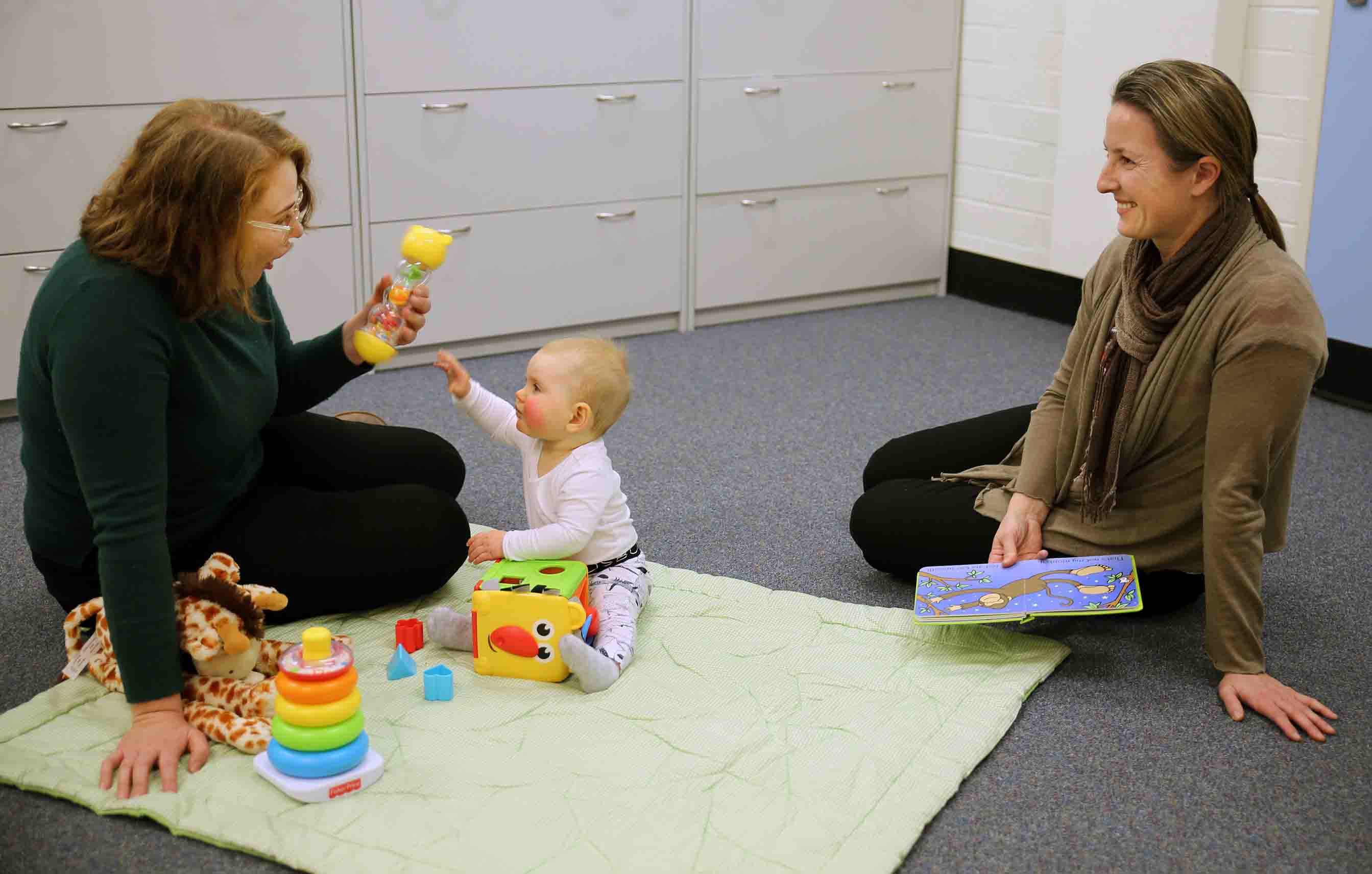
Video intervention offers promising language boost for kids showing early signs of autismThe first rigorous trial of a pre-emptive behavioural intervention for babies showing early signs of autism has found the therapy can improve early language development.
Research
From Local to Systemic: The Journey of Tick Bite Biomarkers in Australian PatientsTick bites and tick-related diseases are on the rise. Diagnostic tests that identify well-characterised tick-borne pathogens (TBPs) possess limited capacity to address the causation of symptoms associated with poorly characterised tick-related illnesses, such as debilitating symptom complexes attributed to ticks (DSCATT) in Australia. Identification of local signals in tick-bitten skin that can be detected systemically in blood would have both clinical (diagnostic or prognostic) and research (mechanistic insight) utility, as a blood sample is more readily obtainable than tissue biopsies.
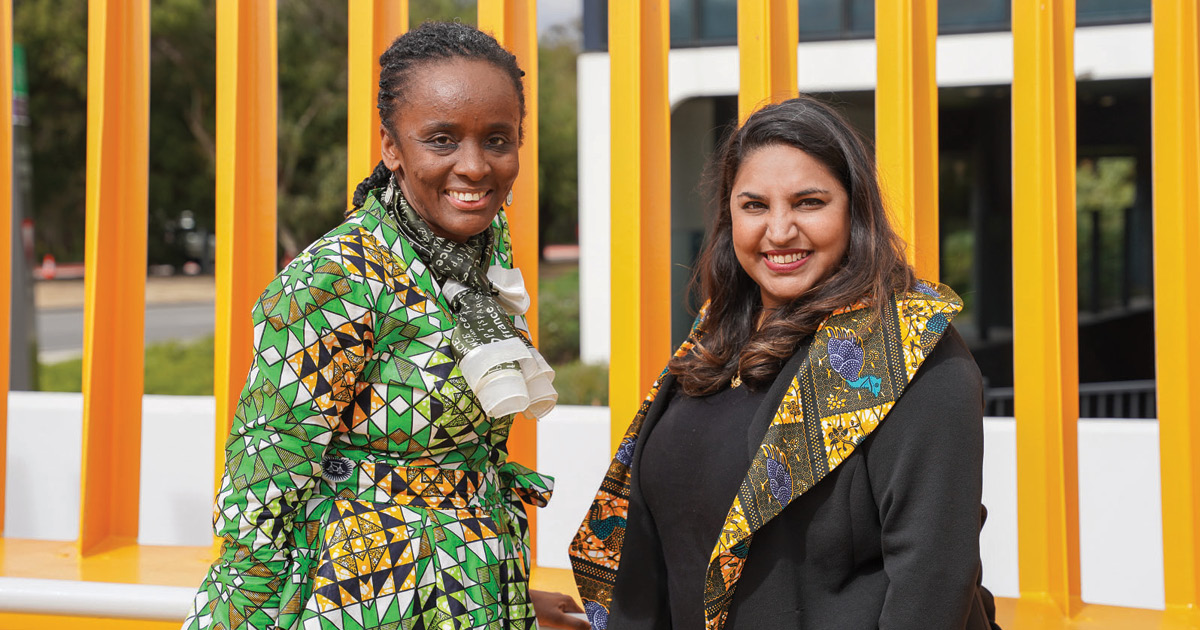
The Kids Research Institute Australia is at the forefront of a global effort to track and prevent malaria – one of the world’s leading causes of disease and child deaths, particularly in developing countries.
Research
The ORIGINS Project: A Cross-Sectional Analysis of the Nutrition Profile of Pregnant Women in a Longitudinal Birth CohortPregnancy is an opportunistic time for dietary intake to influence future disease susceptibility in offspring later in life. The ORIGINS Project was established to identify the factors that contribute to 'a healthy start to life' through a focus supporting childhood health and preventing disease (including non-communicable diseases).
Research
Antecedent and persistent symptoms in COVID-19 and other respiratory illnesses: Insights from prospectively collected data in the BRACE trialSome individuals have a persistence of symptoms following both COVID-19 (post-acute COVID-19 syndrome; PACS) and other viral infections. This study used prospectively collected data from an international trial to compare symptoms following COVID-19 and non-COVID-19 respiratory illness, to identify factors associated with the risk of PACS, and to explore symptom patterns before and after COVID-19 and non-COVID-19 respiratory illnesses.

News & Events
New evidence on the importance of birth spacingResearch from The Kids Research Institute Australia shows that a short time interval between pregnancies may be less of a risk factor for preterm birth and low birth weight
News & Events
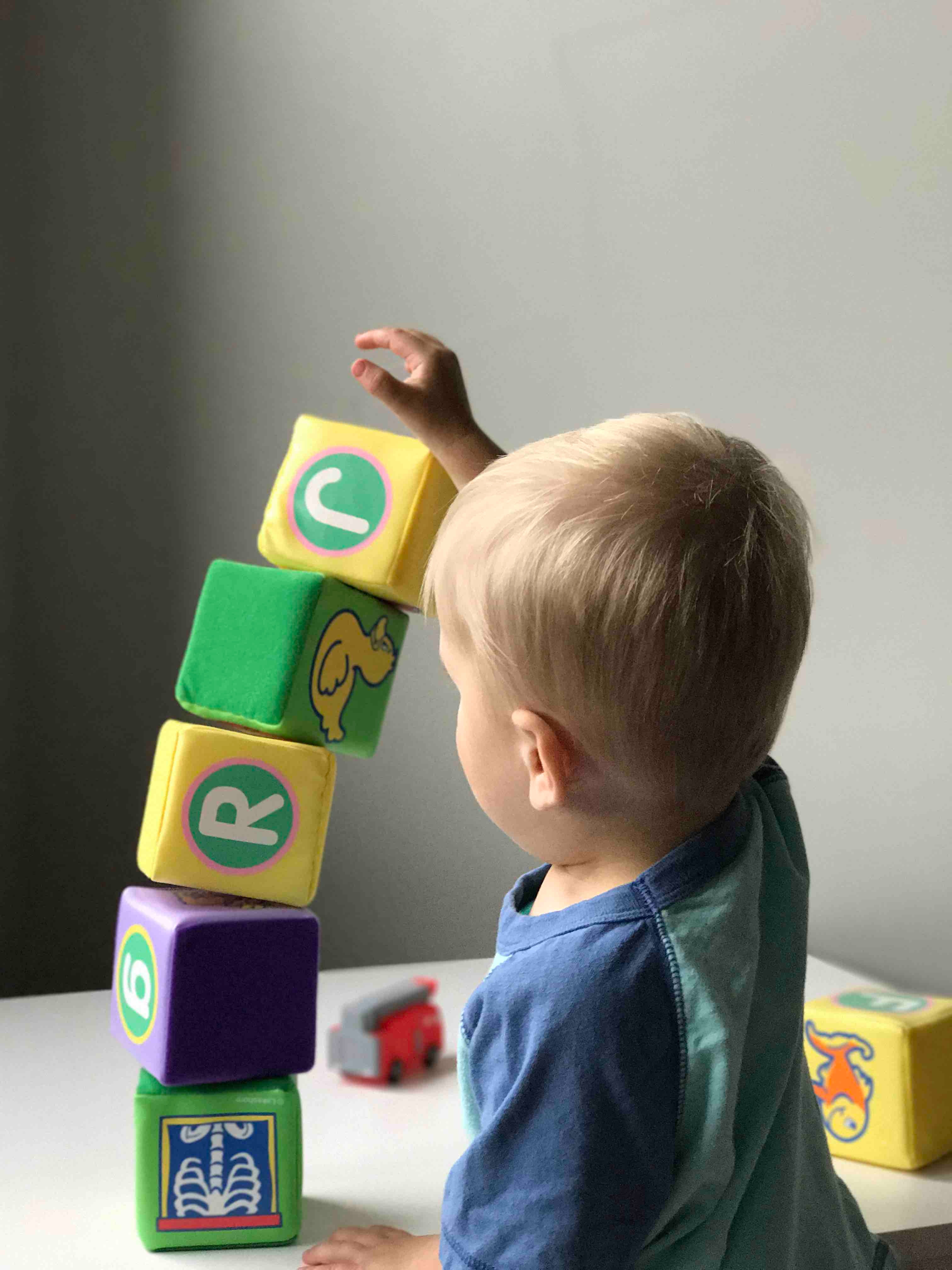
How learning to talk is in the genesResearchers from Perth's The Kids Research Institute Australia have been part of an international study that has found that genetic factors contribute to the development of l
News & Events
Volunteers needed for world-first trial to prevent asthmaAustralian scientists have today launched a world first research trial into a treatment that could prevent asthma in high risk children.
News & Events
Late talking toddlers: new research debunks the mythsNew research findings from the world's largest study predicting children's late language emergence has revealed that parents are not to blame for late talking