
The breadth of available non-pharmacological interventions for autistic children, with varying evidence for efficacy summarised in multiple systemati…
This systematic review aimed to identify the most important social, environmental, biological, and/or genetic risk factors for intellectual disabilit…
The developmental origins of handedness remain elusive, though very early emergence suggests individual differences manifesting in utero could play a…
Substantial genetic correlations have been reported across psychiatric disorders and numerous cross-disorder genetic variants have been detected. To…
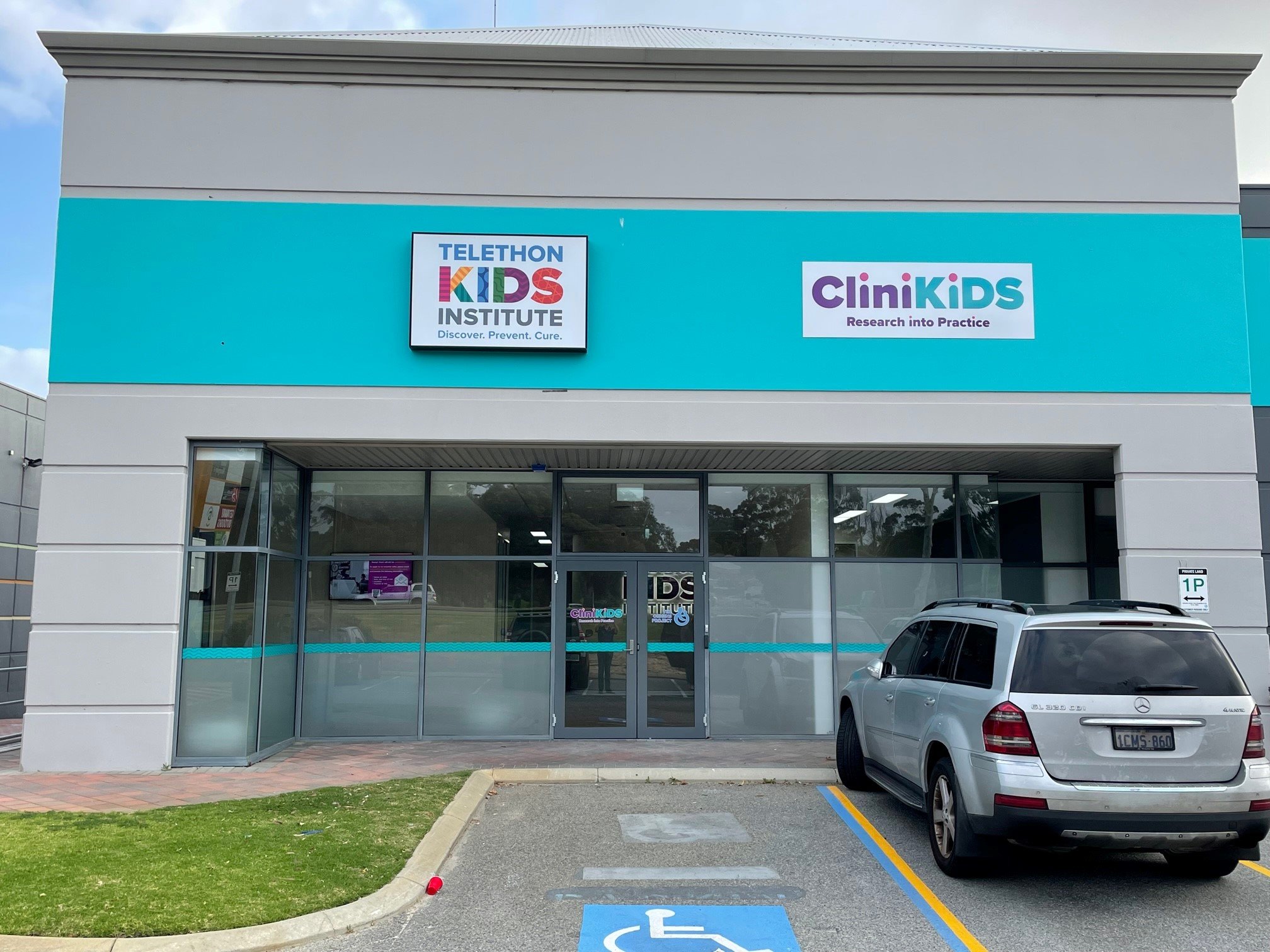
We are excited to announce that our new Joondalup clinic will be open at the start of Term 4!

To meet the growing demand for clinical psychology services, as well as provide education and awareness of autism best practice for clinical psycholo…
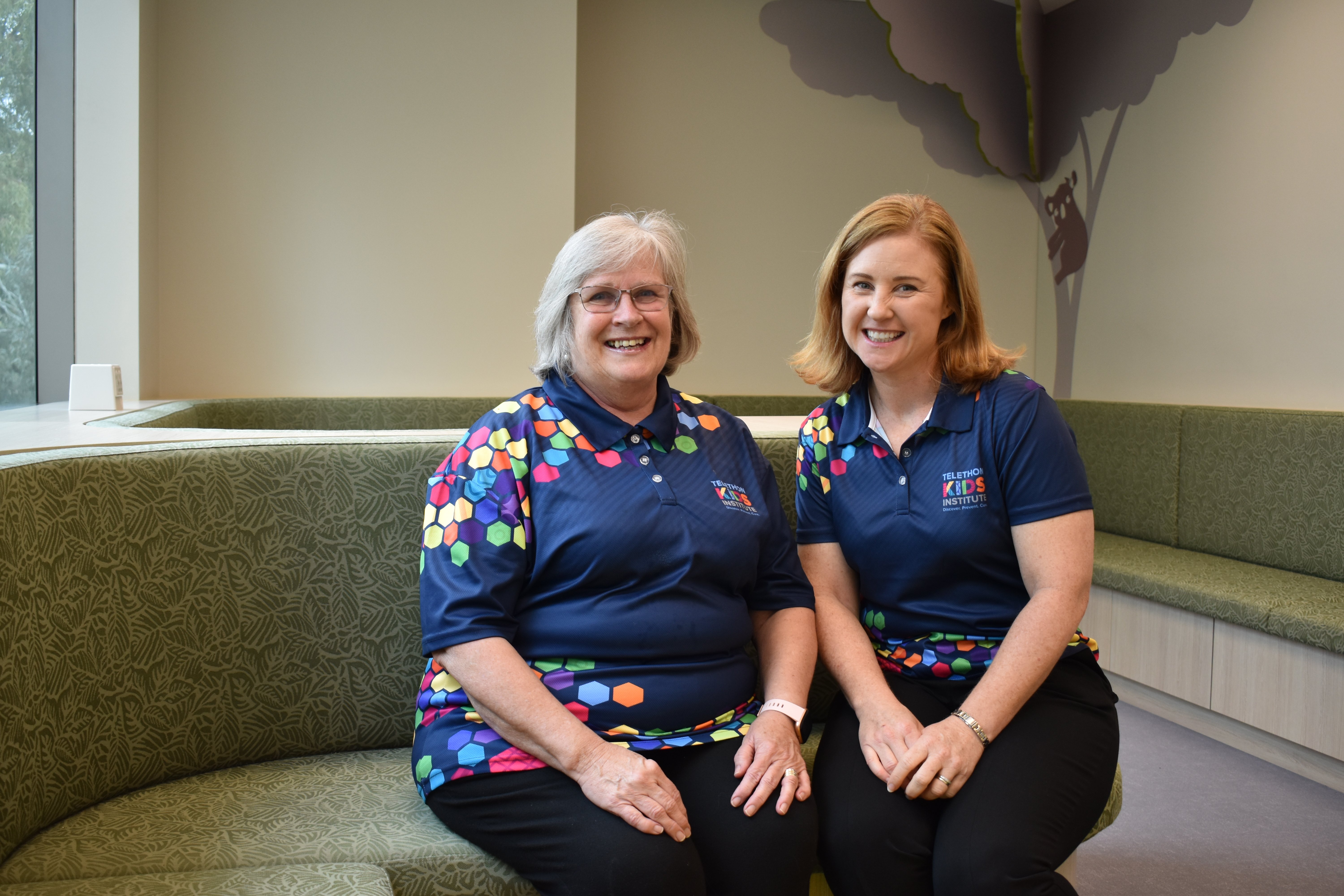
CliniKids recently welcomed Gayle, Tarryn and Emma to the clinical team. The clinicians will be located out our new Joondalup clinic, which will be w…
To compare quality of life (QOL) across diagnoses associated with intellectual disability, construct QOL profiles and evaluate membership by diagnost…
In multi-cohort consortia, the problem often arises that a phenotype is measured using different questionnaires. This study aimed to harmonize scores…
The use of spoken and written language is a fundamental human capacity. Individual differences in reading- and language-related skills are influenced…