
Search
Showing results for "Professor"
Research
The effects of e-cigarette use on asthma severity in adult BALB/c miceElectronic cigarettes (e-cigarettes) are often perceived to be a less harmful alternative to tobacco cigarettes. Potentially due to this perception, they are used by people with pre-existing respiratory conditions, such as asthma, who otherwise would not smoke. Despite this, there are few studies exploring the health effects of e-cigarette use on pre-existing asthma.

Nearly 170 years ago a British doctor applied geospatial mapping to identify the source of a cholera outbreak in central London.

For the first time this year, all Australian babies and children aged six months to four years will be entitled to have a free influenza vaccination.
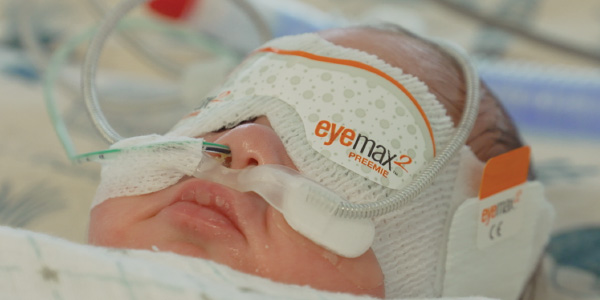
A simple set of eye masks and ear plugs – an inexpensive solution explored in a successful pilot study by The Kids Research Institute Australia, together with the Child and Adolescent Health Service – could hold the key to better outcomes for our tiniest bubs. Now, a nationwide clinical trial is testing the idea

News & Events
Embrace-linked psychiatrist calls for greater coordinationAssociate Professor Pradeep Rao called for more hope among clinicians and young people alike when accessing services.
News & Events
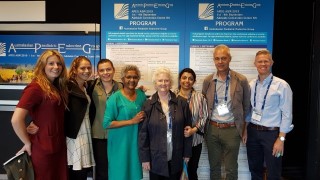
Global presenceOver the past few months, our researchers have zig-zagged the globe to share their type 1 diabetes research at major scientific meetings and conferences.
Research
Exposure to biodiesel exhaust is less harmful than exposure to mineral diesel exhaust on blood-brain barrier integrity in a murine modelEmerging data suggest that air pollution is a persistent source of neuroinflammation, reactive oxygen species, and neuropathology that contributes to central nervous system disorders. Previous research using animal models has shown that exposure to diesel exhaust causes considerable disruption of the blood-brain barrier, leading to marked neuroinflammation.
Research
In utero and early-life nitrate in drinking water impacts lung function of weanling ratsConsumption of nitrate in drinking water has previously been associated with a range of adverse health effects, including methemoglobinemia and potentially cancer. In animal models, it has been shown to impact respiratory structure and function, however, there is a paucity of data of the effects of in utero exposure on the respiratory health of offspring.
Research
SARS-CoV-2 Infection and Childhood Islet AutoimmunityThis cohort study examines whether there is a temporal association between SARS-CoV-2 infection and the development of islet autoimmunity among Australian children with a first-degree relative with type 1 diabetes.
Research
Physical Activity-Related Practices and Psychosocial Factors of Childcare Educators: A Latent Profile AnalysisLimited research investigates early childhood education and care (ECEC) educators' involvement in promoting physical activity. The aim was to identify distinct profiles based on physical activity-related practices and psychosocial factors in ECEC educators and examine how they relate to the amount of time allocated to children's physical activity. A secondary analysis of educator-reported survey data from the Play Active study was undertaken.