
Search
Showing results for "Study of bullying"
This study aimed to understand how parents describe the most challenging behaviors exhibited by their children diagnosed with autism and/or ADHD, how those behaviours impact their family, and whether challenges are directly related to the core characteristics of these conditions.
Despite there being an increasing number of applied flow studies across scientific disciplines, there exists no consistent or broadly applicable intervention to promote flow experiences. This study provides a detailed account of a new educational flow training program developed following recent advancements in the flow literature that have provided a more parsimonious understanding of flow experiences and antecedents.
This study was conducted to determine the seroprevalence and risk factors of chikungunya (CHIKV), dengue (DENV), and Zika (ZIKV) viruses in Tanzania.
There is a paucity of quantitative measures of resilience specifically validated for young Aboriginal people in Australia. We undertook the first investigation of validity and reliability of the Connor-Davidson Resilience Scale in a sample of Australian Aboriginal people, with a focus on youth. We conducted a cross-sectional study of resilience among a sample of 122 Aboriginal youth (15–25 years old) in New South Wales and Western Australia, featuring self-completes of the 10-item CD-RISC in online (N = 22) and face-to-face (N = 100) settings.
COVID-19 has caused a global public health crisis affecting most countries, including Ethiopia, in various ways. This study maps the vulnerability to infection, case severity and likelihood of death from COVID-19 in Ethiopia. Thirty-eight potential indicators of vulnerability to COVID-19 infection, case severity and likelihood of death, identified based on a literature review and the availability of nationally representative data at a low geographic scale, were assembled from multiple sources for geospatial analysis. Geospatial analysis techniques were applied to produce maps showing the vulnerability to infection, case severity and likelihood of death in Ethiopia at a spatial resolution of 1 km×1 km.
Although growing evidence suggests that dietary patterns associated with noncommunicable disease in adulthood may develop early in life.
This study aimed to acquire nationally representative epidemiological data on GAS in Australia to scope the appropriate age for vaccination with a potential...
The effect of prenatal life stress on BP was accentuated by a higher BMI. Fetal programming events as a result of prenatal stress may underpin some of these...
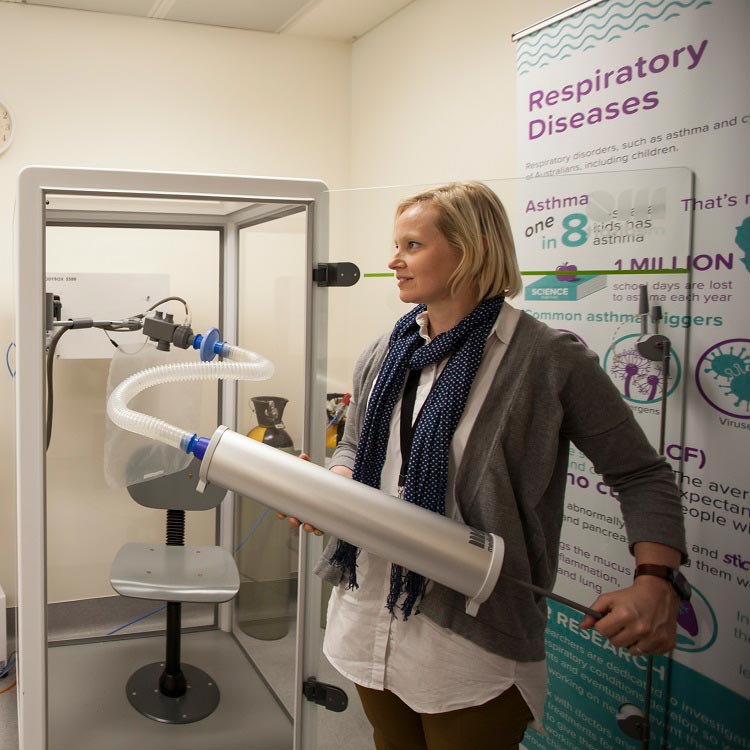
A The Kids Research Institute Australia study published in The Lancet Child & Adolescent Health has found that survivors of very preterm birth face declining lung function
The rate of Bipolar Disorder as a discharge diagnosis in German minors has increased significantly, consistently exceeding the general trend for a rise in rates for mental disorders