

More than 15 researchers from the Wal-yan Respiratory Research Centre will head to the Gold Coast this weekend to take part in at The Thoracic Societ…

Congratulations to three outstanding The Kids Research Institute Australia researchers who have received second chance WA health funding designed to…
Children are more vulnerable than adults to climate-related health threats, but reviews examining how climate change affects human health have been m…
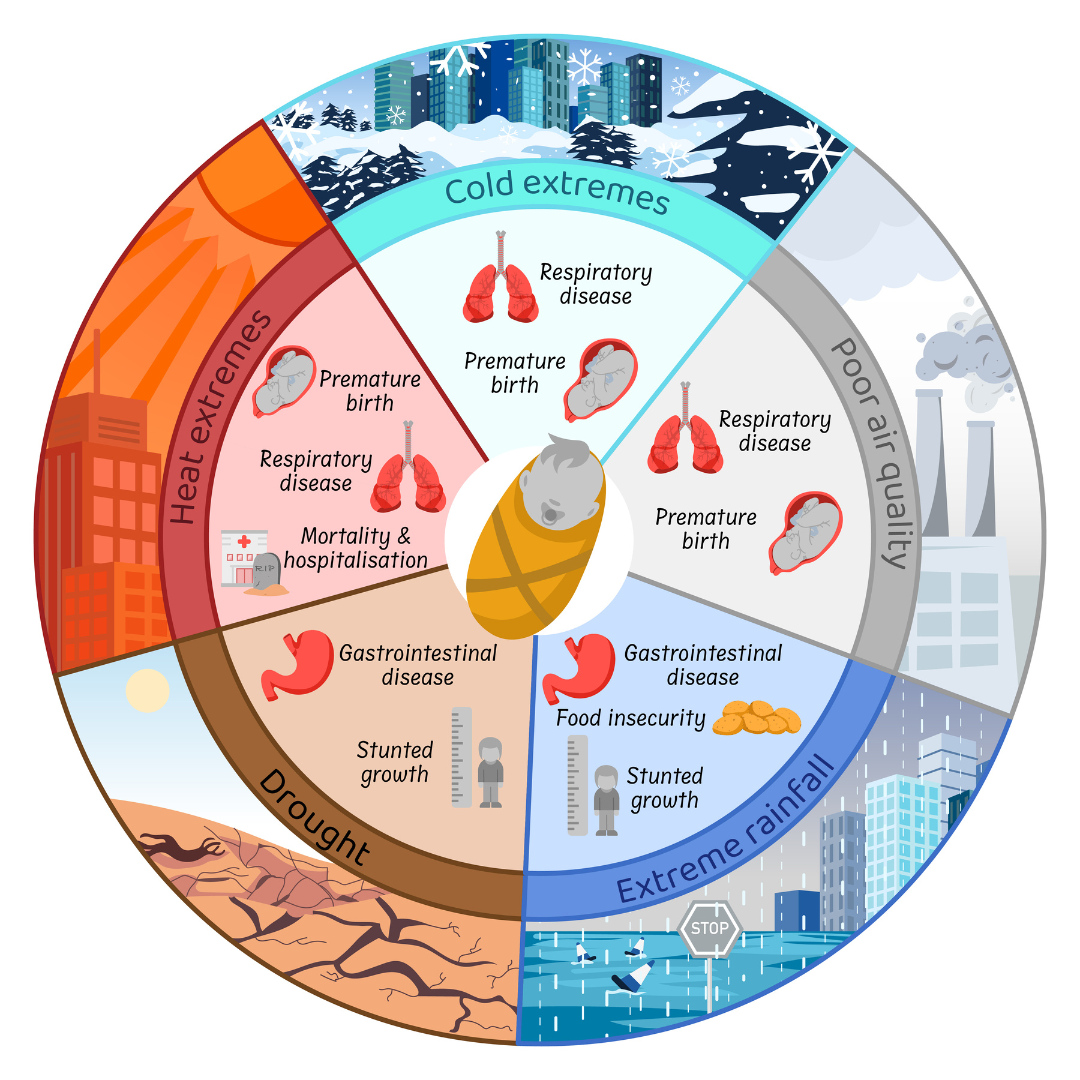
Increased numbers of preterm births, higher incidence of respiratory disease and death, and more children in hospitals are some of the stark health o…

A project to uncover treatable traits to improve the lung health of people born preterm has been made possible thanks to a $1.99 million Medical Rese…

In an exciting development for the Wal-yan Respiratory Research Centre, Professor André Schultz has been appointed as the Centre’s new Head, succeedi…
Atherosclerotic cardiovascular disease (ASCVD) is a leading cause of global mortality, often associated with high blood levels of LDL cholesterol (LD…
Neuromuscular disorders can lead to nocturnal hypoventilation. Accurate diagnosis of hypoventilation is imperative to guide treatment decisions. This…
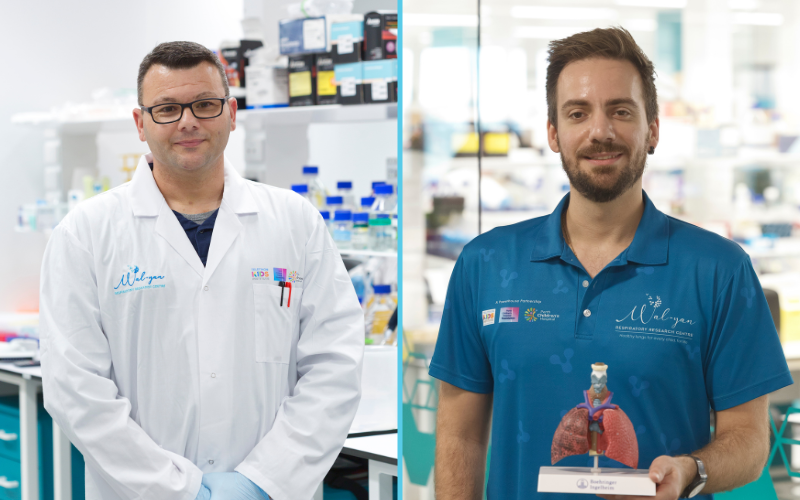
New funding from the Stan Perron Charitable Foundation will support research into innovative treatments for antibiotic-resistant infections and asthm…
Chronic, low-intensity air pollution exposure has been consistently associated with reduced lung function throughout childhood. However, there is lim…