
Search
Showing results for "clinikids"
Clinical decision support systems (CDSS) are increasingly utilised within healthcare settings to enhance decision making. However, few studies have investigated their application in the context of clinical services for autistic people, with no research to date exploring the perspectives of the key stakeholders who are, or in the future may be, impacted by their use.
A comprehensive understanding of specific factors contributing to variability in responsiveness of children with autism to interventions is paramount for making evidence-based clinical and policy decisions. This meta-analysis examined child and family characteristics, as well as intervention design factors, associated with outcomes of behavioral interventions for children with autism.
The growing global prevalence of autism spectrum disorder is associated with increasing costs for support services. Ascertaining the effects of a successful preemptive intervention for infants showing early behavioral signs of autism on human services budgets is highly policy relevant.

Today, on World Autism Day, we embrace the theme Celebrating Differences, recognising the unique strengths, perspectives, and contributions of autistic individuals.
This study aimed to identify guiding principles to underpin assessment and diagnosis of autism to improve the quality, consistency and accuracy of services provided to individuals and their families. An online survey and focus groups were used to capture community perspectives of members of the Australian autistic and autism communities.
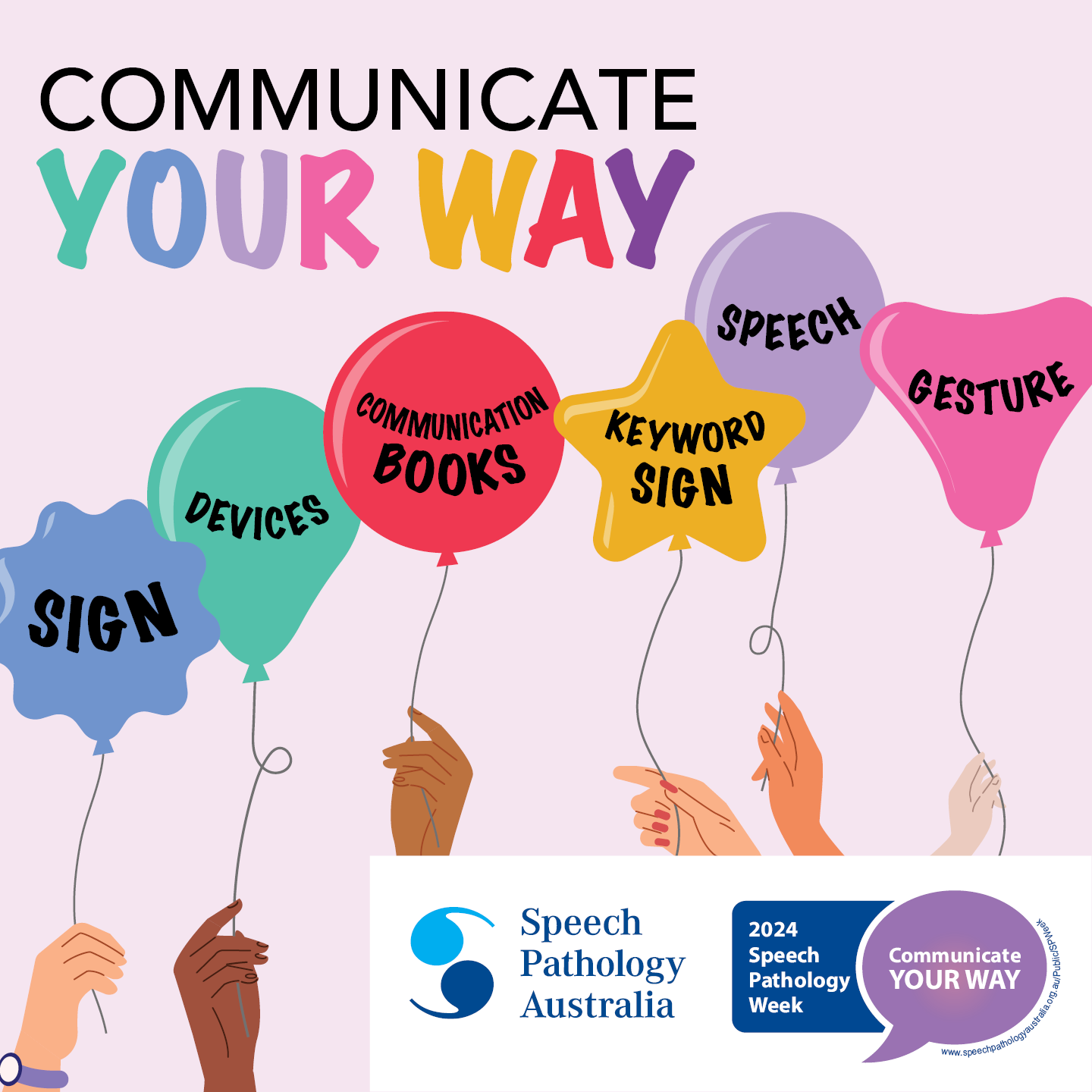
To kick off Speech Pathology Week 2024, we asked our clients, their families and the community to share the different ways they communicate. Senior Speech Pathologist Sally Grauaug compiled their ideas and feedback into this blog.

We’re currently celebrating Speech Pathology Week at The Kids!
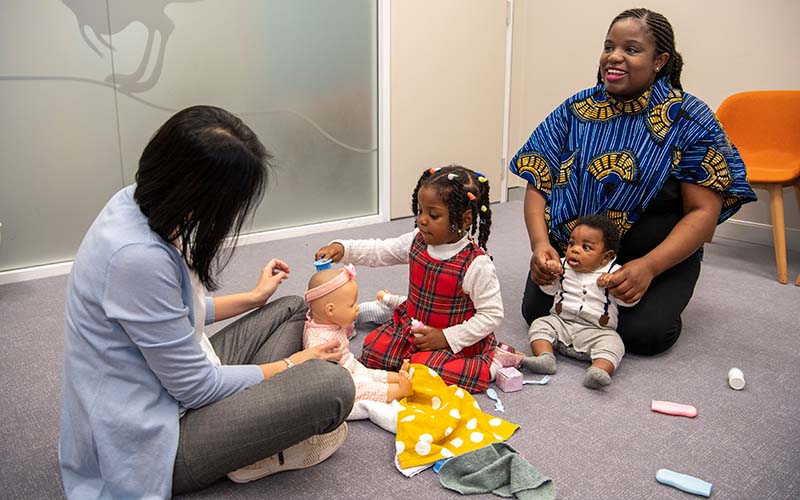
The Kids' autism research takes place at CliniKids, a centre that integrates world-class research with a clinical service for children with developmental delay and/or autism and their families.
Developmental theory and previous studies support the potential value of prodromal interventions for infants at elevated likelihood of developing autism. Past research has supported the efficacy of parent-mediated prodromal therapies with infants from as early as 7 months. We outline the rationale for implementing interventions following this model from even earlier in development and report on the feasibility of a novel intervention developed following this model of parent-mediated infant interventions.
Sensory modulation symptoms form a diagnostic criterion for autism spectrum disorder and are associated with significant daily functional limitations. Utilizing caregiver report on Short Sensory Profile-2 (SSP-2) for 919 autistic children (3–14.11 years), we examined the expression of sensory modulation symptoms by age and sex and investigated the existence of specific sensory modulation subtypes.