
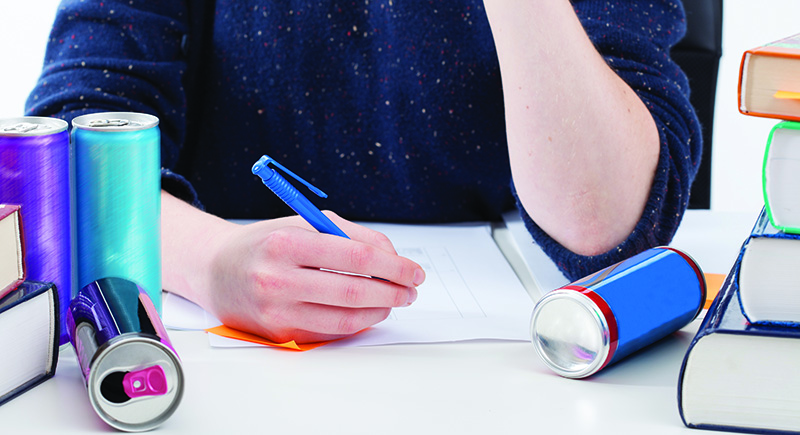
The Kids Research Institute Australia is conducting a research study to evaluate a 4-month trial ban on the sale of energy drinks to children in all…
We developed the iOS smartphone app Sun Safe to support healthy sun practices in young teenagers (aged 12-13 years). The production involved co-desig…
Locating fast-food outlets near schools is a potential public health risk to schoolchildren, given the easy access and repeated exposure to energy-de…
This study systematically reviewed Australian literature to determine if an association exists between geospatial exposure to food outlets and diet,…
Energy drinks (EDs) are not recommended for minors' consumption due to a myriad of health risks, but marketing initiatives persist. This study explor…
Bullying in schools has been associated with poor academic and mental health outcomes in students. While students are often encouraged to report bull…
Interest in how the school built environment impacts bullying behaviour has gained momentum in recent years. While numerous studies have identified l…
School bullying is a public health concern affecting the physical and mental health of children and young people. While school-based interventions to…
Australian families increasingly rely on eating foods from outside the home, which in-creases intake of energy‐dense nutrient‐poor foods. ‘Kids’ Menu…
Socio-economic spatial patterning of fast-food outlets can result in disparities in the availability and access of food across geographic areas, cont…