
To evaluate the effectiveness of maternal pertussis vaccination for preventing pertussis infections in Aboriginal and Torres Strait Islander infants…
Following the introduction of jurisdictional maternal pertussis vaccination programs in Australia, we estimated maternal vaccine effectiveness (VE) a…
Asthma is among the commonest noncommunicable diseases of childhood and often occurs with other atopic comorbidities. A previous case-control study f…

Researchers from the Wesfarmers Centre of Vaccines and Infectious Diseases at The Kids Research Institute Australia have shared their expertise with…
Pregnancy and early infancy are increased risk periods for severe adverse effects of respiratory infections. Aboriginal and/or Torres Strait Islander…
Antenatal inactivated influenza and pertussis-containing vaccines offer protection against severe respiratory infections for pregnant women and infan…
Previous Australian studies have shown that delayed vaccination with each of the three primary doses of diphtheria-tetanus-pertussis-containing vacci…
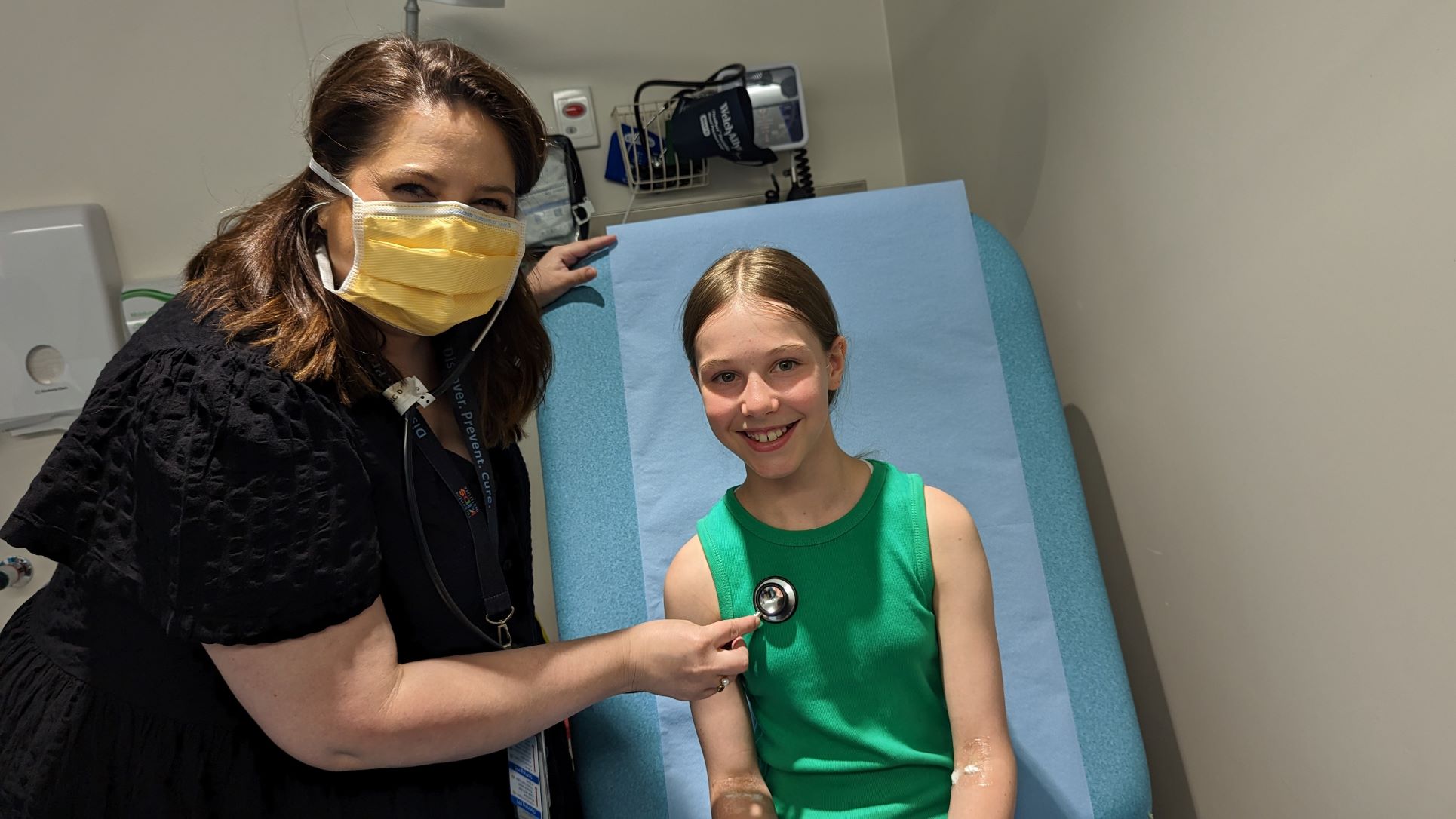
Tiny babies could soon have much-needed protection from community transmission of potentially deadly whooping cough thanks to a world-first nasal spr…

New collaborative research involving almost 600,000 pregnant mothers has demonstrated a dramatic increase in uptake of the whooping cough (pertussis)…
The purpose of this double-blind, randomised, controlled trial is to compare allergic outcomes in children following vaccination with acellular pertu…