
Early Moves: a protocol for a population-based prospective cohort study to establish general movements as an early biomarker of cognitive impairment in infants
The current diagnostic pathways for cognitive impairment rarely identify babies at risk before 2 years of age. Very early detection and timely target…
Early motor function of children with autism spectrum disorder: A systematic review
Early motor impairments have been reported in children with neurodevelopmental disorders (NDD), but it is not clear if early detection of motor impai…
The unmet clinical needs of children with developmental coordination disorder
The aim of this study was to understand the challenges experienced by families obtaining a diagnosis and therapy for developmental coordination disor…
Developmental Coordination Disorder
Developmental Coordination Disorder is a lifelong disability impacting most aspects of daily living that involve movement. With an estimated prevalen…
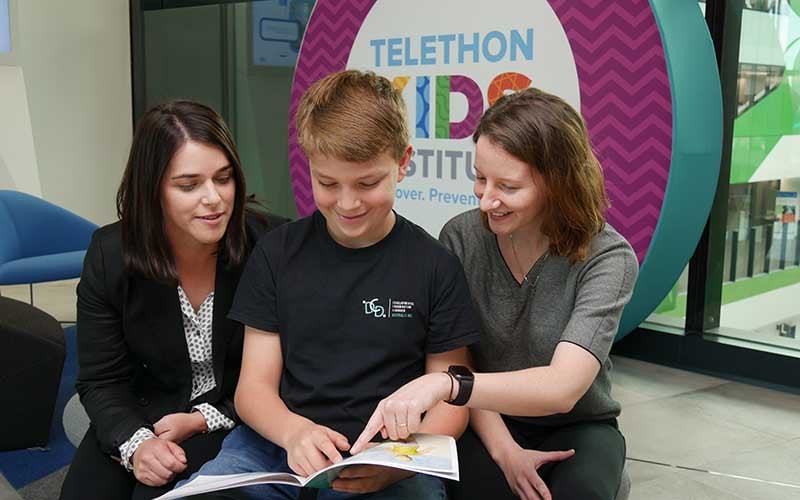
New book gives voice to kids with DCD
Two The Kids Research Institute Australia researchers behind a new book featuring the voices of Kids with DCD.