
In Australia, the number of young people presenting to the emergency department with mental health concerns, in particular, suicidal behaviour (defin…
Social media may play a role in the "contagion" mechanism thought to underpin suicide clusters. Our pilot case-control study presented a novel method…
To review and synthesise qualitative literature regarding the psychological outcomes following paediatric burn injuries, and to determine if children…
Whilst cortisol reactivity has been associated with depression and anxiety disorders, research examining cortisol reactivity with early symptoms of t…
General Practitioners (GPs) play a crucial role in the identification and support of young people at risk of suicidal behaviour and self-harm; howeve…
The climate crisis has detrimental impacts on the mental health and wellbeing of children and young people. Psychological effects include feelings of…

Outstanding Aboriginal mental health researcher Professor Juli Coffin has taken out top honours at the 2021 Western Australian Mental Health Awards i…
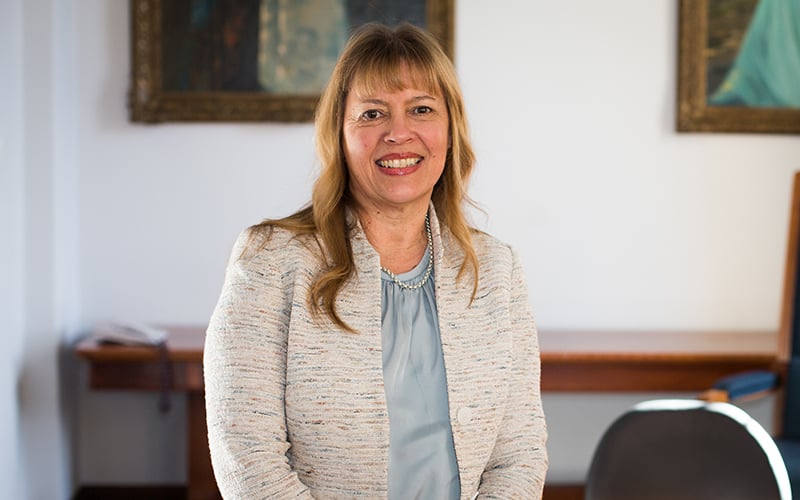
Congratulations to trailblazing mental health researcher Professor Helen Milroy, who has been announced as a finalist for the 2021 Human Rights Medal.
Increased severity of neurological soft signs (NSS) in schizophrenia have been associated with abnormal brain morphology in cerebello-thalamo-cortica…
Cognitive and motor dysfunction are hallmark features of the psychosis continuum, and have been detected during late childhood and adolescence in you…