
Search
Showing results for "grants"
Research
Reflections on How Tinnitus Impacts the Lives of Children and AdolescentsThe aim of this study was to generate a conceptual framework describing which aspects of children and adolescents' lives are affected by chronic tinnitus.
Research
Topical antibiotics for chronic suppurative otitis mediaTo assess the effects of topical antibiotics for people with chronic suppurative otitis media.
News & Events
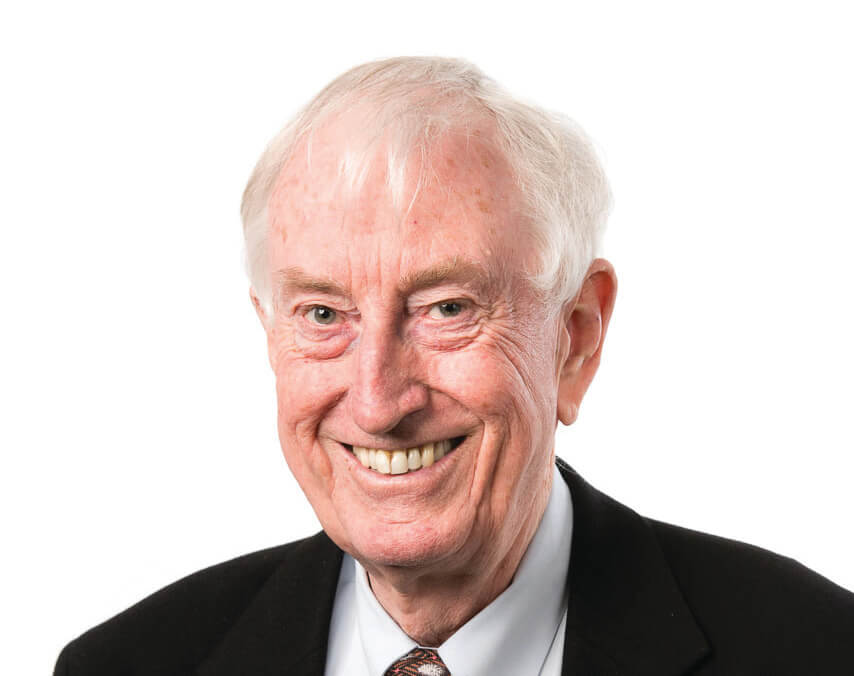
The Kids welcomes Australian Nobel Laureate for prestigious lectureThe Kids is delighted to have Australian Nobel Laureate and former Australian of the Year Professor Peter C Doherty AC deliver The Governor’s Lecture.
Research
Autistic-like traits in childhood predict later age at menarche in girlsWe investigated the relationship between autistic-like traits in early childhood and age at menarche in typically developing girls.
Research
Are autistic traits in the general population stable across development?The current investigation measured AT in 360 males and 400 males from the general population close to two decades apart, using the Pervasive Developmental...
Research
Adult psychosocial outcomes of children with specific language impairment, pragmatic language impairment and autismEvidence that some children also develop autistic symptomatology over time has raised suggestions that developmental language disorder...
Provides effective and outstanding administrative support to the Children's Diabetes Centre and supports the work of the research team.
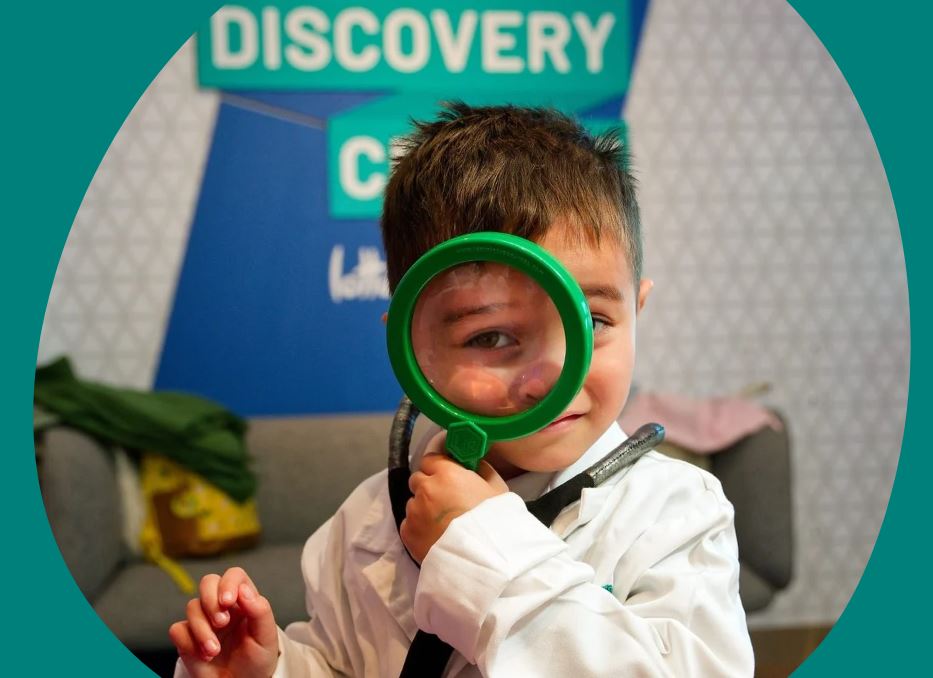
Get ready for a week of mind-blowing fun as the Discovery Centre comes alive for National Science Week with this year’s exciting theme: Decoding the Universe!
News & Events
SYMBA study boosted by WA Child Research FundORIGINS' SYMBA study awarded State Government grant to extend vital research into allergies
Research
Harmonizing the CBCL and SDQ ADHD scores by using linear equating, kernel equating, item response theory and machine learning methodsA problem that applied researchers and practitioners often face is the fact that different institutions within research consortia use different scales to evaluate the same construct which makes comparison of the results and pooling challenging.