
Search
Showing results for "Professor"
Research
PLAYCE@Home - understanding the impact of COVID-19 on children’s physical activity, health & developmentYoung children are no exception when it comes to the importance of friendships and social interaction for maintaining good health and well-being. This COVID-19 research project involves surveying parents and monitoring how their young children are coping during this time of social distancing.
Research
Talking, Hearing, Understanding, Knowing: A qualitative exploration of the experiences of justice-involved youth undergoing assessment for Fetal Alcohol Spectrum Disorder in a juvenile detention centreCarol Melissa Bower O'Donnell MBBS MSc PhD FAFPHM DLSHTM FPHA BPsych (Hons), MPsych, GradDip Ed, PhD Honorary Emeritus Fellow Honorary Research
Research
The Proactive StudyAndrew Gail Videos Whitehouse Watch and listen to Andrew Alvares PhD PhD Deputy Director (Research); Angela Wright Bennett Professor of Autism
Research
Physiological and inflammatory responses in an anthropomorphically relevant model of acute diesel exhaust particle exposure are sex and dose-dependentDiesel exhaust particles (DEP) are an important contributor to suspended particulate matter (PM) in urban areas. While epidemiological evidence exists for a...
Research
Self-citation in American Physiological Society JournalsThis study investigates the incidence of self-citation (authors citing their own work) for scholarly articles in ten journals published by the American...
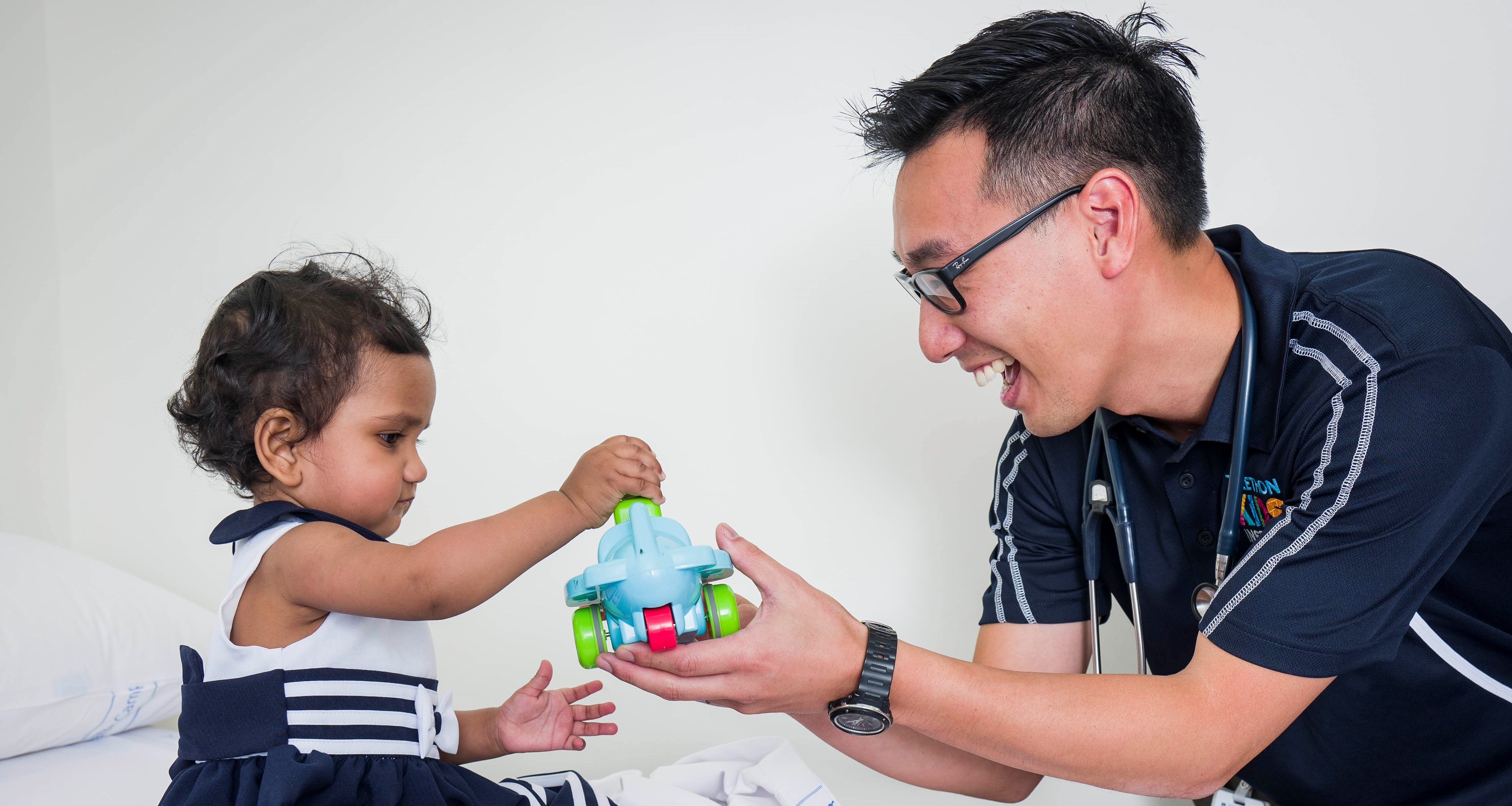
The ORIGINS Project, a collaboration between The Kids and Joondalup Health Campus, is collecting data and biological samples from 10,000 families over 10 years. Its work is also giving participating families a valuable heads up on health issues.
Research
Scalability and scaling-up strategy of a physical activity policy intervention in Australian childcare centresThere is an urgent need for scalable interventions to promote physical activity in early childhood. An early childhood education and care physical activity policy intervention with implementation support strategies (Play Active) has been proposed for scale-up in Australia.
Research
‘Feeling like you can't do anything because you don't know where to start’—Parents' Perspectives of Barriers and Facilitators to Accessing Early Detection for Children at Risk of CPEarly detection of cerebral palsy (CP) risk is possible from 12 weeks corrected gestational age (CGA) using standardised assessments; however, up to half of children at risk are not referred early, missing out on early intervention. We investigated the barriers and facilitators to accessing early intervention from the perspective of parents of children who did not receive services by 6 months CGA.
Research
Profile of the PLAY spaces & environments for children’s physical activity, sedentary behaviour and sleep (PLAYCE) cohort study, Western AustraliaChildhood is a critical period for the development of movement behaviours such as physical activity, sleep and sedentary behaviour. The PLAYCE Cohort was established to investigate how movement behaviours change over early to middle childhood, across key behaviour settings and relationships with health and development. An overview of the PLAYCE cohort, summary of key findings to date, and future research opportunities are presented.
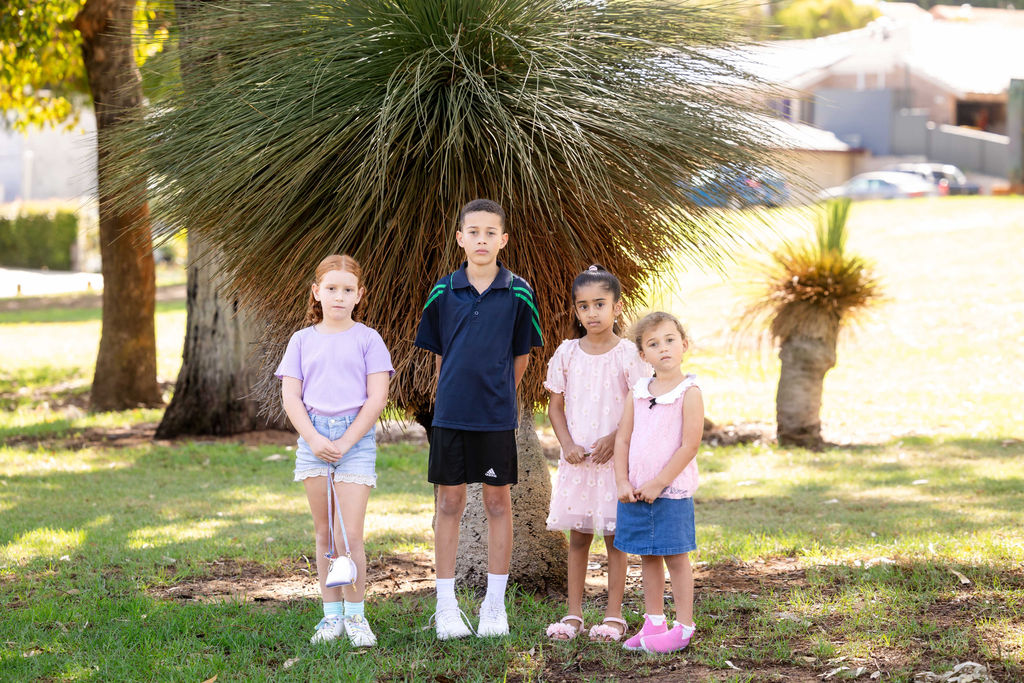
This sub-project aims to fill the gap in knowledge of the effects of climate change on child health and wellbeing in Australia, and to propose data-driven adaptation trials to counter the most serious impacts.