
Search
CDKL5 Deficiency Disorder (CDD) is a rare genetic disorder caused by a mutation in the cyclin-dependent kinase-like 5 (CDKL5) gene. It is now considered to be a developmental and epileptic encephalopathy because of the early onset of seizures in association with severe global delay. Other features include cortical visual impairment, sleep and gastro-intestinal problems. Progress in clinical understanding, especially regarding the spectrum of functional ability, seizure patterns, and other comorbidities was initially slow but accelerated in 2012 with the establishment of the International CDKL5 Database (ICDD). Our aim was to use this data source to investigate quality of life (QOL) and associated factors in this disorder.
This study aimed to examine the pattern of stillbirth and neonatal mortality rate disparities over time in Western Australia
The expression pattern of FcεRI on DC and basophils differentiates asthmatic from non-asthmatic atopic children
Dysregulated expression of IFN-dependent pathways after respiratory viral infections is a defining immunophenotypic feature of AVB-susceptible infants
Our study suggests that vagus nerve stimulation is a generally safe and effective adjunct treatment for CDKL5-associated epilepsy
In addition to its role in blocking TH2 effector activation in the late-phase allergic response, IL-10 is a known IgG1 switch factor
CDKL5 deficiency disorder presents as a challenging condition with early-onset refractory seizures, severe developmental delays, and a range of other neurological symptoms. Our study aimed to explore the benefits and side effects of anti-seizure medications in managing seizures among individuals with CDKL5 deficiency disorder, drawing on data from the International CDKL5 Disorder Database.
Results from recent clinical studies suggest potential efficacy of immune training (IT)-based approaches for protection against severe lower respiratory tract infections in infants, but underlying mechanisms are unclear.
CDKL5 deficiency disorder (CDD) results in early-onset seizures and severe developmental impairments. A CDD clinical severity assessment (CCSA) was previously developed with clinician and parent-report items to capture information on a range of domains.
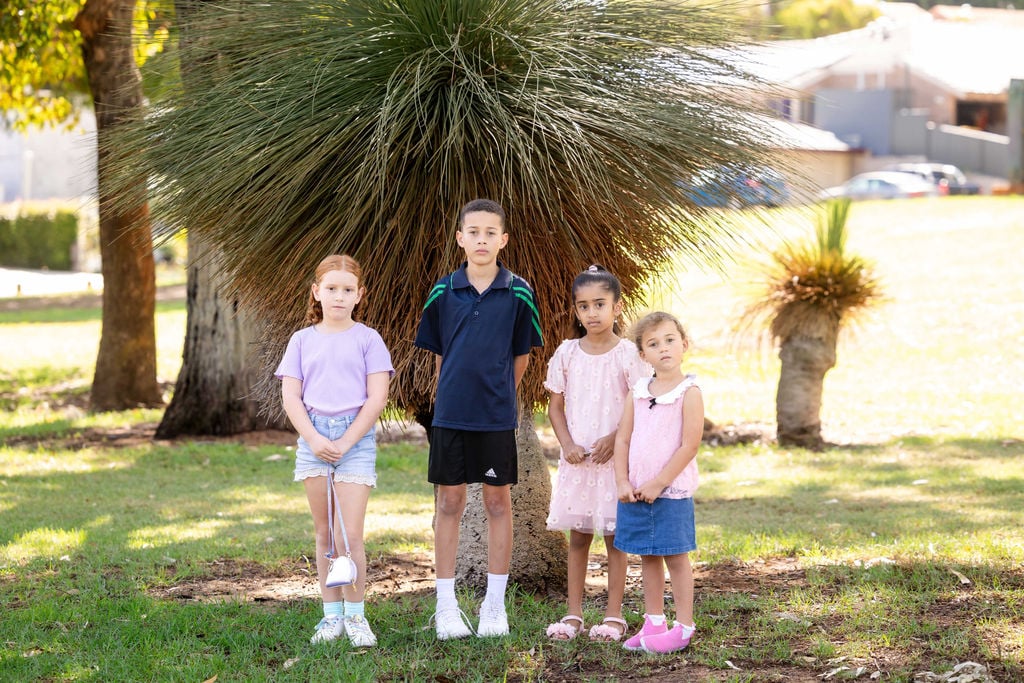
Positive mental health, flourishing, and resilience to stress are not only critical to the overall wellbeing of a person but also their physical health, affecting both chronic and acute health conditions
Ambient heat exposure during pregnancy is associated with adverse outcomes, and adverse neurodevelopmental outcomes are an emerging concern. This scoping review synthesises human and animal evidence on the association between prenatal ambient heat exposure and poor neurodevelopmental outcomes.
CDKL5 Deficiency Disorder (CDD) is a rare neurodevelopmental disorder characterised by early onset seizures combined with complex healthcare needs and developmental impairment that influence functional domains including communication. Communication is a high priority domain for families but currently used measures demonstrate floor effects.
High-grade glioma (HGG) cells reactivate neurodevelopmental programs regulated by ion channels to drive tumor progression. The activity of voltage-gated sodium channels (VGSCs) is fundamental to development, a target of blood-brain barrier (BBB)-permeable FDA-approved drugs, and aids tumor advancement in several cancers. However, the contribution of VGSC activity to HGG pathology remains unknown.
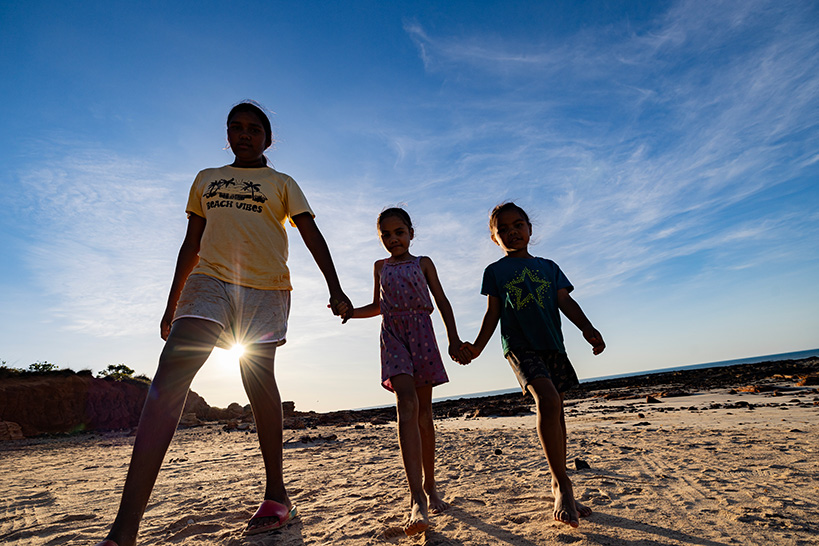
Aboriginal health is everyone's business. The needs of Aboriginal and Torres Strait Islander families and kids is integrated into all relevant areas of our work. Improving the health and wellbeing of Aboriginal and Torres Strait Islander kids and families is an overarching priority for every team at The Kids.
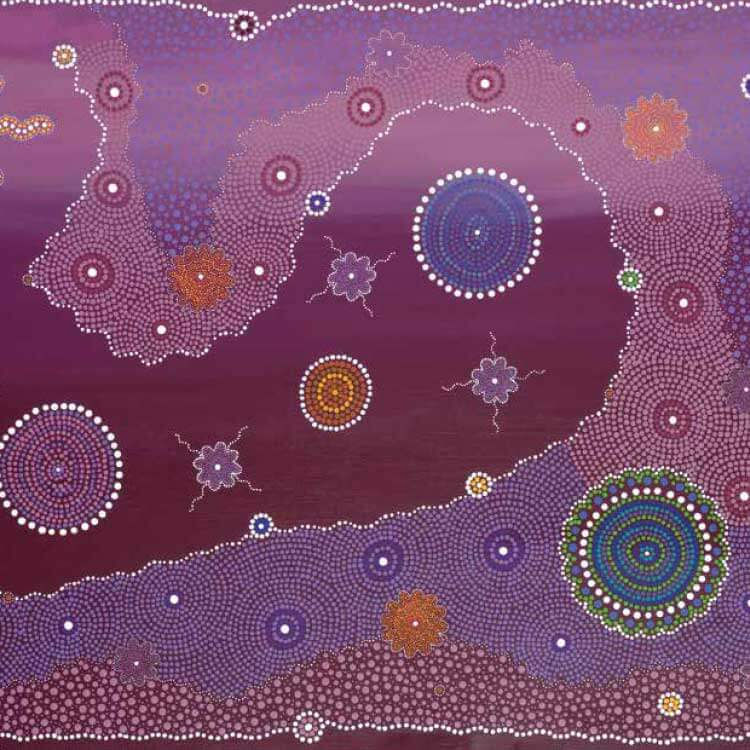
This 2nd edition is intended for staff and students and all health practitioners working in areas that support Indigenous mental health and wellbeing.
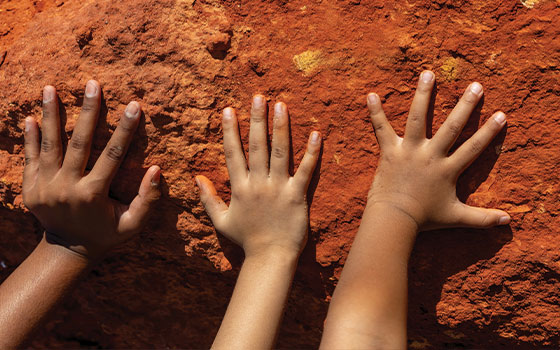
Facilitate research interest & opportunities that involve Aboriginal families & communities and build the capacity and development of Institute researchers
This resource kit for Aboriginal health workers is an exciting milestone in the Rio Tinto Aboriginal Health partnership with The Kids Research Institute Australia
As part of the discussions with Kimberley Aboriginal Medical Service (KAMS) to establish the Broome site of the WAAHKN it has been agreed to establish...
Autism researchers at The Kids have led the most comprehensive review of the evidence for autism intervention ever compiled