
Search
Showing results for "Professor"
Research
Low-moderate prenatal alcohol exposure and risk to child behavioural development: a prospective cohort studyTo examine the association of fetal alcohol exposure during pregnancy with child and adolescent behavioural development.
News & Events
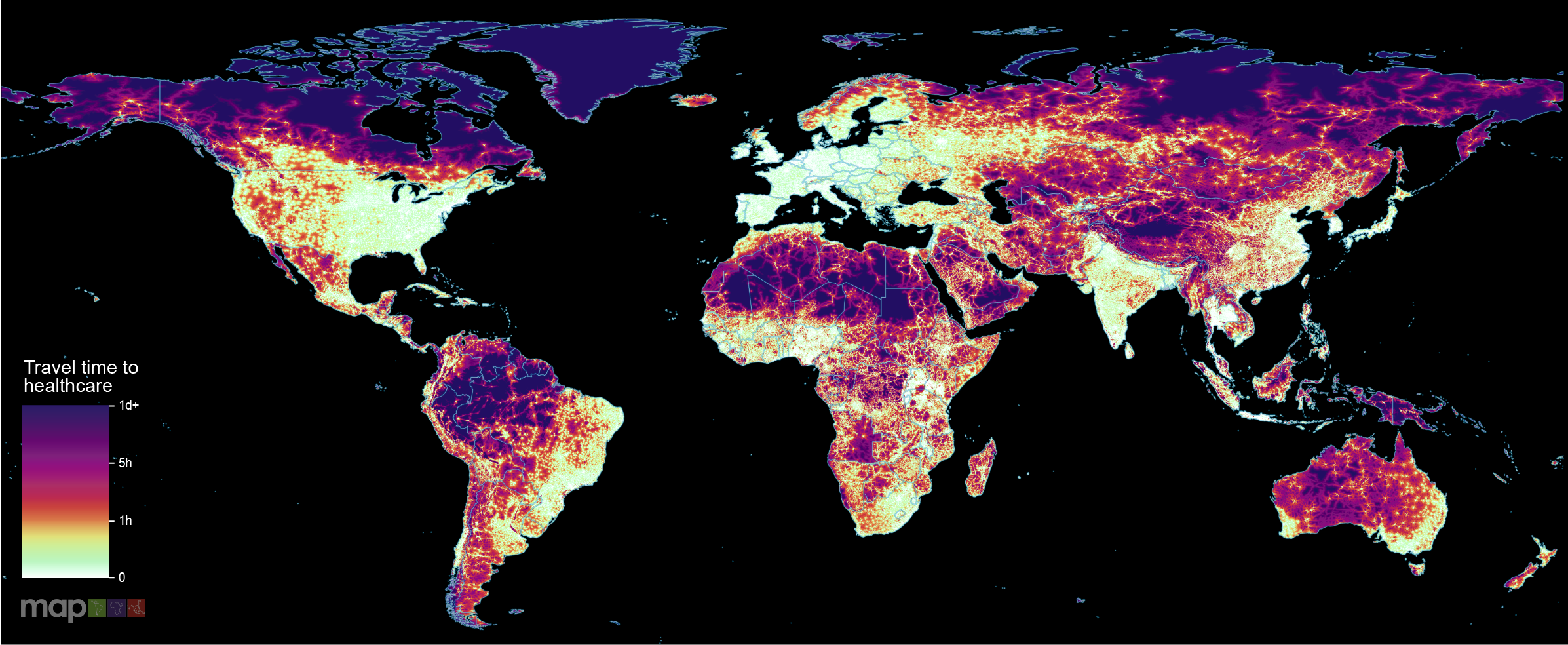
World-first maps reveal how long it takes to reach healthcare from anywhere in the globeNew research which maps the entire global population’s travel time to their nearest healthcare facility has revealed major inequalities in access to healthcare depending on whether people have access to motorised transport or not.
Research
Preclinical Evaluation of Carfilzomib for Infant KMT2A-Rearranged Acute Lymphoblastic LeukemiaInfants with KMT2A-rearranged B-cell precursor acute lymphoblastic leukemia (ALL) have poor outcomes. There is an urgent need to identify novel agents to improve survival. Proteasome inhibition has emerged as a promising therapeutic strategy for several hematological malignancies. The aim of this study was to determine the preclinical efficacy of the selective proteasome inhibitor carfilzomib, for infants with KMT2A-rearranged ALL.
Research
Preclinical Evaluation of Carfilzomib for Infant KMT2A-Rearranged Acute Lymphoblastic LeukemiaInfants with KMT2A-rearranged B-cell precursor acute lymphoblastic leukemia (ALL) have poor outcomes. There is an urgent need to identify novel agents to improve survival. Proteasome inhibition has emerged as a promising therapeutic strategy for several hematological malignancies. The aim of this study was to determine the preclinical efficacy of the selective proteasome inhibitor carfilzomib, for infants with KMT2A-rearranged ALL.
Research
Long-term outcomes of symptomatic optic pathway glioma: 32-year experience at a single Western Australian tertiary pediatric oncology centerOptic pathway gliomas (OPGs) are associated with significant risk of visual and endocrine morbidity, but data on long-term outcomes in symptomatic patients is sparse. This study reviews the clinical course, disease progression, survival outcomes and long-term sequelae in pediatric patients with symptomatic OPGs in our institution over three decades.
Research
Preclinical efficacy of azacitidine and venetoclax for infant KMT2A-rearranged acute lymphoblastic leukemia reveals a new therapeutic strategyInfants with KMT2A-rearranged B-cell acute lymphoblastic leukemia (ALL) have a dismal prognosis. Survival outcomes have remained static in recent decades despite treatment intensification and novel therapies are urgently required.
Research
Influenza vaccine effectiveness and uptake in children at risk of severe diseaseParticipation in the preschool influenza vaccination program remains low with parents unconvinced of the benefits and safety of influenza vaccine
Research
A surgically optimized intraoperative poly(I:C)-releasing hydrogel prevents cancer recurrenceRecurrences frequently occur following surgical removal of primary tumors. In many cancers, adjuvant therapies have limited efficacy. Surgery provides access to the tumor microenvironment, creating an opportunity for local therapy, in particular immunotherapy, which can induce local and systemic anti-cancer effects.
Research
Literacy and Numeracy Underachievement in Boys and Girls With ADHDChildren with ADHD are disadvantaged from an early age in key areas of learning, and this risk increased with reduction in gestational age at birth
Research
Burden of disease scenarios for 204 countries and territories, 2022-2050: a forecasting analysis for the Global Burden of Disease Study 2021Future trends in disease burden and drivers of health are of great interest to policy makers and the public at large. This information can be used for policy and long-term health investment, planning, and prioritisation. We have expanded and improved upon previous forecasts produced as part of the Global Burden of Diseases, Injuries, and Risk Factors Study (GBD) and provide a reference forecast (the most likely future), and alternative scenarios assessing disease burden trajectories if selected sets of risk factors were eliminated from current levels by 2050.