
Search
Showing results for "Professor"
Research
Sub-erythemal ultraviolet radiation reduces metabolic dysfunction in already overweight miceExposure to sunlight may limit cardiometabolic risk.
Research
Dietary Vitamin D Increases Percentages and Function of Regulatory T Cells in the Skin-Draining Lymph Nodes and Suppresses Dermal InflammationDietary vitamin D3 increased the suppressive activity of regulatory T cells in the skin-draining lymph nodes, which are poised to suppress dermal inflammation
Research
The Role of Grandparents in Facilitating Children’s Physical ActivityResearch suggests there is considerable opportunity to improve children's movement behaviors while they are being cared for by their grandparents. An understanding of the extent to which grandparent practices facilitate children's engagement in physical activity is critical to the development of health interventions targeting grandparent caregivers.
Research
Otitis media guidelines for Australian Aboriginal and Torres Strait Islander children: summary of recommendationsThe 2001 Recommendations for clinical care guidelines on the management of otitis media in Aboriginal and Torres Islander populations were revised in 2010. This 2020 update by the Centre of Research Excellence in Ear and Hearing Health of Aboriginal and Torres Strait Islander Children used for the first time the Grading of Recommendations, Assessment, Development and Evaluation (GRADE) approach.
Research
Metabolic dysfunction induced by a high-fat diet modulates hematopoietic stem and myeloid progenitor cells in brown adipose tissue of miceBrown adipose tissue (BAT) may be an important metabolic regulator of whole-body glucose. While important roles have been ascribed to macrophages in regulating metabolic functions in BAT, little is known of the roles of other immune cells subsets, particularly dendritic cells (DCs). Eating a high-fat diet may compromise the development of hematopoietic stem and progenitor cells (HSPCs)-which give rise to DCs-in bone marrow, with less known of its effects in BAT. We have previously demonstrated that ongoing exposure to low-dose ultraviolet radiation (UVR) significantly reduced the 'whitening' effect of eating a high-fat diet upon interscapular (i) BAT of mice.
Research
FcgammaRIIb Expression Is Decreased on Naive and Marginal Zone-Like B Cells From Females With Multiple SclerosisB cells are critical to the development of multiple sclerosis (MS), but the mechanisms by which they contribute to the disease are poorly defined. We hypothesised that the expression of CD32b (FcγRIIb), a receptor for the Fc region of IgG with inhibitory activities in B cells, is lower on B cell subsets from people with clinically isolated syndrome (CIS) or MS. CD32b expression was highest on post-naive IgM+ B cell subsets in healthy controls. For females with MS or CIS, significantly lower CD32b expression was identified on IgM+ B cell subsets, including naive and IgMhi MZ-like B cells, when compared with control females. Lower CD32b expression on these B cell subsets was associated with detectable anti-Epstein Barr Virus viral capsid antigen IgM antibodies, and higher serum levels of B cell activating factor. To investigate the effects of lower CD32b expression, B cells were polyclonally activated in the presence of IgG immune complexes, with or without a CD32b blocking antibody, and the expression of TNF and IL-10 in B cell subsets was assessed.
Research
Sex-Specific Environmental Impacts on Initiation and Progression of Multiple SclerosisThe immunological mechanisms that contribute to multiple sclerosis (MS) differ between males and females. Females are 2-3 times more likely to develop MS compared to males, however the reason for this discrepancy is unknown. Once MS is established, there is a more inflammatory yet milder form of disease in females whereas males generally suffer from more severe disease and faster progression, neural degradation, and disability.
News & Events
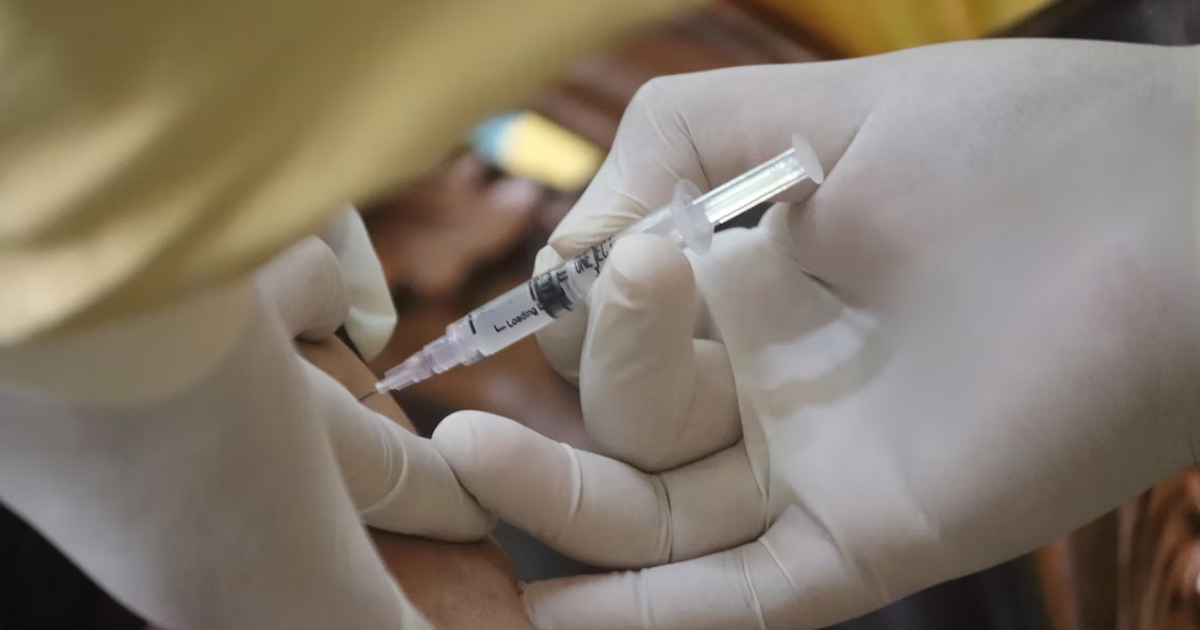
Study suggests flu vaccine may take edge off RSV casesA The Kids Research Institute Australia study has suggested the seasonal flu vaccine for children could also protect them from respiratory syncytial virus (RSV), with the dual benefit easing pressure on hospitals.

News & Events
Worrying trends reinforce need for kids health researchChild health experts are concerned by a significant increase in the number of Australian children requiring learning support at school.

News & Events
The Kids Research Institute Australia welcomes tough new measures to save kids from vapingThe Kids Research Institute Australia strongly supports the Federal Government’s announcement today to introduce a suite of reforms aimed at banning non-prescription vaping products in Australia.