
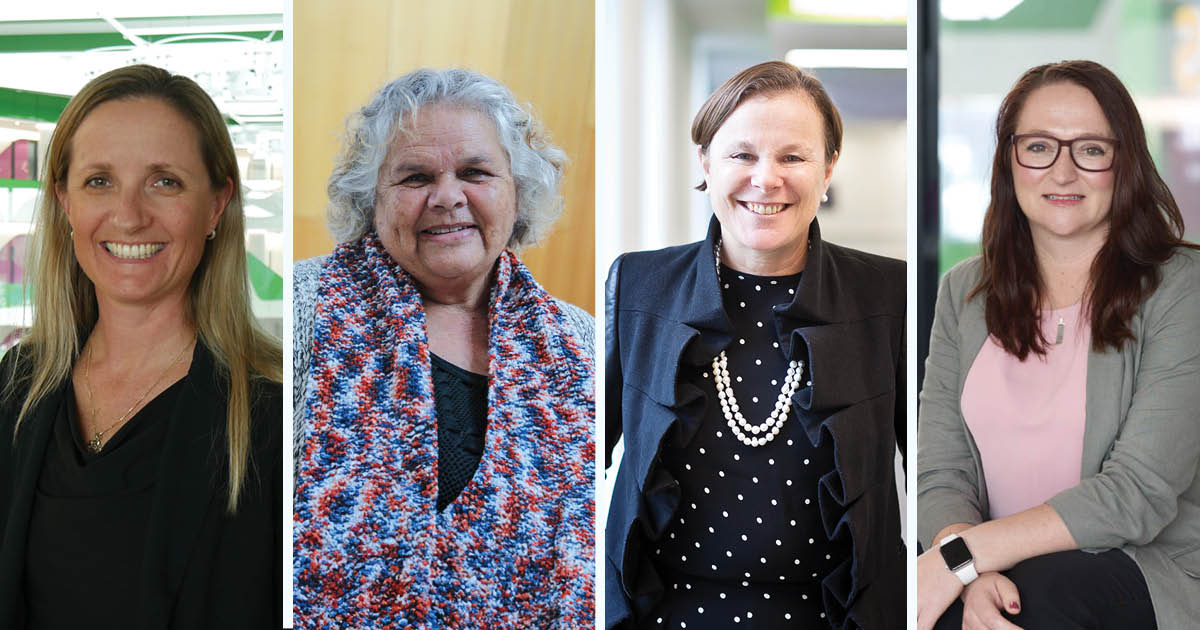
Four outstanding members of The Kids Research Institute Australia family – three researchers and an Aboriginal Elder co-researcher – have been named…
Globally, Indigenous people have a greater incidence and earlier onset of diabetes than the general population and have higher documented rates of em…
The Indigenous peoples of Australia have a rich linguistic and cultural history. How this relates to genetic diversity remains largely unknown becaus…
For millennia, Aboriginal people's ways of knowing, doing and being were shared through art, song, and dance. Colonisation silenced these ways, affec…
Indigenous Australians harbour rich and unique genomic diversity. However, Aboriginal and Torres Strait Islander ancestries are historically under-re…
Type 2 diabetes mellitus (T2DM) is highly prevalent within the Indigenous Australian community. Novel glucose monitoring technology offers an accurat…
Streptoccocal A (Strep A, GAS) infections in Australia are responsible for significant morbidity and mortality through both invasive (iGAS) and post-…
Discharge against medical advice (DAMA) is a priority issue for the health system. Little is known about the factors associated with DAMA for Aborigi…
This paper argues for the enhancement of scoping review methods to incorporate Indigenous ways of knowing, being, and doing for more effective unders…
In remote communities of northern Australia, First Nations children with hearing loss are disproportionately at risk of poor school readiness and per…