Search
Research
Toward better characterization of restricted and unusual interests in youth with autismDespite being highly prevalent among people with autism, restricted and unusual interests remain under-researched and poorly understood. This article confirms that restricted interests are very frequent and varied among children and adolescents with autism. It also further extends current knowledge in this area by characterizing the relationship between the presence, number, and type of restricted interests with chronological age, sex, cognitive functioning, and social and communication symptoms.
Research
Genome-wide analyses of individual differences in quantitatively assessed reading- and language-related skills in up to 34,000 peopleThe use of spoken and written language is a fundamental human capacity. Individual differences in reading- and language-related skills are influenced by genetic variation, with twin-based heritability estimates of 30 to 80% depending on the trait. The genetic architecture is complex, heterogeneous, and multifactorial, but investigations of contributions of single-nucleotide polymorphisms (SNPs) were thus far underpowered.
Research
A Parent-Mediated Intervention for Newborns at Familial Likelihood of Autism: Initial Feasibility Study in the General PopulationDevelopmental theory and previous studies support the potential value of prodromal interventions for infants at elevated likelihood of developing autism. Past research has supported the efficacy of parent-mediated prodromal therapies with infants from as early as 7 months. We outline the rationale for implementing interventions following this model from even earlier in development and report on the feasibility of a novel intervention developed following this model of parent-mediated infant interventions.
Research
An Evaluation of the Overall Utility of Measures of Functioning Suitable for School-Aged Children on the Autism Spectrum: A Scoping ReviewA diagnosis of an autism spectrum condition (autism) provides limited information regarding an individual’s level of functioning, information key in determining support and funding needs.
Research
Non-pharmacological interventions for autistic children: An umbrella reviewThe breadth of available non-pharmacological interventions for autistic children, with varying evidence for efficacy summarised in multiple systematic reviews, creates challenges for parents, practitioners, and policymakers in navigating the research evidence. In this article, we report the findings of an umbrella review of 58 systematic reviews of non-pharmacological interventions for autistic children (aged 0–12 years).
Research
Effect of Preemptive Intervention on Developmental Outcomes Among Infants Showing Early Signs of Autism: A Randomized Clinical Trial of Outcomes to DiagnosisIntervention for individuals with autism spectrum disorder (ASD) typically commences after diagnosis. No trial of an intervention administered to infants before diagnosis has shown an effect on diagnostic outcomes to date.
Research
Occurrence of psychosis and bipolar disorder in adults with autism: A systematic review and meta-analysisEvidence suggests that individuals with autism spectrum disorder have increased rates of co-occurring psychosis and/or bipolar disorder. Considering the peak age of onset for psychosis and bipolar disorder occurs in adulthood, we investigated the co-occurrence of these disorders in adults with autism.
News & Events
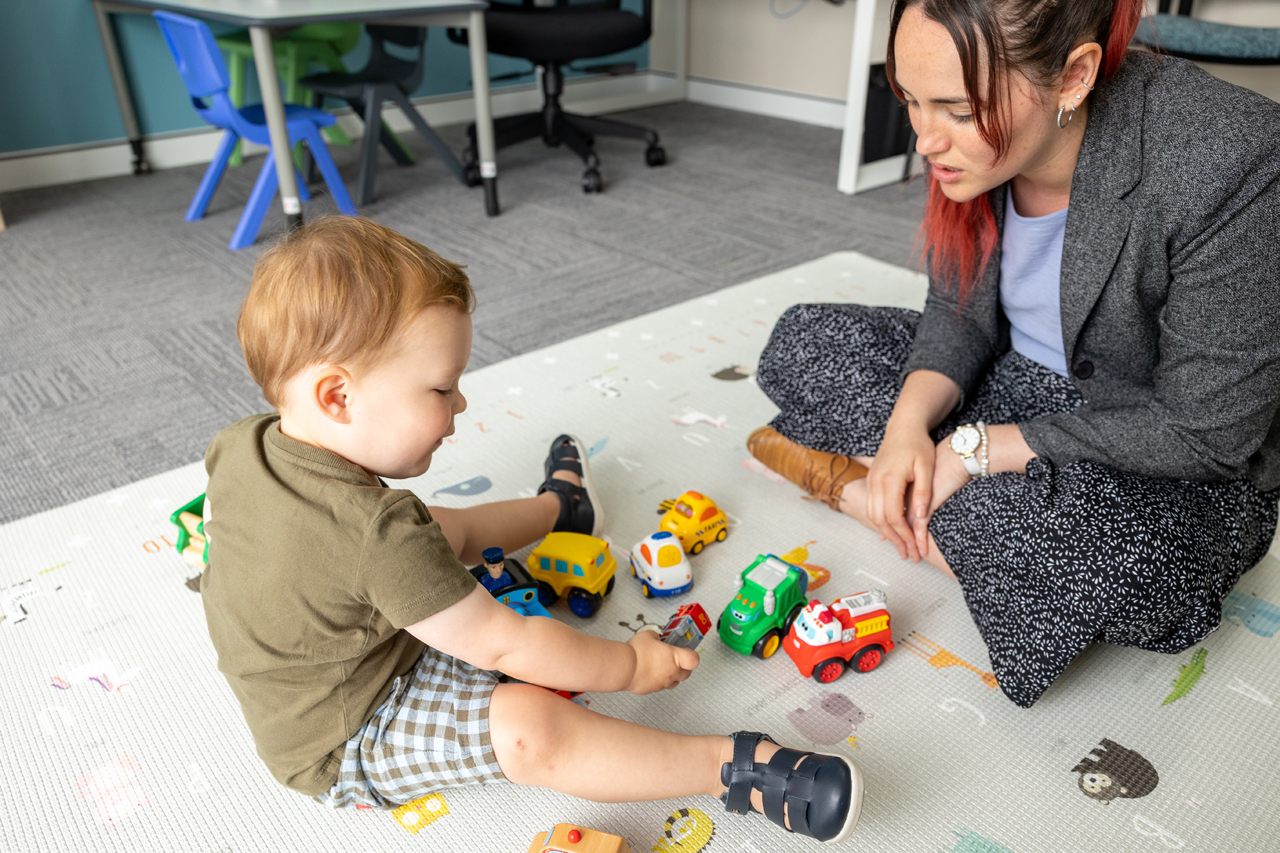
Therapy for babies with signs of autism cuts long-term disability costsNew research evaluating the potential cost savings of a therapy for babies displaying early autism signs has predicted a three dollar return to Australia’s National Disability Insurance Scheme (NDIS) for every dollar invested in therapy.
Australia’s first national guideline for supporting the learning, participation and wellbeing of autistic children and their families.
Research
Commentary: A spectrum for all? A response to Green et al. (2023), neurodiversity, autism and health careThe broadening of the clinical definition of autism over time-the so-called, autism spectrum-has run in parallel with the growth of a neurodiversity movement that has reframed the concept of autism entirely. Without a coherent and evidence-based framework through which both of these advances can be situated, the field is at risk of losing definition altogether.