
Search
Showing results for "clinikids"
This study investigated the relation between friendship, loneliness and depressive symptoms in adolescents with Asperger's Syndrome (AS).
Some individuals with autism spectrum disorders (ASD) experience linguistic difficulties similar to those found in individuals with specific language...
Three experiments investigated the role of inner speech deficit in cognitive performances of children with autism.
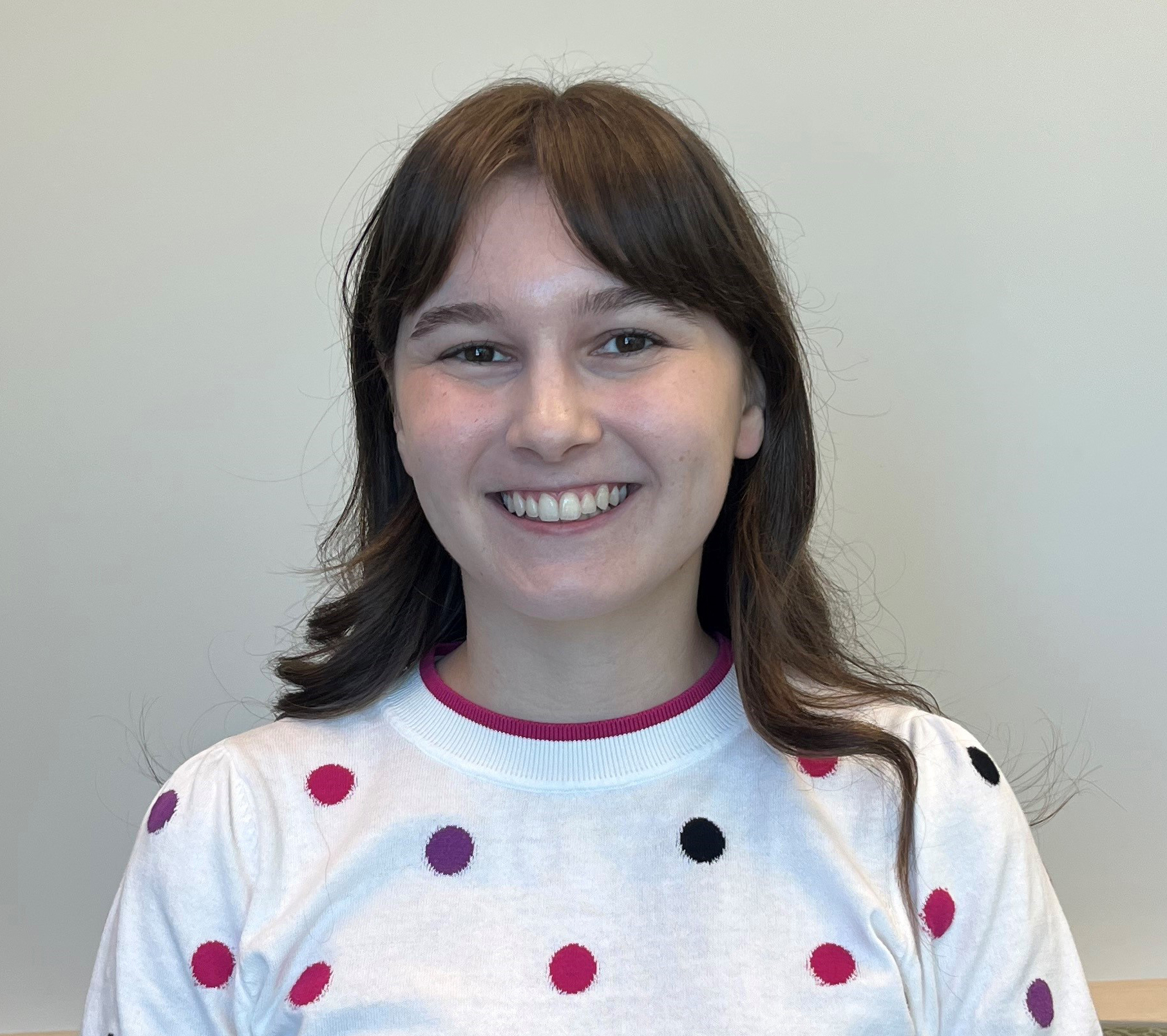
Sophie Naumovski is a Registrar Clinical Psychologist at CliniKids.
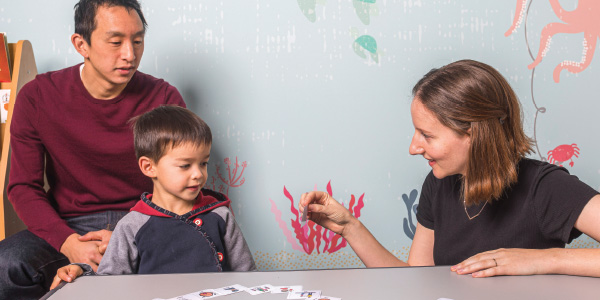
A long-held belief linking gut bacteria to autism has been debunked by an Australian research team that included researchers from CliniKids at The Kids Research Institute Australia.

Maretta Mann, Research Development Manager

Head of Autism Research; Senior Principal Research Fellow
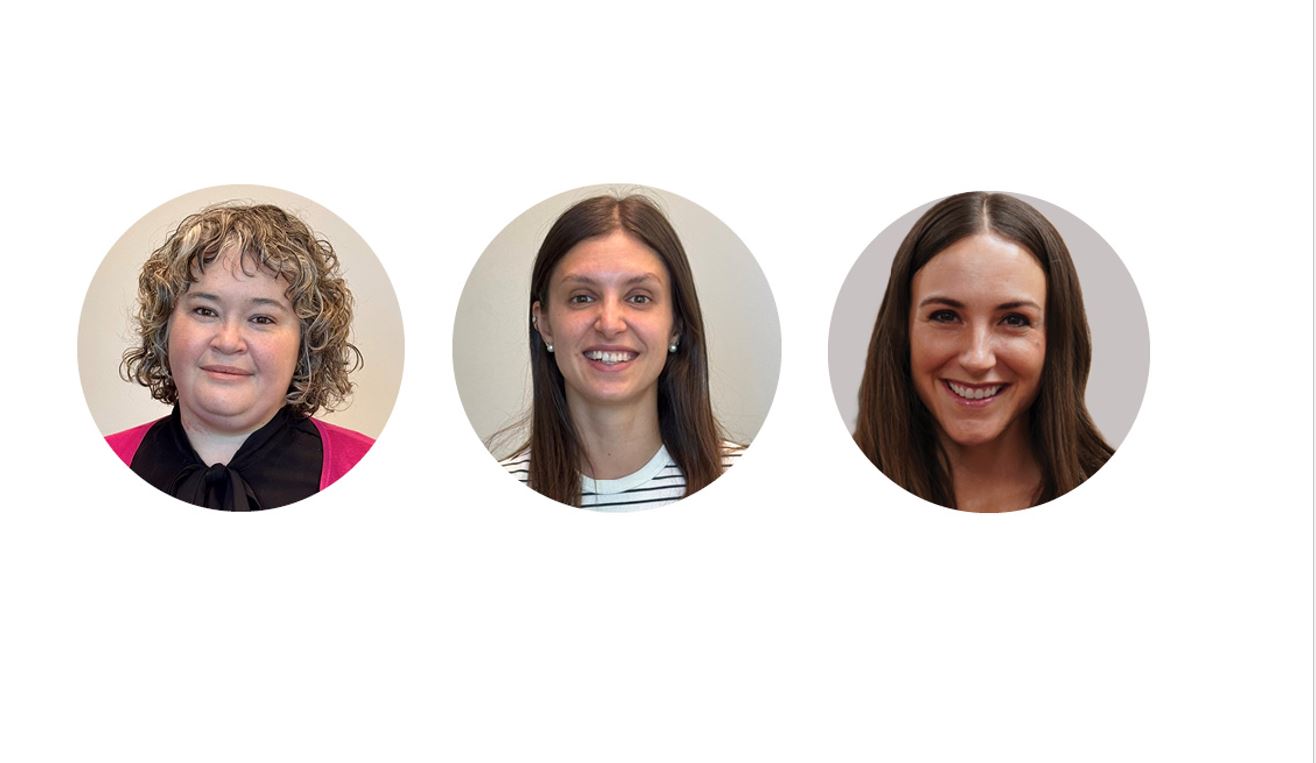
There’s a few new faces at in our clinical team.
The broad autism phenotype commonly refers to sub-clinical levels of autistic-like behaviour and cognition presented in biological relatives of autistic people. In a recent study, we reported findings suggesting that the broad autism phenotype may also be expressed in facial morphology, specifically increased facial masculinity.
Greater facial asymmetry has been consistently found in children with autism spectrum disorder (ASD) relative to children without ASD. There is substantial evidence that both facial structure and the recurrence of ASD diagnosis are highly heritable within a nuclear family. Furthermore, sub-clinical levels of autistic-like behavioural characteristics have also been reported in first-degree relatives of individuals with ASD, commonly known as the 'broad autism phenotype'.